
Jan 18, 2026
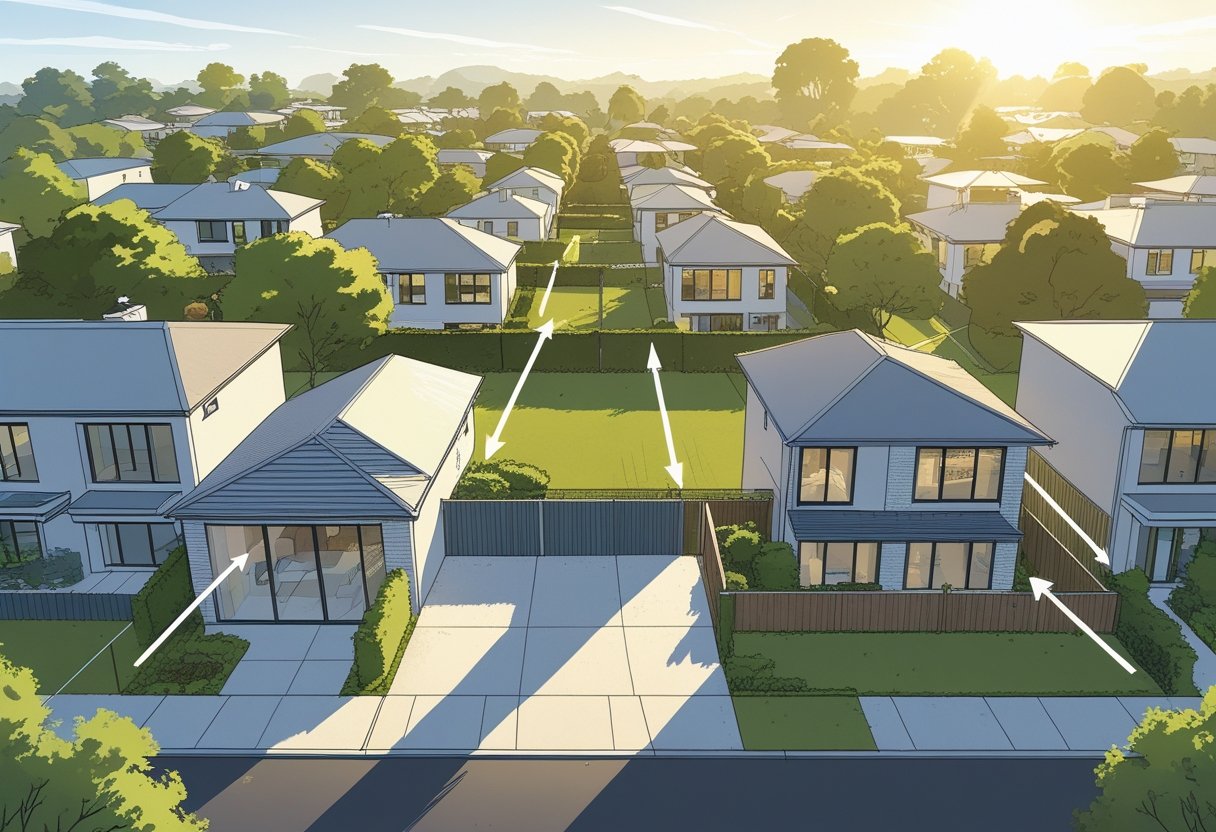
When you’re planning a home extension or new build, it’s crucial to know how your local council will judge the impact on your neighbours. Councils have their own methods and guidelines for measuring how a proposed development might affect nearby homes—especially when it comes to natural light, the view from windows, and privacy.
Councils mainly use daylight and sunlight studies, the 45-degree rule, and privacy distance standards to assess neighbour impact. These tools help planning officers decide if your project will harm your neighbours’ quality of life in a way they can’t accept.
The whole process relies on guidelines, not hard-and-fast laws. Councils have some flexibility, depending on your area and the specifics of your application.
Your chances of approval often hinge on whether you can show you’ve designed with these factors in mind. Planning officers check technical details, local context, and how your proposal stacks up against similar builds nearby.
If you know these assessment methods before applying, you can design something that ticks the planning boxes and still gets you what you want.
Key Takeaways
Councils rely on daylight and sunlight tests, the 45-degree rule, and privacy distance standards.
These are guidelines, not strict laws, so there’s room for flexibility based on the site and local area.
Knowing how your council measures neighbour impact helps you shape proposals that stand a better shot at planning approval.
Fundamentals of Council Assessment
Councils use specific rules and guidelines when they review how a new development might affect neighbours. Local planning authorities base their decisions on established policies for daylight, sunlight, privacy, and outlook.
Purpose of Assessing Neighbour Impact
Your council looks at neighbour impact to protect residential amenity. In plain English, they want to make sure new buildings or extensions don’t ruin your comfort at home.
They’ll check if the new development blocks natural light to your windows. They’ll also see if it feels overbearing or creates privacy issues by overlooking your home or garden.
Councils have to balance different interests. They can’t promise you’ll keep everything just as it is, but they do want to keep changes within reason.
Role of Local Planning Authorities
Your local planning authority reviews all planning applications. They have planning officers who specialise in assessing these applications.
Planning officers compare your neighbour’s proposal against local and national guidelines. Sometimes, they’ll visit the site to get a better sense of the impact.
If they spot concerns about neighbour amenity, they might ask for more details, like a daylight and sunlight assessment or other technical studies.
After their assessment, planning officers make recommendations. They can approve, refuse, or ask for tweaks to the design. Their decisions have to follow planning policies, not just personal taste.
Relevant Planning Policies
Planning policies shape how your council decides. National policy says developments must consider amenity impacts, but your local authority will also have its own rules.
Many councils set out things like:
Minimum distances between buildings
Daylight and sunlight standards for rooms people actually use
Privacy rules for windows and gardens
Outlook rules to stop new buildings from feeling oppressive
Some councils refer to the BRE Guide (Site Layout Planning for Daylight and Sunlight) for technical tests. Not every council adopts these guidelines word-for-word, though.
You’ll find these policies in your council’s Local Plan or supplementary planning documents. They’re usually up on the council’s website.
Daylight and Sunlight Assessment Methods
Councils use technical methods to measure how much light neighbouring properties might lose from a new development. These assessments rely on calculation methods and targets set by the Building Research Establishment and British Standards.
BRE Guide and National Standards Overview
The Building Research Establishment publishes BRE 209, known as "Site Layout Planning for Daylight and Sunlight." Most UK and Irish councils use this as their main reference. It works alongside BS EN 17037, the European standard for daylight in buildings.
Local planning authorities use these documents to check planning applications. The methods provide numbers and calculation steps to help spot if a development causes too much harm to neighbours.
The standards draw a line between assessing existing properties and new ones. For neighbours affected by development, the methods haven’t changed much. For new homes, the 2022 update to BRE 209 brought in some bigger changes to match BS EN 17037.
Vertical Sky Component (VSC) Analysis
VSC measures how much daylight reaches the outside face of a window. It checks the percentage of sky you can see from the centre of the window, factoring in buildings that block the view.
The BRE guide says a window with at least 27% VSC will feel well-lit. If a neighbour’s development drops the VSC below 27%, and that’s more than a 20% reduction from before, you’ll probably notice the loss.
Councils use the “0.8 times former value” rule as a first check. If a window had 30% VSC and drops to 24% (a 20% cut), that’s usually a red flag. Still, the BRE guide calls these flexible standards, not hard limits.
Annual Probable Sunlight Hours (APSH) and Daylight Distribution
APSH looks at direct sunlight to windows, which matters most for living rooms and conservatories. The calculation checks both yearly and winter sunlight hours to see if rooms get enough direct sun.
The BRE guide suggests main living room windows should get at least 25% of annual probable sunlight hours, including at least 5% in winter (21 September to 21 March). If the numbers fall below these, and below 0.8 times their former values, you might notice the loss.
Daylight distribution, or the no-sky line method, maps how far daylight gets into a room. It shows which parts of a room can see the sky.
If the area with sky view drops to less than 0.8 times what it was, daylight distribution might feel more restricted. This method gives a fuller picture than VSC alone since it considers room depth and layout.
Climate-Based Daylight Modelling
Climate-based daylight modelling uses local weather data to simulate light conditions all year. It calculates spatial daylight autonomy, or how much of a space gets enough daylight for at least half of daylight hours.
This method needs specialist software to run calculations across a grid of points in rooms. Unlike the old average daylight factor (ADF) for new homes, spatial daylight autonomy considers window direction and local climate.
Some use median daylight factor targets under a standard cloudy sky. These targets change by latitude but not direction. Both ways work for new homes, but councils don’t usually use them for checking impacts on existing neighbours.
Assessing Impact on Neighbouring Properties
Councils judge development proposals by looking at technical measures of daylight, sunlight, and overshadowing. Standardised methods show if a new building will affect neighbours’ light levels and outdoor spaces too much.
Loss of Daylight and Sunlight
Loss of daylight happens when a new building cuts down the sky’s natural light getting into neighbouring windows. Loss of sunlight is about direct sun, not just daylight.
The BRE guidelines are the usual way to measure these impacts. Assessors check if habitable room windows in neighbouring homes will still get enough daylight after your build.
A window usually passes the test if it keeps at least 0.2% of the sky visible from the centre, measured as the Vertical Sky Component.
For sunlight, assessors focus on windows facing within 90 degrees of due south. These should get at least 25% of total annual probable sunlight hours, and 5% in winter. If your build drops these below the guidelines, councils will look at whether the site context makes it acceptable.
Overshadowing and Shadow Studies
Overshadowing is when your building casts shadows over neighbours’ homes or gardens. Councils might ask for shadow studies to see how this plays out through the year.
Shadow studies show diagrams of shadow patterns at key dates—like the spring and autumn equinoxes (21 March and 21 September) and the summer solstice (21 June). You’ll usually see hourly intervals from 9am to 5pm.
Assessors focus on gardens and outdoor spaces. The BRE guidelines say at least half of a garden or amenity area should get two hours of sunlight on 21 March. If your build stops this, it could be a problem, but councils look at site layout and context too.
Effect on Habitable Room Windows
Habitable room windows mean living rooms, bedrooms, and kitchens—places where people actually spend time. Councils watch these windows more closely than hallways or bathrooms.
The assessment checks how much daylight each habitable room window gets before and after your build. If your project cuts the Vertical Sky Component by more than 20%, and the new level drops below 27%, that’s a likely concern.
Assessors also look at the No Sky Line in rooms. If your build shrinks the area that can see the sky by more than 20%, it may harm daylight distribution in that room.
Daylight and Sunlight to Outdoor Spaces
Your development also needs to consider sunlight for neighbours’ gardens, patios, and shared outdoor spaces. These spots matter for residents’ quality of life and need enough sun for normal use.
The standard check is whether at least 50% of the neighbouring outdoor space gets two hours of direct sunlight on 21 March. That’s about the time people start using gardens more.
The assessment looks at your building’s mass and position compared to neighbouring outdoor areas. Even if you meet separation distances, you might still cause overshadowing if your building is much taller or blocks sunlight from an important angle.
Outlook and Overbearing Impact Evaluation
Councils check if a development feels overbearing by looking at the size and position of your structure compared to neighbours’ views and sense of space. They consider building orientation, massing, and how your project relates to existing windows and the site layout.
Application of the 45-Degree Rule
The 45-degree rule is a planning guideline for measuring overbearing impact on neighbours. Councils draw a 45-degree line from the centre of a neighbour’s habitable room window. Your proposed development shouldn’t go past this line.
The rule applies both horizontally and vertically. The horizontal test protects your neighbour’s view, while the vertical test protects light to ground-floor windows.
Window orientation matters a lot here. This guideline isn’t law, but planning officers use it flexibly based on the situation. Sometimes a small breach is fine in a dense city, but the same thing in a quiet suburb might get rejected.
Assessing Overbearing or Overdominance
Overbearing impact is about how your development feels to neighbours—does it dominate or loom over them? Councils look at whether your proposed structure creates an oppressive effect, even if it doesn't block all the light.
They examine the relationship between your building's height, bulk, and how close it sits to your neighbour's boundary. For example, a two-storey extension right next to a neighbour's living room window will feel much more overbearing than the same extension set further back.
Site layout matters a lot here. Planning officers also look at the existing character of the area.
If buildings already sit close together, your proposal might get more leeway than if homes are spaced far apart.
Massing and Window Placement Considerations
Massing refers to the size, shape, and bulk of your proposed development. Councils check if your building's mass fits in with neighbouring properties or if it looks out of place.
Window placement really matters for privacy and how the building's bulk is perceived. If your windows face neighbouring habitable rooms, you could create overlooking issues.
The size and position of your windows also affect how the massing feels from next door. You can reduce overbearing impact with some thoughtful design choices.
Maybe set back upper floors, lower walls near boundaries, or use sloped roofs instead of flat ones. Planning officers judge these tweaks based on your specific site and where neighbours' homes sit.
Privacy and Amenity Considerations
Privacy concerns come up when new development allows direct views into existing homes or private gardens. Councils look at window positions, how far apart buildings are, and which rooms are affected.
Evaluating Overlooking and Loss of Privacy
Planning officers check if windows in a proposed development will let people look straight into your habitable rooms or garden. Habitable rooms include bedrooms, living rooms, and dining rooms—not bathrooms or hallways.
They consider the angle and direction of windows. Side-facing windows usually cause more privacy worries than front or rear ones.
Ground floor windows tend to be less of a problem than those on upper floors, which can look down into neighbouring properties. If you're objecting, it's helpful to point out exactly which windows will overlook your property.
Mention which rooms are affected and how this changes things from before. Officers pay more attention to issues with bedroom and living room windows than with non-habitable spaces.
The existing site layout counts, too. If your property already gets overlooked, councils might be more lenient.
But if a new development would significantly increase overlooking, they can still refuse it.
Separation Distances and Mitigating Measures
Most councils have minimum separation distances between windows to protect privacy. A common standard is 21 metres between directly facing habitable room windows.
Some councils use 18 metres for ground floor windows or where gardens are involved. These numbers are guidelines, not hard rules.
Officers look at ground levels, window sizes, and whether one property sits higher than another. They also consider fences, hedges, and the overall layout.
Developers can suggest measures to help with privacy—like obscure glass for side windows, raising window cills, or adding privacy screens. If you think these would help, you can mention them in your objection.
Sometimes fixed privacy screens or angled windows do the trick. Planning officers have to make sure these fixes are actually enforceable through planning conditions.
Legal Framework and Rights to Light
Rights to light are a legal protection that sits separately from planning considerations. Both can affect development, but they're not the same thing.
Distinction Between Planning and Legal Rights
Planning authorities don't look at legal rights to light when reviewing applications. Your right to light is a private legal matter, separate from planning.
So, the council might approve a development even if it impacts your legal right of light. Planning decisions focus on things like daylight, sunlight, overbearing effects, and neighbourhood character.
Those are policy issues, not individual legal rights. If you want to pursue a right to light claim, you have to do it through legal channels—not through planning objections.
Councils sometimes ask for a Daylight and Sunlight Assessment to check planning impacts. This uses different standards than legal rights to light assessments.
You can't stop a planning application just because it affects your legal right of light.
Legal Right of Light Protections
A legal right of light protects your access to natural light through certain windows. You usually get this right after 20 years of uninterrupted use, provided nobody objected or interrupted it for more than a year.
This right doesn't guarantee direct sunlight—just a basic level of natural illumination, so your room isn't unusable. It only applies to existing windows, not ones you might add later.
If someone infringes your right of light, you can take legal action. A rights of light specialist measures your room and checks how the development would affect it.
You need to raise concerns before construction starts to protect your position.
BRE Guidance Versus Legal Entitlements
The Building Research Establishment (BRE) guidance sets technical standards for planning, but these differ from legal tests for rights to light. The BRE's 25° rule and Vertical Sky Component tests help councils decide on planning applications.
Legal rights to light use different measurements and thresholds. It's possible for a development to pass BRE tests but still infringe your legal rights—or vice versa.
The BRE guide says a Vertical Sky Component of 27% or more gives good light. If your window drops below 27% and loses 20% or more of its previous value, that's a noticeable reduction in planning terms.
Legal assessments need separate technical analysis by rights of light specialists.
Frequently Asked Questions
Councils rely on specific technical standards and measurement methods to judge how new developments might affect neighbours. They focus on things like daylight, sunlight, privacy, and outlook using established guidelines and tests.
What are the primary criteria used by councils to evaluate daylight impact on neighbouring properties?
Councils use the Vertical Sky Component (VSC) and No-Sky Line (NSL) tests to assess daylight impact. The VSC measures how much sky is visible from a window.
If your neighbour's window gets at least 27% VSC, that's considered acceptable. The NSL test looks at how daylight spreads within a room.
It measures the part of a room that gets direct skylight. Councils usually want neighbouring properties to keep at least 80% of their existing daylight after construction.
Some councils also consider the Average Daylight Factor for existing homes, though newer guidance from 2023 is moving away from this for new dwellings.
How do planning authorities determine the acceptable level of privacy for residents when assessing new developments?
Planning authorities use distance-based standards to protect privacy. Most require at least 21 metres between facing windows of habitable rooms.
This applies to bedrooms, living rooms, and kitchens. The distance drops to 10-12 metres between a habitable room window and a non-habitable room or blank wall.
Councils also look at the height and angle of proposed windows. If new windows overlook your private garden, they usually want at least 10 metres from your boundary.
Some councils ask developers to use obscure glass, angled windows, or screening for windows that don't meet the standard distances. Your local authority will have specific privacy standards in their planning documents.
What measures are considered adequate for preserving residents' outlooks in urban planning assessments?
Councils protect your outlook by looking at the bulk and closeness of new buildings. The 25-degree test measures the vertical angle from your window to the top of the new building.
If the structure goes over 25 degrees from a two-metre height at your window, it might be considered overbearing. Some authorities use a 45-degree guideline, measuring both vertically and horizontally.
Buildings that break this envelope can look dominant and block your views. The distance between buildings is important.
Councils ask whether the new development creates a sense of enclosure or makes your property feel boxed in. They look at the scale, massing, and design in relation to your windows and main rooms.
Could you explain the role of sun path diagrams in council assessments of daylight and sunlight impact?
Sun path diagrams track the sun's position throughout the year at your location. Councils use these to see how shadows from new developments will fall across your property at different times.
They work alongside the Annual Probable Sunlight Hours (APSH) test. This test checks if your windows and garden get enough sunlight.
For main windows, councils expect at least 25% APSH, with 5% during winter. Councils use computer models to create 3D sun path diagrams.
These show exactly when and where shadows will hit your property. They're especially important for checking impacts on gardens and outdoor spaces.
In what ways do local councils assess the potential overshadowing of new constructions on adjacent properties?
Councils ask for shadow cast assessments when new developments might cause overshadowing. These studies show shadow patterns at different times on key dates—usually the spring and autumn equinoxes, plus the summer and winter solstices.
Your garden needs at least two hours of sunlight on 21 March to at least half its area. This applies to private gardens, patios, and communal outdoor spaces.
The assessment checks if the new building would cut sunlight below this level. Councils look at the overall impact of overshadowing through the day.
They consider which way your property and garden face. South-facing gardens get more protection since they have better sunlight potential than north-facing ones.
PlanSure identifies property-specific red flags before you apply.
How do local council guidelines address the balance between development and maintaining neighbour amenities?
Councils usually lean on the Building Research Establishment (BRE) guidelines as their main technical standard. These guidelines set out tests and target values for things like daylight, sunlight, and overshadowing.
Still, councils know that sticking to these rules exactly isn't always realistic in busy urban areas. Sometimes you just can't avoid a few compromises.
Local authorities weigh the degree of impact against the benefits a proposed development might bring. In town centres or crowded spots, they might accept lower standards if the project offers real public benefits.
They’ll also look at the existing conditions of your property and the neighbourhood. Developers need to show they've tried to minimise impacts by tweaking their designs.
If your property would be affected beyond what’s considered reasonable, councils might ask for a redesign or even refuse planning permission. You can submit objections with evidence if you think the impacts cross the line—don’t be shy about it.
PlanSure identifies property-specific red flags before you apply.