
Jan 17, 2026
If you own a flat or maisonette, you might think you have the same freedom to make home improvements as a house owner. Sadly, that's not true.
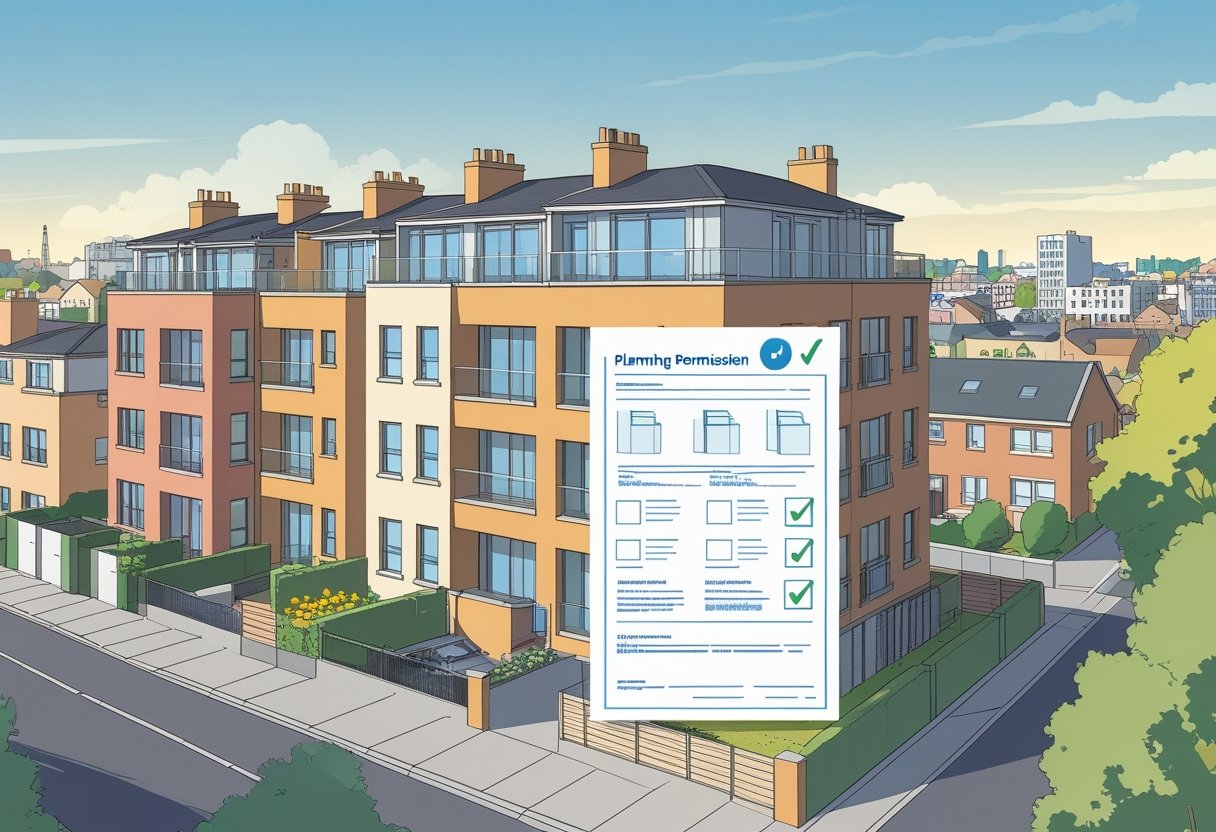
Flats and maisonettes usually don’t get the same permitted development rights as houses, so most alterations and extensions need planning permission.
This difference surprises a lot of property owners. What feels like a simple project—putting in a rooflight, extending a room, or tweaking the roof—can turn into a drawn-out process with formal approval required.
The planning rules for flats and maisonettes don’t match those for houses. They’re stricter, and they affect everything from minor tweaks to bigger renovations.
Whether you’re a freeholder or leaseholder, figuring out when you need permission and how to navigate the process is crucial before you start work. PlanSure helps homeowners decide early whether PD or full planning is the safer route.
Key Takeaways
Flats and maisonettes don’t have the same permitted development rights as houses, so most alterations need planning permission.
The stricter planning regime covers both structural and external changes, even for projects that would be allowed on houses.
Knowing the rules for your property type helps you avoid expensive mistakes and keeps you compliant with planning regulations.
Understanding Flats and Maisonettes
Flats and maisonettes are both self-contained homes, but their layout, access, and space differ. Most flats and maisonettes are leasehold properties, while houses—like detached or terraced—are usually freehold.
Definition of Flats
A flat is a self-contained living space on one floor inside a bigger building. You’ll find flats in purpose-built blocks or in converted houses with shared entrances.
Flats have a kitchen, bathroom, and living areas all on one level. You get to your flat via a common door and corridor shared with other residents.
Most flats share hallways, stairs, and sometimes gardens or bin stores. These shared spaces are looked after through service charges everyone pays.
Flats are popular in cities where space is tight. They’re a practical, compact option for singles, couples, or small families.
Definition of Maisonettes
A maisonette is a self-contained home spread over two or more floors. The term comes from French for “small house.”
The big difference? Maisonettes have a private entrance straight from the outside. You don’t have to walk through shared corridors or lobbies to get home.
Maisonettes often sit above shops, garages, or other maisonettes. Some folks call them “houses on stilts” because they have their own front door, internal stairs, and sometimes a private garden.
You usually get more space in a maisonette than in a flat. The split levels make it feel more like a traditional house, with living and sleeping areas separated.
Differences Between Flats, Maisonettes, and Houses
The main differences come down to layout, access, and ownership.
Layout differences:
Flats are all on one level.
Maisonettes cover two or more storeys.
Houses (terraced or detached) are stand-alone buildings.
Access and privacy:
Flats use shared entrances and corridors.
Maisonettes have their own door to the street.
Houses have fully private access.
Space and communal areas:
Flats share hallways, stairs, and often gardens.
Maisonettes have fewer or no shared spaces.
Houses don’t share facilities.
Maisonettes offer more privacy than flats and more space than a typical single-level unit. Houses offer the most independence, but they come with higher costs and more upkeep.
Ownership: Leasehold and Freehold Considerations
Most flats and maisonettes are leasehold. If you buy leasehold, you own the right to live there for a set number of years, but someone else owns the building and land.
As a leaseholder, you pay ground rent to the freeholder and service charges for upkeep of shared areas. These costs apply even though you own your home.
Houses are usually freehold. That means you own the building and the land outright.
A few maisonettes are freehold, especially if they’re the only home in the building. It’s rare, but it gives you more control and means no ground rent or service charges.
Lease length matters for leaseholds. Short leases can make a property hard to sell and cut its value.
Permitted Development Rights: The Basics
Permitted development rights let homeowners do certain building works without full planning permission. The General Permitted Development Order (GPDO) spells out what you can do, but the rules for houses don’t apply to flats and maisonettes.
What Are Permitted Development Rights?
Permitted development (PD) rights are pre-approved permissions for certain changes, so you don’t have to submit a planning application. These rights are meant to save time and money for straightforward home improvements.
PD rights don’t mean you can do anything you want. The rules set limits on size, height, and location. If your project goes beyond those, you’ll need full planning permission.
Local councils can remove some PD rights with an Article 4 Direction. This usually happens in conservation areas or places where the council wants more control.
Overview of the General Permitted Development Order (GPDO)
The Town and Country Planning (General Permitted Development) (England) Order 2015 contains all the permitted development rights for England. People call it the GPDO.
The GPDO splits permitted development into different parts and classes. Part 1, Schedule 2 is about householder stuff like extensions and alterations. Other parts cover things like farm buildings or temporary uses.
The Order gets updated regularly. Sometimes new rights are added, sometimes restrictions are tightened. Always check the latest version before starting work.
Typical Works Permitted for Houses
Houses get a much wider range of PD rights than flats or maisonettes. The usual things you can do under PD for houses include:
Single-storey rear extensions (up to 3m for terraced, 4m for detached/semi)
Two-storey rear extensions (up to 3m deep)
Loft conversions within certain height and volume limits
Dormer windows on rear roofs
Outbuildings like sheds and garages in your garden
Porches up to 3 square metres
You can also fit roof lights, install solar panels, and build fences or walls under 2m high (or 1m if next to a road). But these rights only apply to houses—flats are a different story.
Planning Portal and Guidance
The Planning Portal gives official info on permitted development rights in England. You’ll find technical guides explaining what you can build without planning permission.
The site has interactive tools to help you figure out if your project fits PD rules. You can also apply for prior approval for some types of permitted development.
Your council’s planning website will have extra info for your area. Check if Article 4 Directions apply to your place or if you’re in a special area with extra restrictions.
Why Flats and Maisonettes Have Different Permitted Development Rules
Flats and maisonettes face stricter planning rules than houses because they share structures, have multiple residents, and can impact neighbours and building safety more easily. These homes come with unique challenges—think safety, structure, and shared building parts.
Structural and Safety Concerns
If you own a flat or maisonette, you share the building with other people. Anything you do to your home can affect the whole place, not just your bit.
Shared and party walls carry weight from more than one property. If you mess with these walls, you risk the structure for everyone. You can’t just knock out a wall or add an extension without thinking about the rest of the building.
Fire safety is a big deal. Flats need to keep fire-resistant barriers and safe escape routes for everyone. If you change things without oversight, you could create fire risks for your neighbours.
The roof, foundations, and outside walls belong to the whole building. Any changes to these need careful checking by professionals and the right permissions. In a house, you control everything; in a flat or maisonette, you don’t.
Impact on Shared Buildings and Neighbours
Your neighbours in a block are right next to you—closer than in separate houses. Any change you make can affect them straight away.
External changes alter the look of the whole building. If everyone could add their own balconies or windows, the building would lose its style. That’s why you need planning permission for most outside changes.
Building works in flats mean noise, vibration, and hassle for several households at once. The party wall between you and your neighbour means your work affects their home too.
Services like plumbing, heating, and vents often run through shared spaces. If you change your flat, you might accidentally disrupt utilities for others. Shared infrastructure needs careful planning and expert input.
Aesthetic and Conservation Considerations
A lot of flats and maisonettes are in conservation areas or listed buildings. These places have extra planning rules to protect their look and history.
In conservation areas, the council checks any external changes to make sure the area’s special character stays intact. Your flat might be part of a Victorian terrace or Georgian square that matters to the street’s look.
Listed buildings are even more tightly controlled. If your flat is in one, you need listed building consent for most changes—inside or out. World Heritage Sites have even tougher standards.
The outside of your building shapes the neighbourhood’s style. Planning authorities use their powers to keep things looking right and stop bad alterations that could spoil the area.
Projects Requiring Planning Permission for Flats and Maisonettes
Unlike houses, flats and maisonettes don’t get most permitted development rights under the planning regime for flats. This means roof changes, outside work, and even some internal jobs usually need a full planning application.
Roof Alterations and Loft Conversions
You’ll need planning permission for most roof projects on your flat or maisonette. That covers loft conversions, roof extensions, and dormer windows.
The rules for flats are stricter than for houses. Even small changes—like adding a rooflight or raising the roof—require formal approval.
The council checks how your work will affect the building and your neighbours. They’ll look at things like height, materials, and how it changes the street view.
If your building is listed or in a conservation area, the restrictions get even tighter. These designations mean extra checks for any roof work.
External Modifications and Extensions
You need planning permission for external changes to flats and maisonettes. That includes rear or side extensions and porches.
The PD rights that let houses build single-storey rear extensions don’t apply to flats. Balconies and balcony changes also need planning approval.
Even small additions like sheds or a garden office in shared grounds require consent. Your application must show how the work affects other residents.
The council considers privacy issues, overshadowing, and changes to the building’s look. They’ll also check if your lease allows the changes.
Garage conversions and other outside structures face the same rules. You can’t rely on permitted development—every project needs formal approval.
Changes of Use and Internal Works
Most internal works inside your flat don’t need planning permission. You can redo kitchens, bathrooms, or knock down internal walls without approval.
But changes of use do need planning permission. If you’re combining two flats into one, that usually doesn’t need approval since you’re making a single home.
If you’re converting from commercial to residential, you might qualify under Class MA permitted development—but it depends on your situation.
You need permission if your work affects the building’s structure or shared parts. That includes changes to outside walls, party walls, or communal areas. Your lease might also restrict certain changes, so you’ll need freeholder consent as well as planning permission.
The Planning Permission Process for Flats and Maisonettes
Flats and maisonettes almost always need full planning applications for changes. They don’t have permitted development rights, so you can’t usually skip formal approvals.
You’ll need expert advice, official paperwork, and probably some back-and-forth with neighbours and the council. It’s rarely simple, but a bit of planning goes a long way.
Pre-Application Assessment and Professional Advice
Talk to your local planning authority before you do anything else. Most councils offer a pre-application advice service, though there’s usually a fee.
This step helps you figure out if your project stands a chance before you spend time and money on drawings and forms. It’s worth it.
An architect or planning consultant who knows flats can look into local rules and recent decisions. They'll spot problems early, like privacy issues or restrictions in conservation areas.
You also need to check your lease. Most flats are leasehold, so you’ll need the freeholder’s written okay before making structural changes.
If you share the freehold with other owners, you’ll need their agreement too. It’s best to get this sorted upfront.
Not sure if you need planning permission? You can apply for a lawful development certificate (LDC) to get a formal answer from the council.
Submitting a Full Planning Application
A planning application needs detailed drawings, a design and access statement, and the fee. You send this to the local planning authority—not straight to neighbours or your freeholder.
You’ll need scaled floor plans, elevations, and a site plan. For external changes, your architect should include context drawings showing how your plans affect the building and neighbours.
The council usually takes eight weeks to decide, but tricky projects might take up to 13 weeks. They’ll check your application for missing info within a few days and let you know if anything’s missing.
Some areas have Article 4 directions that remove permitted development rights, but flats already lack these rights. Still, check if your building is affected just in case.
Neighbour Consultation and Party Wall Agreements
The council will let your neighbours know about your application. Flats in your building and nearby homes get letters outlining your plans.
Neighbours have 21 days to comment or object. Their feedback can influence the planning officer, especially if they raise concerns about noise or loss of light.
Party wall agreements are a separate legal requirement. If your work affects a shared wall, floor, or foundation, you must serve party wall notices under the Party Wall Act 1996.
It’s smart to hire a party wall surveyor to handle notices and negotiations. Skipping this step can cause major headaches or even stop your project cold.
Decision, Conditions, and Enforcement Action
Planning officers review your application against local policies. They might grant permission, grant it with conditions, or refuse it outright.
If you get conditions, you’ll need to submit more info—like details on materials or working hours—before you start building.
If the council refuses your application, you can appeal to the Planning Inspectorate within six months. It’s worth asking your architect if an appeal makes sense.
Starting work without permission, or ignoring conditions, can land you in hot water. The council can issue enforcement notices, make you undo work, or even prosecute you if it’s a listed building.
Restrictions and Designated Areas
Flats and maisonettes already have tight rules, but extra restrictions can apply based on location or building type. Properties in designated areas face tougher planning controls.
Local authorities can remove rights entirely through special directions. It pays to check the details before you start.
Conservation Areas, National Parks, and AONBs
If your flat or maisonette is in a conservation area, national park, area of outstanding natural beauty, or World Heritage Site, expect stricter planning rules.
These areas exist to protect historic or natural places, so the government limits permitted development rights to keep their character intact.
Work that might fly elsewhere often needs full planning approval in these zones. Conservation areas usually cover historic centres or architecturally interesting neighbourhoods.
National parks and AONBs protect landscapes and natural features. The council will look closely at any proposed changes.
Check with your local planning authority before doing anything. They have up-to-date records and can tell you exactly what applies.
Article 4 Directions and Withdrawn Rights
Councils can issue Article 4 directions to remove permitted development rights. That means you’ll need planning permission for work that might not normally require it.
These directions are common in conservation areas, targeting changes like new windows, doors, or roof alterations.
If your building is affected, you should have received a notice when the direction was made. For older directions, you might need to check the council’s planning map or call them.
Listed and Protected Buildings
Listed buildings have almost no permitted development rights. Any changes—inside or out—need listed building consent.
The listing covers the whole building, not just your flat. Even internal work that wouldn’t usually need permission will require consent.
Protected buildings get this status for their architectural or historical value. If your flat’s in a listed building, expect a lot of scrutiny.
Non-designated heritage assets don’t automatically lose rights, but councils will look closely at any proposed changes.
Building Regulations and Additional Consents
Building regulations are separate from planning permission. They apply to most construction work, and you can’t skip them.
You’ll need building regs approval for structural changes, new windows, electrics, or anything affecting fire safety. These rules keep buildings safe and efficient.
For leasehold flats, you also need permission from your freeholder or management company. This is in your lease, and it’s just as important as planning or building regs.
Frequently Asked Questions
Flats and maisonettes have different planning rules and legal hoops to jump through compared to houses. They often need formal permission for things houses can do under permitted development.
They also come with unique responsibilities for fire safety, maintenance, and building regulations.
What are the specific planning permissions required for converting flats and maisonettes compared to private dwellings?
Flats and maisonettes don’t get the permitted development rights that houses enjoy. For most external changes, structural work, or extensions, you’ll need to submit a full planning application.
Houses can often add extensions, porches, or conservatories without formal permission. Flats and maisonettes can’t do this.
You’ll need planning permission for things like building extensions, adding rooflights, or changing the exterior. Even small external tweaks usually need approval.
Internal changes that don’t affect the structure might not need permission. Always check with your local authority before starting work.
How do the building regulations differ between flats, maisonettes, and private detached properties?
Building regulations cover all property types, but flats and maisonettes face stricter rules for fire safety, sound insulation, and escape routes.
You’ll need to meet higher standards for shared areas and structures. Detached houses have simpler rules since they don’t share walls or floors with neighbours.
Flats and maisonettes must meet sound insulation standards to prevent noise between units. These acoustic rules are there for everyone’s sanity.
Can you explain the differences in leasehold obligations for owners of flats and maisonettes?
Most flats and maisonettes are leasehold. You own the right to occupy the property for a set time, but the freeholder owns the building and common spaces.
You’ll pay service charges for maintenance, insurance, and repairs to shared areas. Freehold houses don’t usually have these fees.
Your lease spells out what changes you can make. You’ll usually need written permission from the freeholder before doing any building work, even if you don’t need planning permission.
Ground rent might also apply, but new laws have limited this for recent leases. Always read your lease to understand financial obligations and any restrictions.
What should homeowners be aware of when considering permitted development rights for maisonettes versus detached houses?
Maisonettes don’t have the same permitted development rights as detached houses. You can’t assume you’ll be able to make changes without planning permission.
Detached houses can use permitted development for things like extensions or loft conversions. Maisonettes can’t.
You’ll need to apply for full planning permission for work that a house could do under permitted development. This includes things like dormers, extensions, or bigger windows.
No permitted development rights means more time and cost for maisonette improvements. Remember to budget for application fees and waiting times.
How does the fire safety legislation apply differently to flats and maisonettes in comparison to private dwellings?
Flats and maisonettes must meet tougher fire safety rules than single-family houses. These cover fire doors, alarms, escape routes, and fire barriers between units.
You’re responsible for fire safety inside your flat or maisonette. The building owner or management company handles communal areas.
Fire doors must be certified and kept in good condition to slow fire spread. Private houses usually don’t need fire-rated doors unless there’s an integral garage or annex.
Recent rules after Grenfell mean more checks on building materials, external walls, and fire risk assessments for taller residential blocks.
PlanSure helps homeowners decide early whether PD or full planning is the safer route.
In what ways do the responsibilities for maintenance and management differ for residents of flats and maisonettes as opposed to those in standalone properties?
You share responsibility for the building's exterior, structure, and common areas with other leaseholders. Service charges usually cover these shared costs.
A freeholder or management company typically arranges repairs to the roof, external walls, and communal hallways. Even if the work doesn't affect your unit directly, you still have to chip in.
Inside your own flat or maisonette, you control maintenance and improvements. But when it comes to external repairs or anything structural, the building owner calls the shots.
If you own a standalone property, you handle all maintenance yourself. No need to wait for approval or split costs—you're in charge, for better or worse.