
Jan 17, 2026
A lot of people think that if you just follow all the rules when applying for a visa or status extension, you’ll get approved. They gather every document, meet deadlines, and send in applications exactly as instructed.
But then, out of nowhere, a refusal letter shows up. It’s confusing and pretty frustrating—you’re left wondering what went wrong.
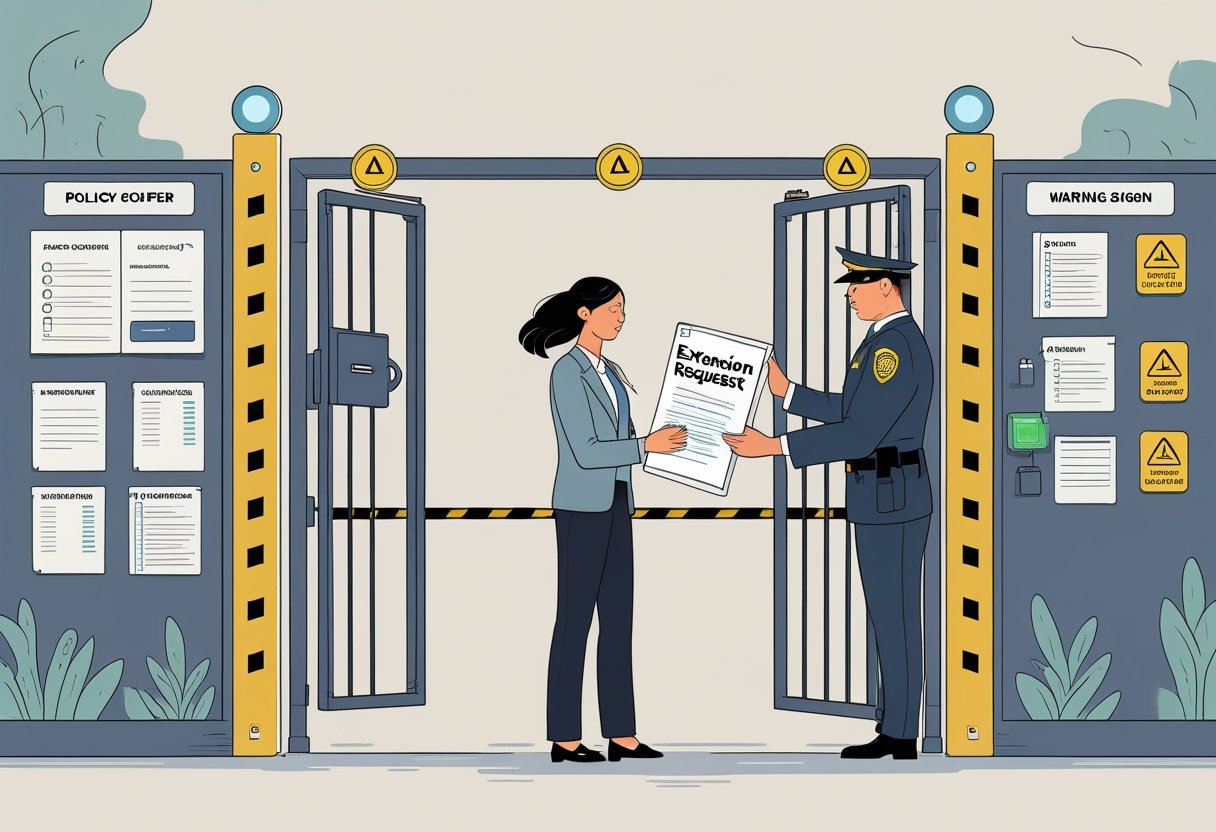
Even when you check every technical box, extensions can still be refused because immigration decisions involve human judgment—not just a checklist. Officers look at the bigger picture, like whether your intentions seem genuine, if you have strong ties to your home country, or if your pattern of stay hints at plans to settle down long-term.
Just meeting the basic requirements doesn’t automatically answer these deeper questions about your credibility and intent.
This gap between following the rules and actually getting approval trips up thousands of applicants every year. If you understand why this happens, you can prepare stronger applications that go beyond the written rules.
Key Takeaways
Immigration officers look at your credibility and intentions, not just your paperwork.
Common refusal reasons include doubts about your temporary intent, weak home country ties, and patterns that suggest you want to stay for good.
Stronger applications address both the technical requirements and the underlying concerns about your real reasons for staying.
Understanding Rule-Compliant Extensions
Just following procedural requirements doesn’t guarantee approval. Courts look at both technical compliance and whether you have a solid reason for your extension requests.
People representing themselves often struggle with both, even when they try to follow the rules.
Typical Steps for Seeking an Extension
You need to file your extension request before your current deadline runs out. Most courts want a formal motion that spells out why you need more time.
Your motion should list the exact deadline you want to extend and propose a new date. You’ll also need to back up your request with evidence—maybe medical records, proof of scheduling conflicts, or documents showing unexpected problems.
Courts expect you to explain what stopped you from meeting the original deadline. In many places, you also have to say whether the other side agrees to your extension.
You’re supposed to make a real effort to get their consent first. If they object, you’ve got to include their response in your motion.
Essential components of your motion:
Original deadline date
Requested new deadline
Specific reasons for the delay
Supporting documentation
Statement of opposing party's position
Proposed order for the judge to sign
Role of Rules of Civil Procedure
Rules of civil procedure set the ground rules for court extensions. They spell out deadlines, forms, and how you’re supposed to notify others.
Each place has its own version of these rules, but most look pretty similar. The rules say how much notice you’ve got to give other parties before a hearing.
They also limit how long extensions can be. Some deadlines are strict, while others have a little wiggle room.
Courts expect you to know and follow these rules. Judges can’t always excuse mistakes, even if your reason for needing an extension seems fair.
You have to comply with both the letter and the spirit of these rules.
Impact of Pro Se Representation
If you’re representing yourself, you face some real hurdles. You probably haven’t had formal legal training, so interpreting complex rules gets tricky.
Courts hold you to the same standards as lawyers. You might not realize which rules apply to your situation.
Some requirements aren’t obvious just from reading the rules. Representing yourself raises the chances you’ll miss something or submit the wrong paperwork.
Judges might cut you a little slack, but they can’t give you legal advice or fix your mistakes. Good intentions aren’t always enough if you make technical errors.
Common Reasons Extensions Are Refused Despite Compliance
Even if you carefully follow all the requirements, extensions can still get rejected for reasons that aren’t spelled out in the rules. Decision-makers have a lot of leeway to judge your application based on things you might not expect.
Judicial Discretion and Subjective Factors
Immigration officers and judges have broad discretion when they look at extension applications. You might submit every document and tick every box, but decision-makers still judge your credibility and intentions.
They check if your application shows a genuine need and good faith. If your paperwork or past applications have even small inconsistencies, it can raise red flags.
How strong your ties are to your home country versus your host country is a big, subjective call. Two officers might look at the same application and reach totally different conclusions.
Procedural vs. Substantive Requirements
Submitting forms on time with all the right signatures is only half the battle. You also have to prove you actually qualify for the extension.
Procedural compliance means you filed everything right. Substantive compliance means you’ve shown you meet the real requirements—like having a legit job offer or valid reason for staying.
A lot of refusals happen when people focus on paperwork but forget to address the underlying criteria. The rules might say you need a job offer, but the officer will check if it’s really suitable for your visa type.
Due Process Considerations
Due process protections aren’t the same everywhere, and they depend on your visa type. Immigration law usually requires fair procedures, but the specifics can be pretty limited.
Officers can refuse extensions without giving much detail—maybe just saying your evidence wasn’t enough. Sometimes you don’t get a chance to respond before they decide.
Appeal rights can be limited or time-sensitive. In some places, there’s no appeal process at all for certain refusals.
Discovery Requests and Motions: A Closer Look
Courts turn down extensions when discovery disputes pop up from procedural mistakes or what they see as abuse. You might think you’ve followed the rules, but the technical requirements for things like interrogatories and motions to compel are strict.
Interrogatories and Discovery Requests
When you get a discovery request, you usually have 30 days to reply. If it came by post, you get three extra days.
This deadline covers interrogatories, requests for production, and admissions. Each interrogatory needs a full answer under oath.
You have to retype each question and answer right underneath. If you got info from someone else, say so in your answer.
Miss the deadline, and you’re in trouble. For requests for admissions, if you don’t answer, the court treats them as admitted—even if you just forgot.
You can’t just say you don’t know unless you’ve actually checked. Courts don’t like vague answers. You need to address every point in the interrogatory.
Motion to Compel: Limitations
A motion to compel asks the court to make you respond to discovery requests you ignored or didn’t answer properly. The other party can file this if you blow the deadline.
Courts grant these motions when you haven’t given a real objection. Just disagreeing isn’t enough.
You have to show the info is privileged, too broad, vague, or that the other side can get it themselves. If the court grants the motion, you get another deadline to comply.
Asking for an extension after that is tough, since you’ve already failed to comply. Judges look at later extension requests with a lot more scepticism.
Discovery Abuse and Court Responses
Discovery abuse happens when people use discovery to delay, harass, or dodge real requests. Courts watch for patterns that suggest you’re trying to stall rather than cooperate.
Common tactics include filing lots of baseless objections, giving incomplete answers, or claiming privilege over clearly relevant stuff. Even if each move seems minor, the pattern tells the real story.
Courts can hit you with fines, attorney’s fees, or even dismiss your case for discovery abuse. You could also face contempt charges for ignoring court orders. These penalties stick, even if your main case had merit.
Strategic Errors Leading to Refusals
People sometimes think they’re doing everything right, but strategic mistakes in timing or communication can sink an otherwise solid request. These errors often come down to poor communication, documentation slip-ups, or bad timing.
Failure to Communicate With Opposing Party
If you need a motion for more time, not telling the other side first can get your request tossed. Courts want to see good faith—meaning you tried to let the other party know about your extension request and got their input if possible.
File without talking to them, and the court might think you’re playing games. Some places even require proof you reached out—dates, emails, calls, whatever.
If the other party objects, you need to address their concerns in your motion. Skipping this step makes it look like you’re ignoring fairness, even if you had a good reason for more time.
Keep records of all your communication attempts. Save emails, letters, and notes about phone calls to show you did your part.
Submitting Incomplete or Incorrect Paperwork
Missing signatures, using old forms, or forgetting attachments are some of the biggest reasons for refusals. Immigration and court motions both need specific documents.
You’ve got to include every attachment listed. If you ask for a medical extension but don’t include medical records, or you leave out the proposed new deadline, your request gets rejected.
Administrative staff often review applications first and can refuse them before a judge even sees your explanation. Using outdated forms or paying the wrong fee causes more headaches.
Double-check you have the latest version and correct fee right before filing. Even small mistakes like the wrong date or missing case number can mess up an otherwise solid request.
Improper Timing of Motions
Filing too early or too late can wreck your chances, even if you technically meet the deadline. Courts get suspicious of last-minute requests, especially if you could have asked for more time sooner.
If you file on the day your deadline expires, it looks like poor planning. File as soon as you know you need more time—ideally several days ahead.
That shows respect for the court’s schedule and the other side’s prep time. On the flip side, filing way too early can also be a problem if things might change.
There’s a balance between acting quickly and waiting until you’ve got all the info you need.
Consequences of Refused Extensions
If your extension gets refused, you’re looking at serious consequences beyond just losing your status. You could lose your case, face fines, and have trouble with future applications.
Default Judgement Risks
A refused extension often means your legal status runs out before your case finishes. If you can’t stay legally, you might miss court dates or deadlines for important filings.
Miss a deadline, and the court can issue a default judgement against you. That means you lose your case automatically, and the other side wins by default.
It’s tough and expensive to try to reverse this. You’d need to prove something truly exceptional happened.
This is especially risky in civil cases where you have to show up or file on time. One missed deadline can kill your case for good.
Impact on Case Progression
If your extension is refused, your case might stall—or worse, move forward without you. Courts and agencies keep going with hearings whether you’re there or not.
Deadlines keep running, and you might not be able to file motions or evidence. If you have to leave the country, staying in touch with your solicitor or gathering documents gets way harder.
Time zones, limited access to records, and slow responses can really weaken your case. Not being able to fully participate hurts your chances in settlement talks, too.
The other side knows you’re under pressure, which gives them the upper hand. That usually means less favorable outcomes than if you could negotiate from a stable position.
PlanSure helps homeowners decide early whether PD or full planning is the safer route.
Potential for Attorney's Fees and Sanctions
Courts can order you to pay the other party's attorney's fees if your absence or slow responses create extra legal work. These fees add up fast, especially if the other side has to file more motions or attend extra hearings because of you.
You might also face sanctions for ignoring court orders or breaking procedural rules. Sanctions can mean fines or limits on what evidence you can use.
In the worst cases, courts might strike your pleadings or even dismiss your claims. It's not just attorney's fees either.
You could end up hiring legal help back home to work with solicitors where your case is pending. That means double the legal costs—never a good surprise.
Navigating the Appeals and Remedies Process
When your extension gets refused—even if you followed planning rules—you still have options. Knowing the appeals process and getting solid professional support can be the difference between giving up and actually overturning a refusal.
Seeking Legal Advice or Consult
Get professional legal advice as soon as you receive a refusal notice. Planning law specialists can review your application and the council's reasons for refusal to see if the decision makes sense.
A solicitor with planning experience will look for weaknesses in the local authority's case. They'll check if the council applied planning policies correctly and followed the right steps.
If the refusal involves tricky policy interpretations, or you think the decision was unreasonable, it's wise to get a legal consult. Many planning solicitors offer an initial consultation so you can figure out if your case is worth appealing.
Time limits for planning appeals are tight. Usually, you've got six months from the refusal date, but some appeal types only give you 12 weeks.
Options After Refusal
You really have three choices when your extension application gets refused. You can submit a revised application that fixes the council's concerns, appeal the decision to the Planning Inspectorate, or just walk away from the project.
A revised application usually makes sense if the refusal reasons are specific and fixable. This route skips the appeal costs and can be quicker.
The appeals process comes in three flavors: written representations, hearings, or public inquiries. Written representations work for simple cases with no big disputes. Hearings are for cases that need discussion but not formal cross-examination.
Public inquiries are for the complex or controversial stuff. Written representation appeals usually take 12-18 weeks for a decision.
Hearings and inquiries take longer, but you get to present your case directly to an inspector.
Role of Avvo Rating and Professional Assistance
Professional help makes a real difference in appeal success. Planning consultants and solicitors know the ins and outs of planning law and appeals.
When picking someone to help, check their credentials and experience with planning appeals. Avvo ratings and similar review platforms can help you judge a solicitor's reputation and track record.
Planning agents handle technical appeal details, like preparing statements and collecting evidence. They know what inspectors want to see.
Professional assistance costs vary with case complexity. Simple written representation appeals might be £1,500-£3,000, but complex inquiries can top £10,000.
Best Practices to Reduce the Risk of Refusal
Strong evidence and careful attention to procedure give you the best protection against refusal. Filing clear documents and meeting local expectations can solve problems before they turn into denials.
Documentation and Good Faith Communication
Build your application as if someone who knows nothing about you will review it. Include three to six months of bank statements, employment letters on company letterhead, and property deeds or tenancy agreements showing ties abroad.
If you're requesting a medical extension, add detailed letters from your doctor, appointment schedules, and proof of payment or insurance.
Your written explanation should address timing head-on. If you waited until close to the expiry date, say why. If your circumstances changed after arrival, document what happened and when.
USCIS officers want consistency between your reason and your evidence. Keep copies of everything you send.
If they ask for more evidence, respond quickly and completely. Ignoring a request for evidence usually means denial.
Keep your communication factual and organized. Emotional appeals don't help your case.
Adapting To Local Court Procedures
USCIS service centres sometimes have slightly different administrative standards, even though the law is the same. Check current processing times for your centre and plan for delays.
Online filing gets you faster receipt notices and lets you upload documents in standard formats. Paper applications need the right mailing address, which can change—so double-check before sending.
Missing a filing deadline because you used an old address won't get you off the hook. If you have dependants, confirm if they need separate forms or can be included on yours.
Mistakes here cause delays and wasted fees.
Frequently Asked Questions
Extension developers often face rejection even when they follow the published guidelines. Knowing how platforms evaluate, change policies, and handle appeals helps you get through these headaches.
What criteria do web store platforms use to evaluate the compliance of extensions?
Platforms use automated scanning tools and manual reviews to check extensions. They look for security issues, malicious code, and whether you meet technical requirements.
Reviewers check your extension's permissions to see if they fit its purpose. They make sure your privacy policy matches your data practices.
Design and user experience standards matter, too. Performance counts—your extension can't hog system resources or slow things down.
Can an extension be declined if it has previously been approved but platform policies have changed?
Yep, platforms update their policies all the time and can reject extensions that were fine before. Your extension might not meet new standards, even if it passed review six months ago.
Policy changes usually tighten security or limit certain features. It's on you to keep up with updates and adjust your extension as needed.
Platforms can remove extensions that break new rules. Prior approval doesn't guarantee future acceptance.
How does the extension review process handle false positives in rule enforcement?
Automated systems sometimes flag legit extensions by mistake. These false positives happen when scanners misread your code or spot patterns that look suspicious.
Manual reviewers can mess up, too—especially with complex features. They might not get your extension's purpose and call it non-compliant.
Time pressure during reviews can lead to quick, wrong decisions. Sometimes platforms just don't have enough context to tell proper API use from abuse.
Your extension might use advanced features the right way but still get rejected.
What steps should developers take if their extension meets the official guidelines but is still rejected?
Start by reading the rejection notice closely to see the reason. Compare it to the policy and decide if the rejection makes sense.
Show how your extension follows each rule mentioned. Use screenshots, code samples, and clear explanations.
If you think the rejection's wrong, gather evidence before contacting support. Explain, calmly and factually, how your extension complies.
Skip the emotional language when talking to the review team.
Are there common technical issues that might lead to the rejection of an extension despite rule adherence?
Bad manifest files cause a lot of rejections. Syntax errors, outdated fields, or permissions that seem too broad can all trip you up.
Obfuscated code is a red flag—even if you have good reasons for it. Platforms often reject minified or compressed code they can't check.
Loading scripts from outside sources can trigger automatic rejection. Reviewers can't verify external content.
Network requests to undocumented domains, background processes that run all the time, or missing privacy policies also lead to technical rejections.
PlanSure helps homeowners decide early whether PD or full planning is the safer route.
In what ways can developers appeal against a decision if their extension is not accepted?
Most platforms let you appeal through their developer dashboard or support system. You’ll need to explain why you think the rejection was off the mark and back it up with some evidence.
Cite the guidelines your extension actually follows. Attach any documentation that shows you’re sticking to the rules.
Some platforms even let you ask for a second review from a different team member. That can help if you feel the first review missed something.
Response times for appeals jump around—a few days for some, weeks for others. Sometimes, you’ve got to submit a tweaked version of your extension that fixes what the reviewer flagged.
Keep your communications professional and stick to the facts. It’s tempting to get emotional, but staying clear-headed usually gives you a better shot at getting that appeal approved.
PlanSure helps homeowners decide early whether PD or full planning is the safer route.