
Wesminster Planning Permission
Planning an extension or home improvement in Westminster means working within one of London's most heritage-sensitive boroughs. The rules that apply here differ substantially from what you might expect based on national guidelines.
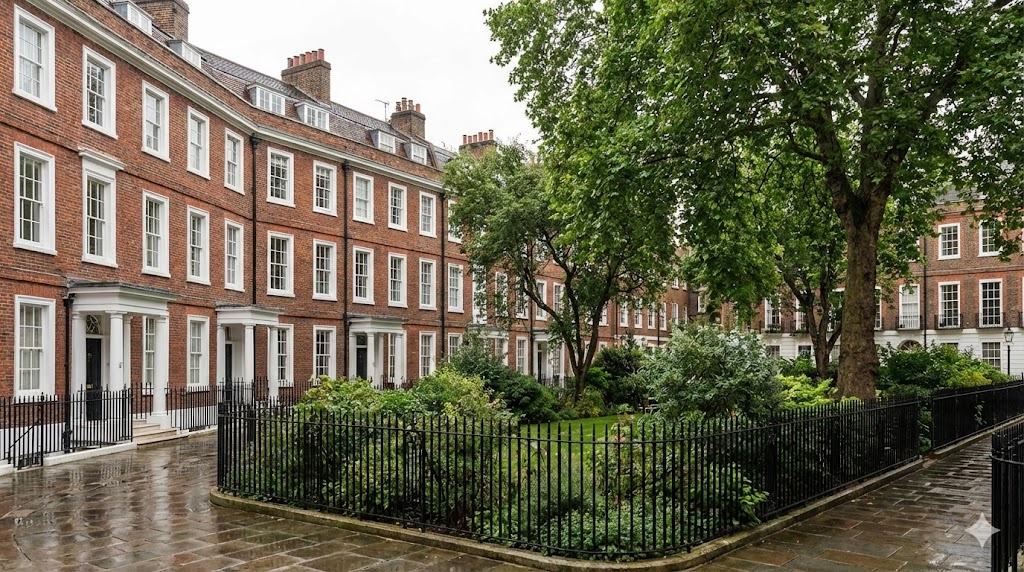
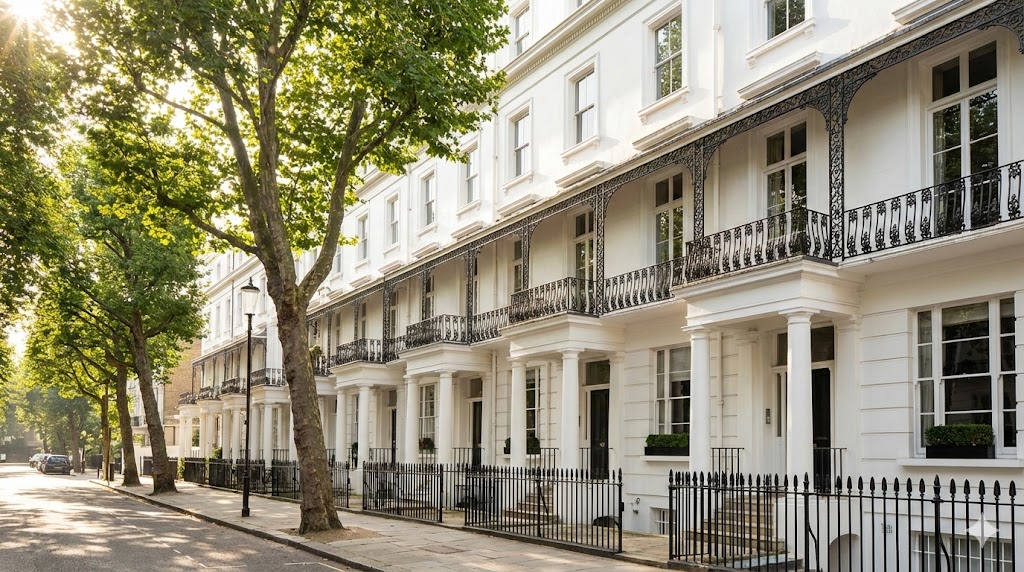
Westminster's housing stock spans everything from grand Georgian townhouses to Victorian mansion blocks, post-war estates, and modern riverside developments. This variety creates a patchwork of planning contexts where what's possible on one street may be impossible on the next. The council manages an exceptionally high concentration of listed buildings and conservation areas, making careful navigation of local policy essential.
Homeowners often underestimate how different the planning environment is in Westminster compared to outer London boroughs. Understanding the local approach before investing in designs can save significant time and money.

Local Planning Context
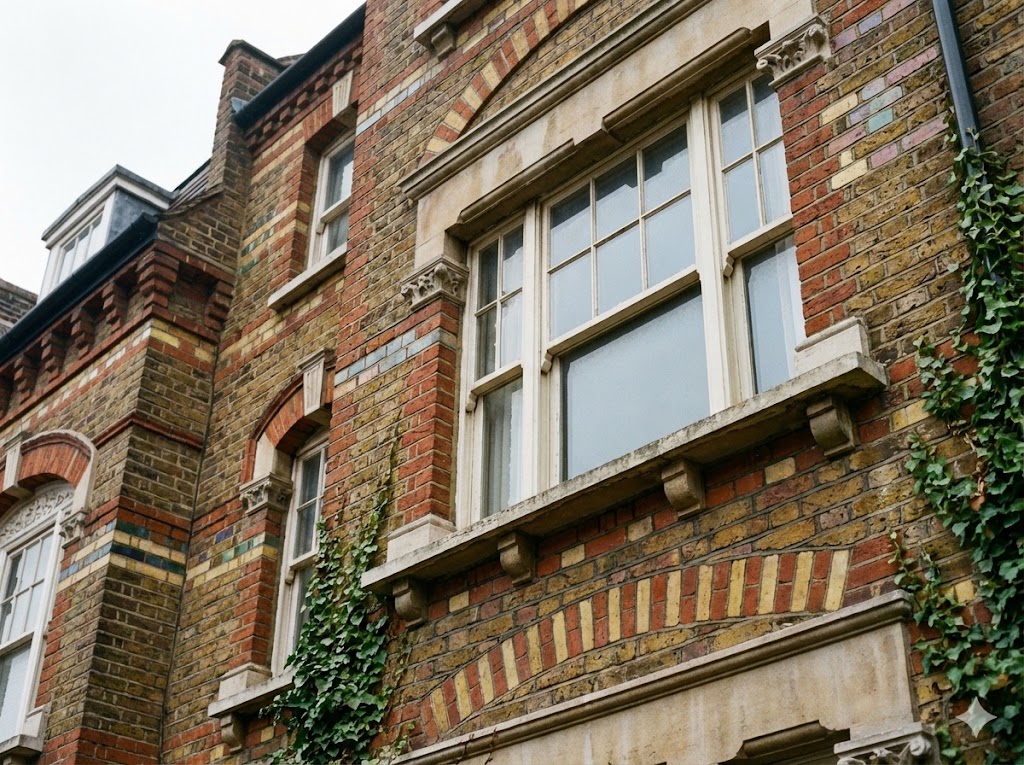
Westminster contains more listed buildings than any other local authority in England. Grade I, II*, and II listings are common across central areas, and even non-listed buildings often fall within the setting of protected structures. If your property is listed or sits near one, the requirements for consent multiply significantly.
Conservation areas cover substantial portions of the borough, from Belgravia and Mayfair to Marylebone and Pimlico. Within these zones, permitted development rights are restricted, and the council applies careful scrutiny to any proposal that could affect area character.
The density of Westminster creates particular sensitivities around neighbour amenity. With properties often sharing party walls and overlooking closely spaced gardens or light wells, extensions that might seem modest can have outsized impacts on adjacent homes. The council takes these considerations seriously.
Article 4 directions apply in many areas, removing automatic rights for alterations that might affect the streetscape or building character. Window replacements, exterior painting, and front garden changes frequently require explicit permission.
What Types of Extensions Usually Get Approved
Despite the challenging environment, extensions are regularly approved in Westminster when they respect local character and protect neighbour amenity.
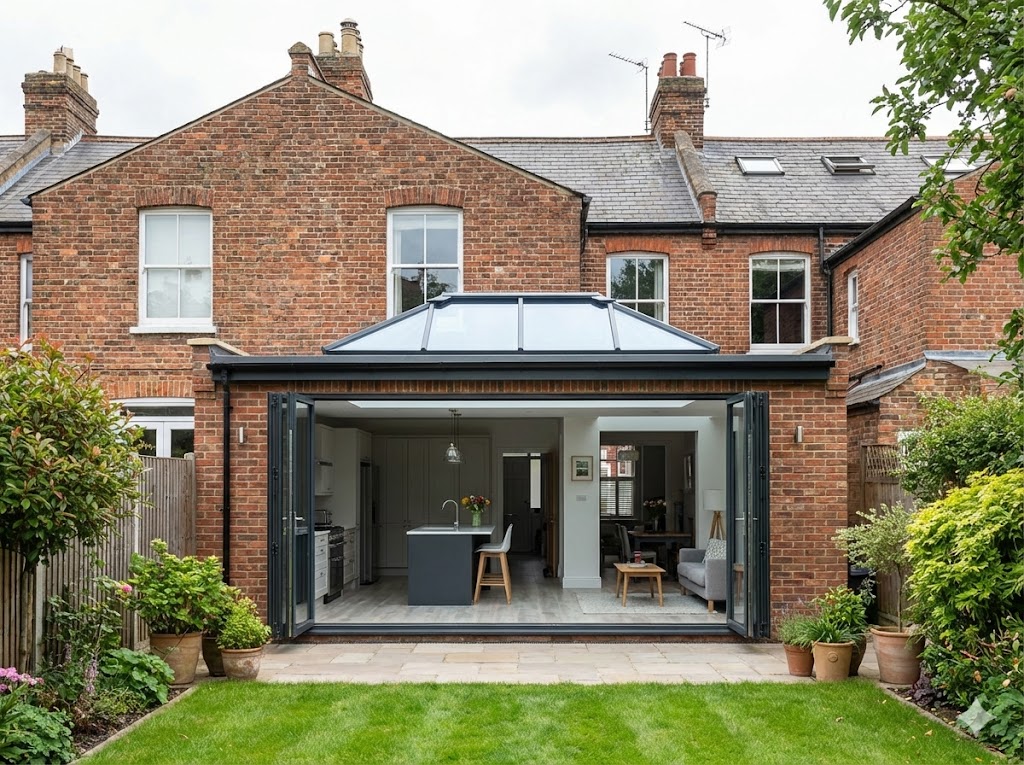
Rear extensions at lower-ground or ground level tend to have the best success rates. Single-storey additions that remain subordinate to the main building and avoid harming light or outlook for neighbours can work well, particularly on larger properties with established garden space.
Internal alterations are often more straightforward than external changes in Westminster. Reconfiguring layouts, opening up ground floors, or converting spaces within the existing building envelope typically raises fewer concerns than expanding the footprint.
Roof terraces and balconies can be approved in appropriate locations, though the council is cautious about overlooking and noise impacts on neighbours. Proposals that include screening or limit hours of use may have better prospects.
Loft conversions face mixed fortunes. Where the existing roof form can accommodate a conversion with minimal external change, approval is more likely. Schemes requiring significant dormer additions or roof restructuring face greater scrutiny, particularly in conservation areas.
Basement extensions, while technically possible, attract extensive conditions in Westminster. The council's policies aim to protect neighbours from prolonged construction disruption and safeguard the structural stability of adjacent properties.
Permitted Development in Westminster
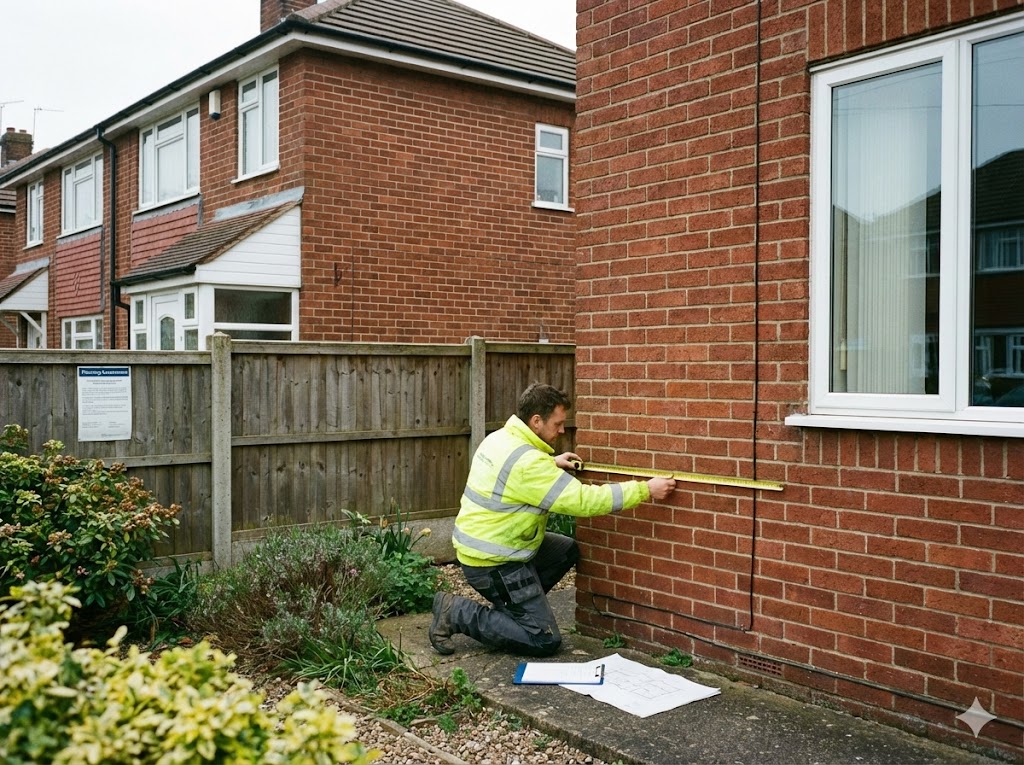
Permitted development rights are significantly curtailed across much of Westminster, and homeowners are frequently caught out by assuming national rules apply.
Listed buildings have no permitted development rights. Any alteration to a listed property, internal or external, requires listed building consent in addition to any planning permission needed.
Conservation area restrictions remove rights for many external alterations. Roof extensions, cladding changes, and prominent additions typically require formal consent even where they might be permitted elsewhere.
Flats and maisonettes generally have no permitted development rights for physical extensions. If you live in a flat, assume planning permission is needed for any external work.
Article 4 directions further restrict rights in designated areas. Front elevation changes, satellite dishes, and alterations affecting the public realm commonly require permission in Westminster when they wouldn't in other boroughs.
The only reliable way to confirm what's permitted at your specific address is to check directly with the council or obtain a Certificate of Lawful Development.
Council Process and What Homeowners Usually Miss
Westminster's planning department handles a substantial caseload and maintains high expectations for application quality.
Pre-application advice is particularly valuable in Westminster. The council offers various levels of pre-app service, and given the complexity of local policies, investing in early guidance often saves money compared to submitting an application that then requires amendment or faces refusal.
Determination times are typically eight weeks for householder applications, though heritage consultations or neighbour objections can extend this period. Applications involving listed buildings follow separate processes with additional statutory requirements.
Many homeowners discover conservation area policies or listed building constraints only after commissioning designs. An extension that appeared feasible at concept stage may conflict with heritage guidance that wasn't initially apparent. Identifying these issues before spending on detailed drawings is far more cost-effective.
The council places significant weight on design quality. Applications supported by clear heritage impact assessments and thoughtful design rationale generally fare better than minimal submissions that leave officers to fill in the gaps.


Common Reasons for Refusal in Westminster
Several recurring themes appear in Westminster planning refusals. Knowing these patterns helps you design around potential obstacles.
Impact on listed buildings or their settings causes frequent refusals. Even if your property isn't listed, proposals that harm the character or setting of nearby listed structures face rejection. The council expects applicants to demonstrate how their scheme preserves or enhances the historic environment.
Harm to conservation area character affects many applications. Extensions using inappropriate materials, proportions that don't relate to the host building, or designs that disrupt established streetscape rhythms are commonly refused.
Loss of light and outlook to neighbouring properties is a significant concern in densely developed Westminster. Extensions that block natural light to habitable rooms or create an oppressive sense of enclosure fail the council's amenity tests.
Overlooking and privacy impacts lead to refusals where extensions create new sightlines into neighbours' windows or gardens. The council applies careful assessment to any proposal introducing upper-floor windows or roof terraces.
Design quality matters greatly in Westminster. Generic proposals that don't respond to the specific architectural context struggle to gain approval. The council expects designs that demonstrate understanding of local character and craftsmanship appropriate to the setting.
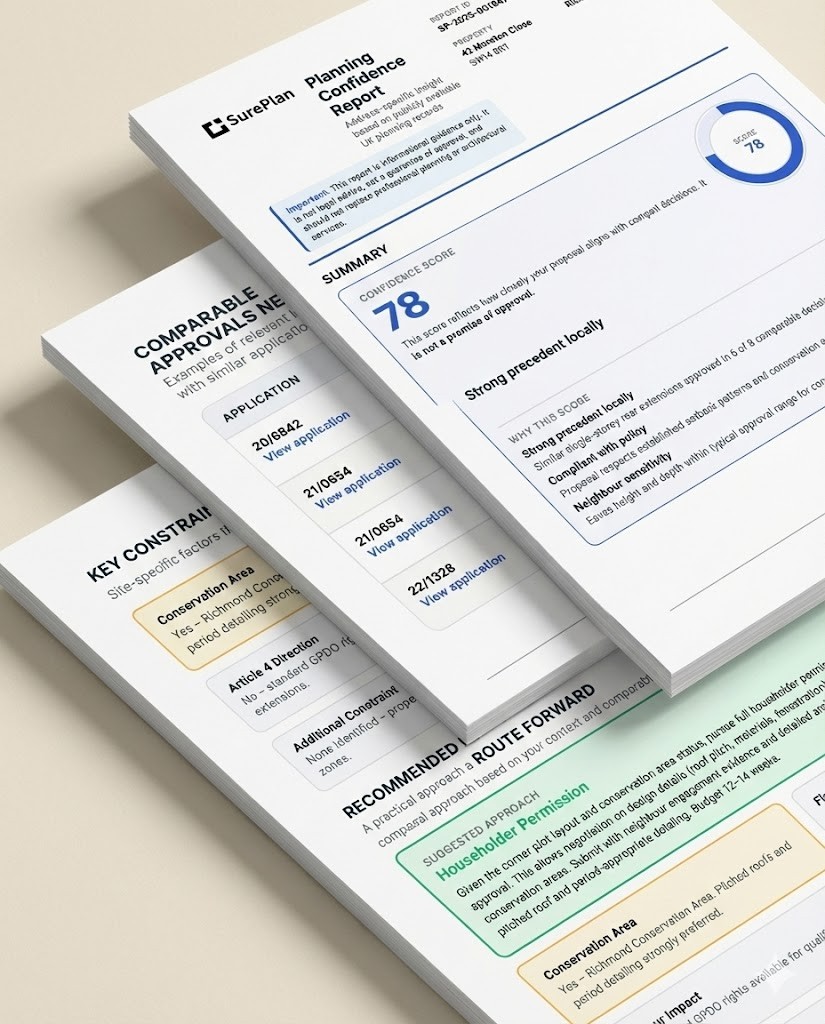

10+
years
Historic planning decisions analysed
300+
Local planning authorities covered
1,000s
Comparable applications reviewed per report
24 hrs
Typical report delivery time straight to your inbox