
Wandsworth Planning Permission
Wandsworth has earned a reputation as one of London's more active boroughs for home extensions. The area's Victorian and Edwardian housing stock, combined with relatively consistent planning approaches, makes it a popular place for homeowners to expand their properties.
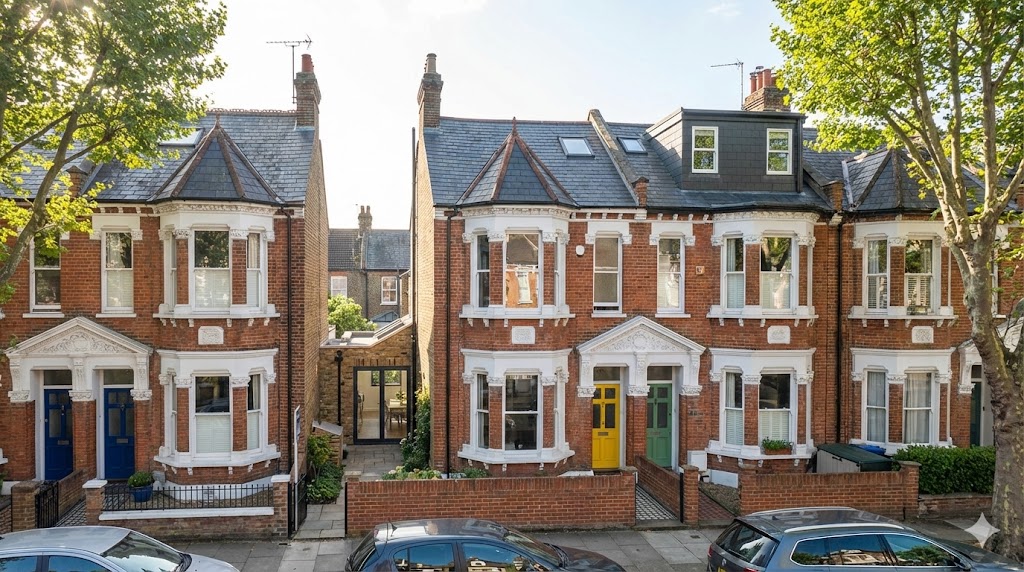
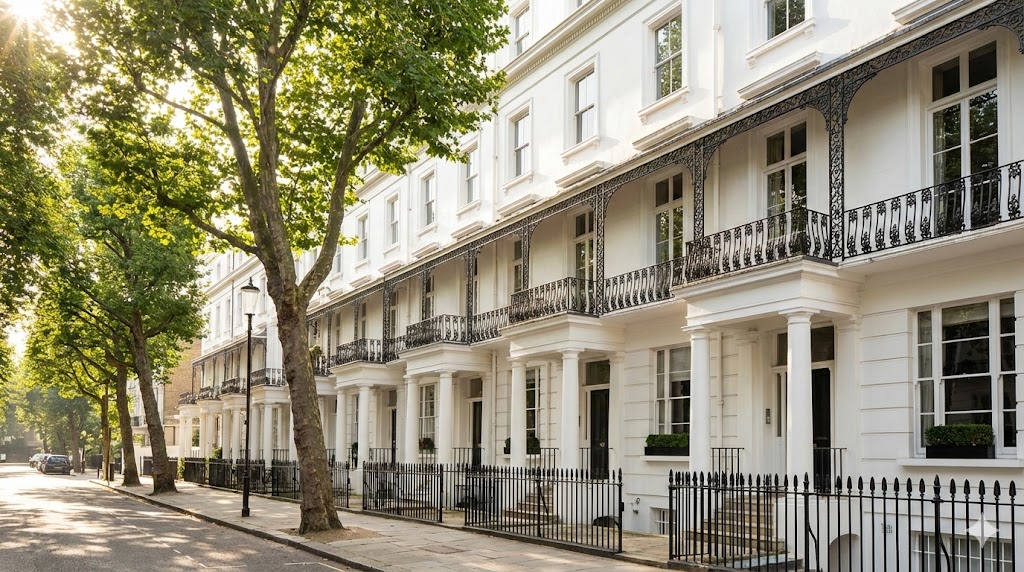
The borough spans diverse residential areas from the period terraces of Balham and Clapham Junction to the larger properties of Putney and the 1930s semis of Earlsfield and Tooting. This variety of housing creates different opportunities and constraints depending on your location and property type.
While Wandsworth is often seen as extension-friendly compared to inner London boroughs, this reputation can lead to overconfidence. Local policies still apply, conservation areas exist, and neighbour amenity remains a key consideration. Understanding your specific planning context before investing in designs remains essential.
Local Planning Context
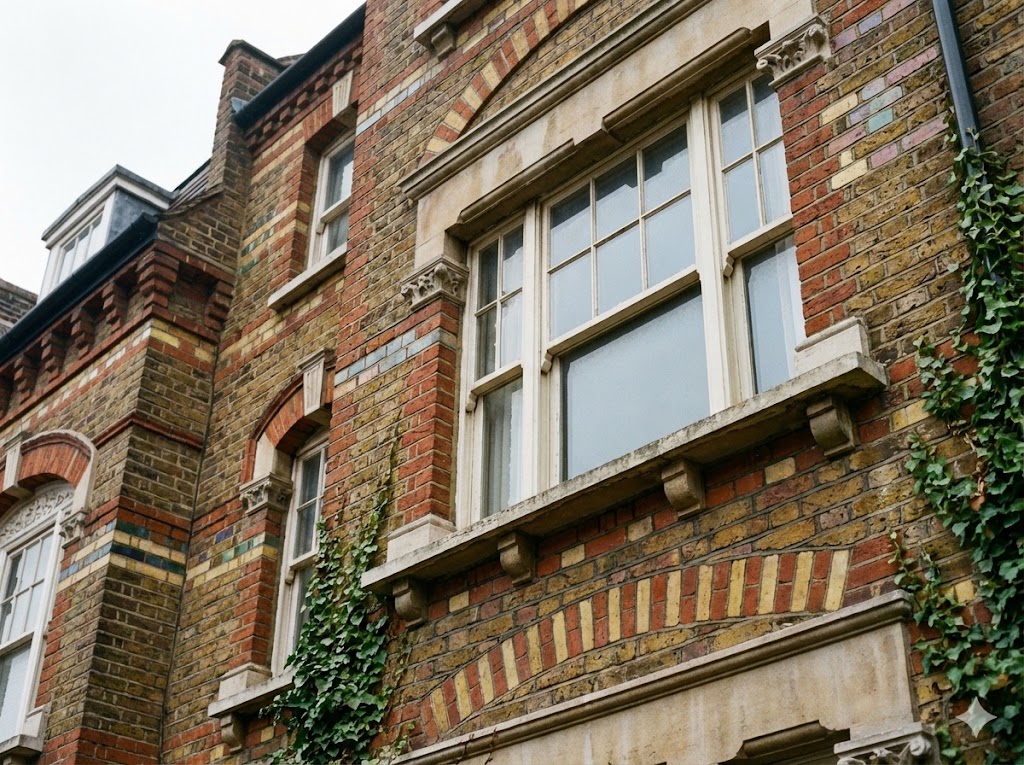
Conservation areas cover parts of Wandsworth, though less extensively than some neighbouring boroughs. Areas around Wandsworth Common, parts of Putney, and sections of Balham fall within protected zones where permitted development rights may be restricted.
The borough's housing stock creates particular patterns. Victorian terraces dominate many areas, with side return extensions and rear additions being common project types. The consistency of the housing stock means established precedents often guide what's considered acceptable.
Neighbour amenity is taken seriously across Wandsworth. Extensions must demonstrate that they won't unacceptably harm light, outlook, or privacy for adjacent properties. The 45-degree rule is frequently applied, and designs need to work within these constraints.
Wandsworth's planning team sees high volumes of householder applications, which has created relatively efficient processes but also means applications need to be well-prepared to proceed smoothly.
What Types of Extensions Usually Get Approved
Wandsworth's housing stock and planning approach support several common extension types.
Rear extensions are frequently approved across the borough. Single-storey additions that respect depth limits and maintain appropriate relationships with neighbours have strong precedent. The council generally approves schemes that stay within the 45-degree rule and don't dominate compact gardens.
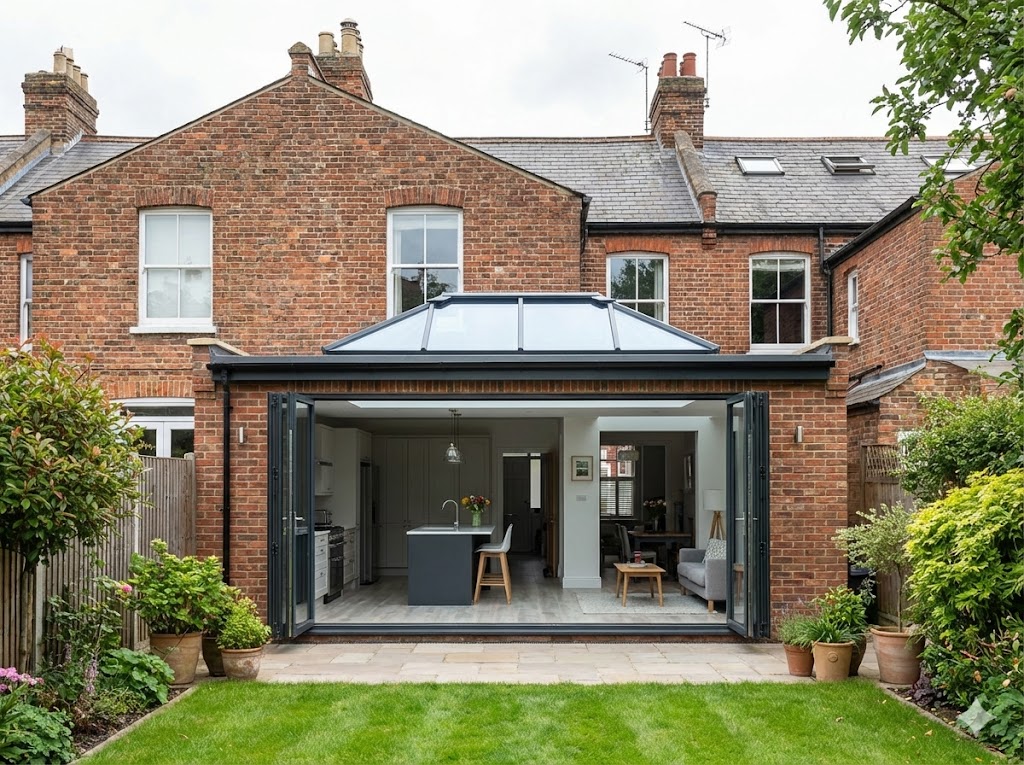
Side return extensions are popular on Victorian terraces throughout Wandsworth. These infill additions make effective use of narrow passages alongside original buildings and typically gain approval when they don't disrupt the streetscape or significantly affect neighbours.
Loft conversions are common across Wandsworth's period housing. Many streets have established dormer patterns, and proposals that follow existing precedent tend to proceed smoothly. Rear dormers are generally preferred to front-facing alterations, though hip-to-gable conversions are also seen on semi-detached properties.
Wrap-around extensions combining side return and rear elements are approved in Wandsworth, though they require full planning permission as permitted development doesn't cover this configuration. These need careful design to avoid excessive impact on neighbours.
Two-storey rear extensions can be approved on appropriate properties, though they face more scrutiny than single-storey additions. Larger houses with deeper gardens have better prospects than compact terraces.
Permitted Development in Wandsworth
Permitted development provides useful flexibility for many Wandsworth homeowners, though important restrictions apply.
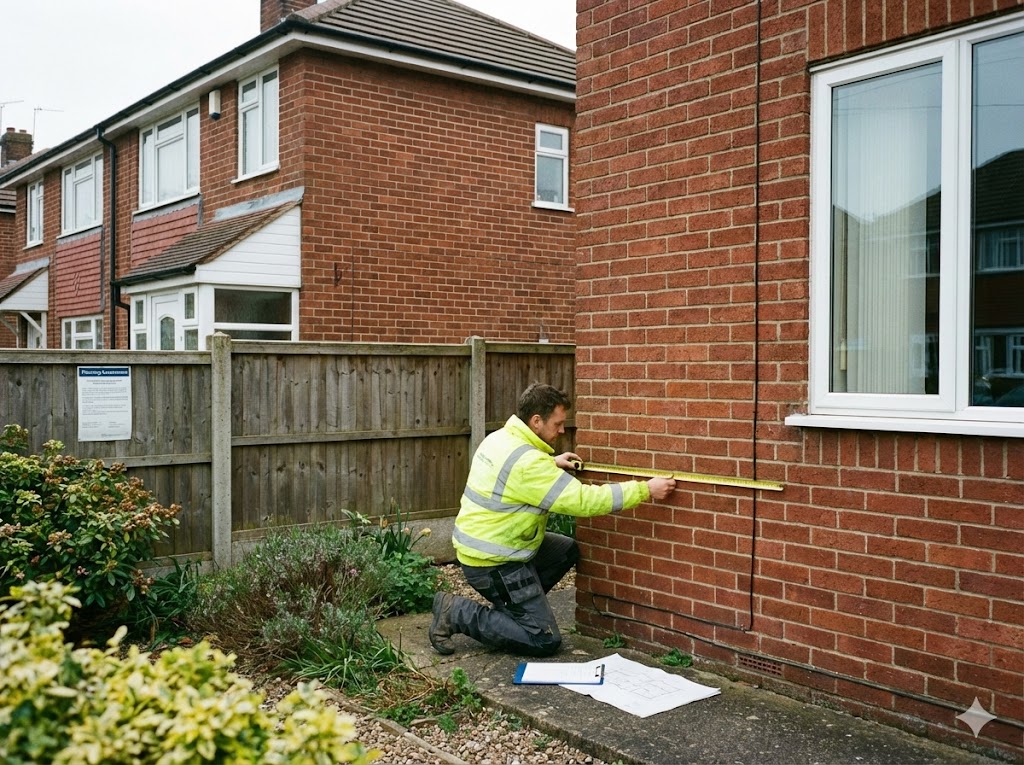
Rear extensions up to certain depths can proceed under permitted development for houses. Detached houses can extend 8 metres under prior approval procedures, while semi-detached and terraced homes have limits of 6 metres and 3 metres respectively for single-storey additions.
Conservation area restrictions affect permitted development in protected zones. Roof extensions, cladding changes, and additions requiring prior approval may need full planning permission within conservation areas.
Flats have no permitted development rights for extensions. If your home is a flat or maisonette, planning permission is required for any external alteration.
Article 4 directions may restrict rights in specific areas, removing automatic permissions for alterations that might otherwise proceed without consent.
Even where permitted development applies, staying within size limits while achieving a practical extension can be challenging. Many worthwhile projects exceed PD allowances and require planning permission.
Confirming your rights before proceeding protects you from enforcement action. A Certificate of Lawful Development provides formal confirmation.
Council Process and What Homeowners Usually Miss
Wandsworth's planning department handles substantial householder application volumes and has developed efficient processes.
Pre-application advice is available for those wanting early guidance. This can be worthwhile for complex schemes or properties in sensitive locations, though many straightforward extensions proceed directly to application.
Householder applications typically aim for eight-week determination. Wandsworth's experience with extension applications means the process often runs smoothly for well-prepared submissions.
Despite Wandsworth's extension-friendly reputation, homeowners still encounter unexpected constraints. Conservation area boundaries, neighbour objection processes, and specific policy requirements can all create complications that weren't anticipated at the concept stage.
Many homeowners assume their project will be straightforward because they've seen similar extensions nearby, only to discover that their specific plot faces different constraints. Each property's circumstances are assessed individually.
The quality of your application affects the process. Clear drawings, appropriate supporting information, and well-considered designs help applications proceed efficiently.


Common Reasons for Refusal in Wandsworth
Despite Wandsworth's active extension culture, applications still face refusal when they don't meet planning requirements.
Loss of light to neighbours causes many refusals. Extensions that would reduce daylight to habitable rooms in adjacent properties fail the council's amenity assessment. The 45-degree rule is routinely applied, and designs must work within this constraint.
Overbearing impact leads to refusals where extensions create an oppressive sense of enclosure for neighbours. This particularly affects compact terraced plots where boundaries are close together.
Excessive scale or bulk undermines applications when extensions dominate the original property or leave insufficient garden space. The council expects additions to remain subordinate to the host building.
Overlooking and privacy concerns cause problems when extensions introduce windows or roof terraces that create sightlines into neighbouring properties. First-floor and roof-level additions face particular scrutiny.
Design that conflicts with local character can lead to refusal in conservation areas or where proposals don't respond to established streetscape patterns. While Wandsworth is generally pragmatic, poor design still faces rejection.

10+
years
Historic planning decisions analysed
300+
Local planning authorities covered
1,000s
Comparable applications reviewed per report
24 hrs
Typical report delivery time straight to your inbox