
Islington Planning Permission
Planning an extension in Richmond upon Thames means navigating some of London's most protective planning policies. This leafy southwest London borough combines high property values with extensive conservation coverage, creating an environment where getting approval requires genuine design quality.
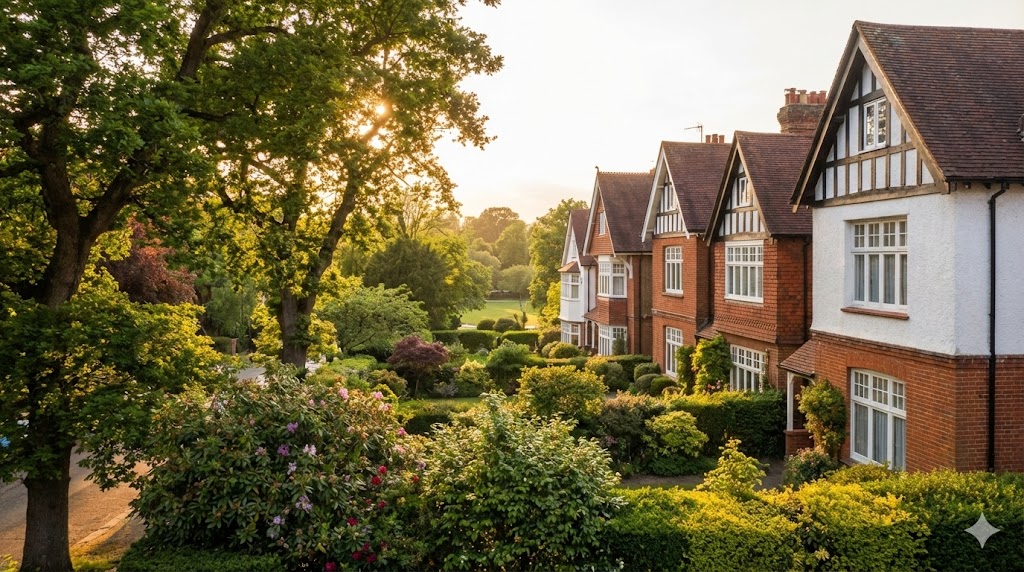
Richmond's housing stock includes elegant Victorian and Edwardian properties, attractive riverside developments, and period homes across areas like Twickenham, Teddington, and East Sheen. The Thames corridor, Richmond Hill, and established village centres all contribute to a distinctive character that the council works hard to preserve.
Homeowners in Richmond often find that proposals which might sail through in other boroughs face detailed scrutiny here. Understanding the local approach early in your planning helps you invest in schemes with genuine approval prospects.
Local Planning Context
Conservation areas cover an exceptionally high proportion of Richmond upon Thames. The borough maintains over seventy designated zones, protecting established residential areas, historic town centres, and riverside settings. Most homeowners will find their property falls within or close to a conservation area, bringing additional requirements for any visible alteration.
The Thames corridor receives particular protection. Properties with river views, those visible from the water, or those affecting the setting of the river face strict assessment. Richmond Hill's protected view, a rare designated vista in London, adds another layer of sensitivity for properties in that area.
Green spaces are integral to Richmond's character. The borough contains Richmond Park, Kew Gardens, and numerous smaller open spaces that influence planning decisions for nearby properties. Proposals that would harm the setting of these assets face strong resistance.
Design standards across the borough are high. The council expects new work to demonstrate understanding of local architectural character and to use materials and details appropriate to the setting. Generic solutions that don't respond to context struggle in Richmond's planning environment.
What Types of Extensions Usually Get Approved
Extensions succeed in Richmond when they combine quality design with sensitivity to neighbours and local character.
Single-storey rear extensions are regularly approved when they remain modest in scale and maintain appropriate distances from boundaries. The council assesses proposals for impact on neighbour amenity, and designs that protect light and outlook to adjacent properties fare better.
Loft conversions have good precedent across Richmond's Victorian and Edwardian housing stock. Rear dormers are generally more acceptable than front-facing alterations, and the council prefers designs that maintain the original roofline profile when viewed from the street.
Side extensions on semi-detached and detached properties can be approved where they maintain gaps between buildings and don't dominate the original dwelling. Richmond's suburban character includes space between properties, and schemes that preserve this rhythm tend to be viewed more favourably.
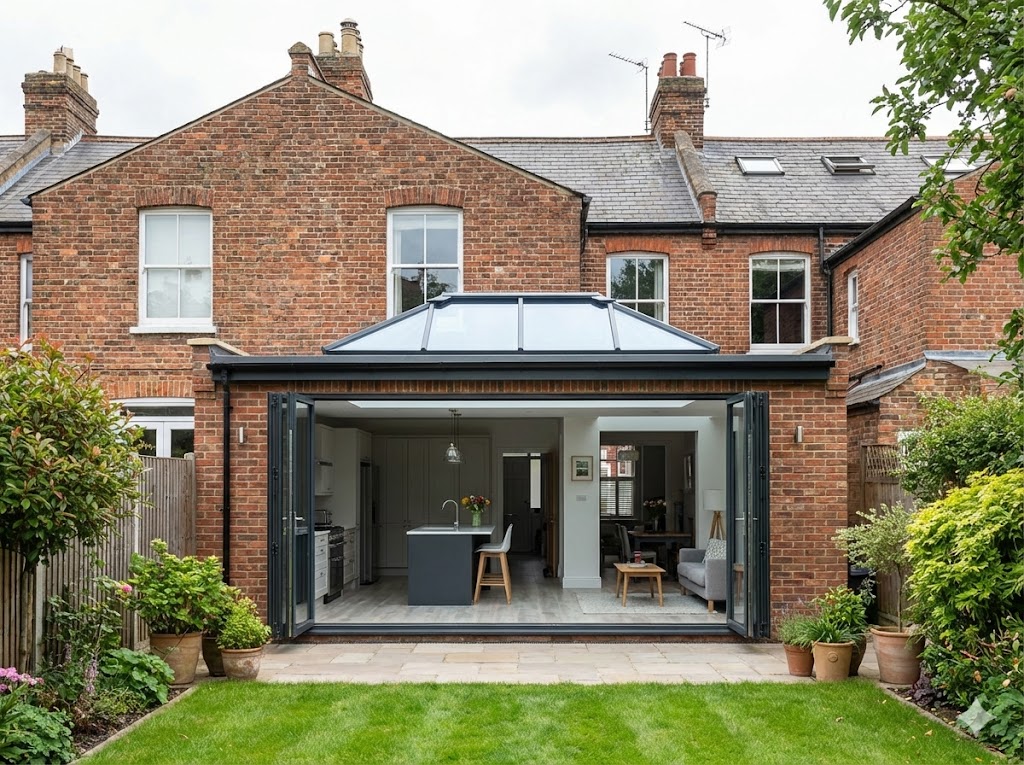
Orangery-style extensions with traditional proportions and sympathetic materials often work well in Richmond's period property context. The council responds positively to designs that reference established architectural language rather than introducing stark contrasts.
Permitted Development in Richmond
Permitted development rights are substantially restricted across Richmond, making planning permission necessary for many projects that would be automatic elsewhere.
Conservation area restrictions affect the majority of properties. With over seventy conservation areas, most homeowners find their permitted development rights are limited or removed. Roof extensions, cladding, and visible additions typically require consent.
Article 4 directions further restrict rights in specified areas. Changes to windows, doors, and front boundaries commonly require permission in covered zones.
The borough's character as a low-density, green suburb means development pressure faces particular scrutiny. Even where PD rights technically apply, the council monitors compliance carefully.
Flats and converted properties have no permitted development rights for extensions. Given the variety of property types in Richmond, many residents need planning permission regardless of other considerations.
Before assuming any work is permitted, checking with the council or obtaining a Certificate of Lawful Development provides certainty.
Council Process and What Homeowners Usually Miss
Richmond's planning team applies careful assessment to applications, reflecting the borough's character and resident expectations.
Pre-application advice is particularly valuable in Richmond. The council offers detailed pre-app services, and given extensive conservation coverage and high design expectations, early engagement can clarify whether your proposal is fundamentally viable.
Householder applications typically take around eight weeks, though heritage consultations or neighbour concerns can extend this period. The council manages a significant caseload while maintaining thorough assessment.
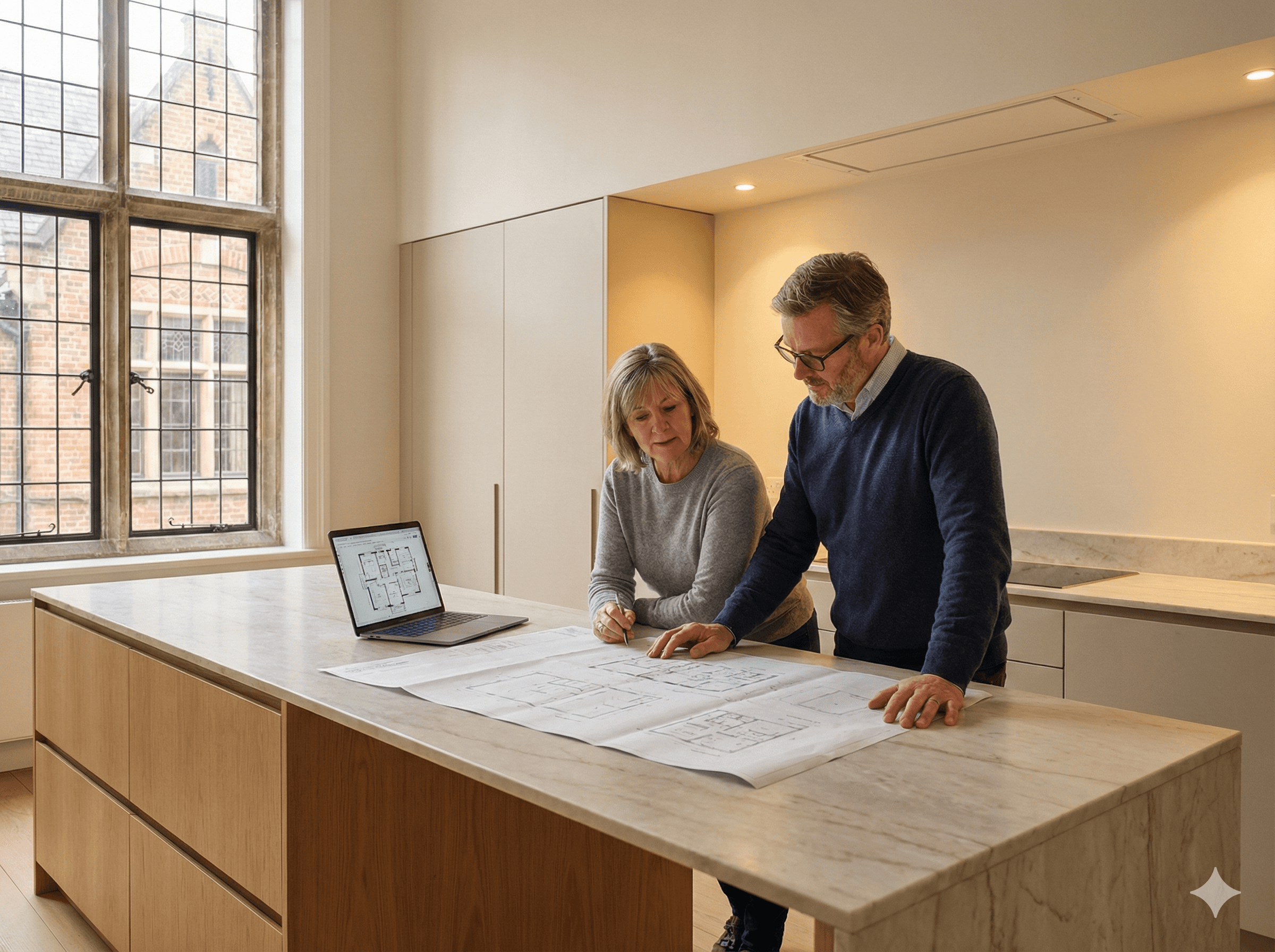
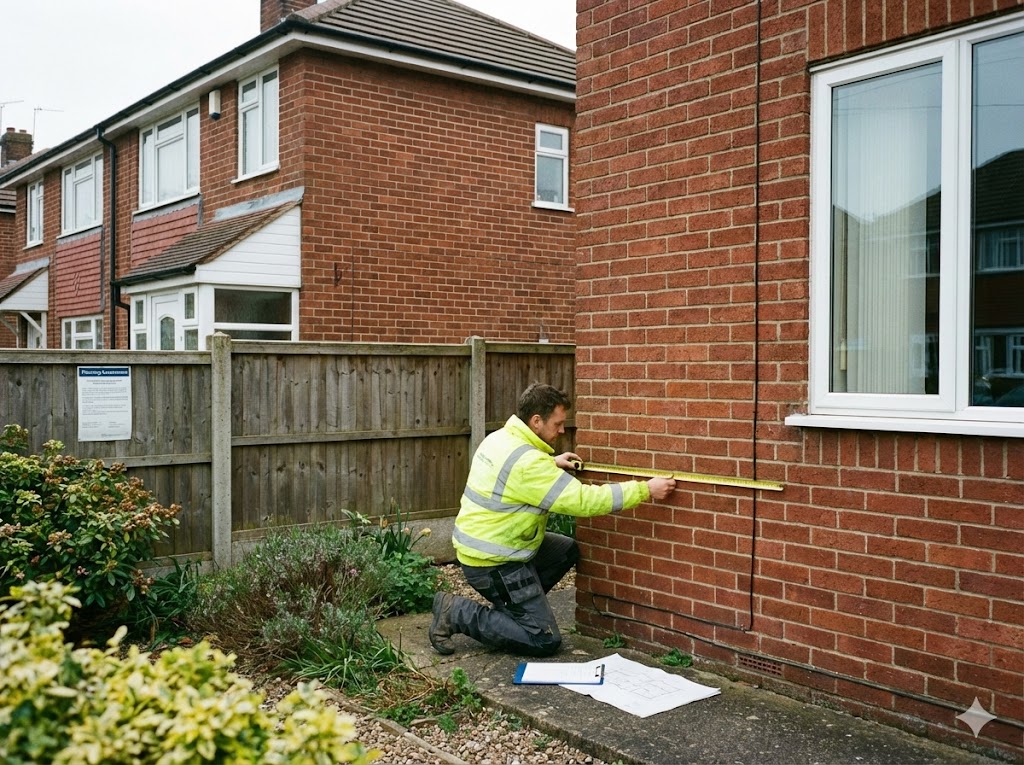
Many homeowners commission drawings before understanding the specific policies affecting their property. Conservation area design guidance, protected view considerations, or neighbour amenity constraints may not be apparent until the application stage. Identifying these issues early saves redesign costs.
Application quality influences outcomes in Richmond. Submissions that include thoughtful design statements and demonstrate genuine engagement with local character receive more constructive officer response than minimal applications.


Common Reasons for Refusal in Richmond
Understanding why applications fail in Richmond helps you design around the council's key concerns.
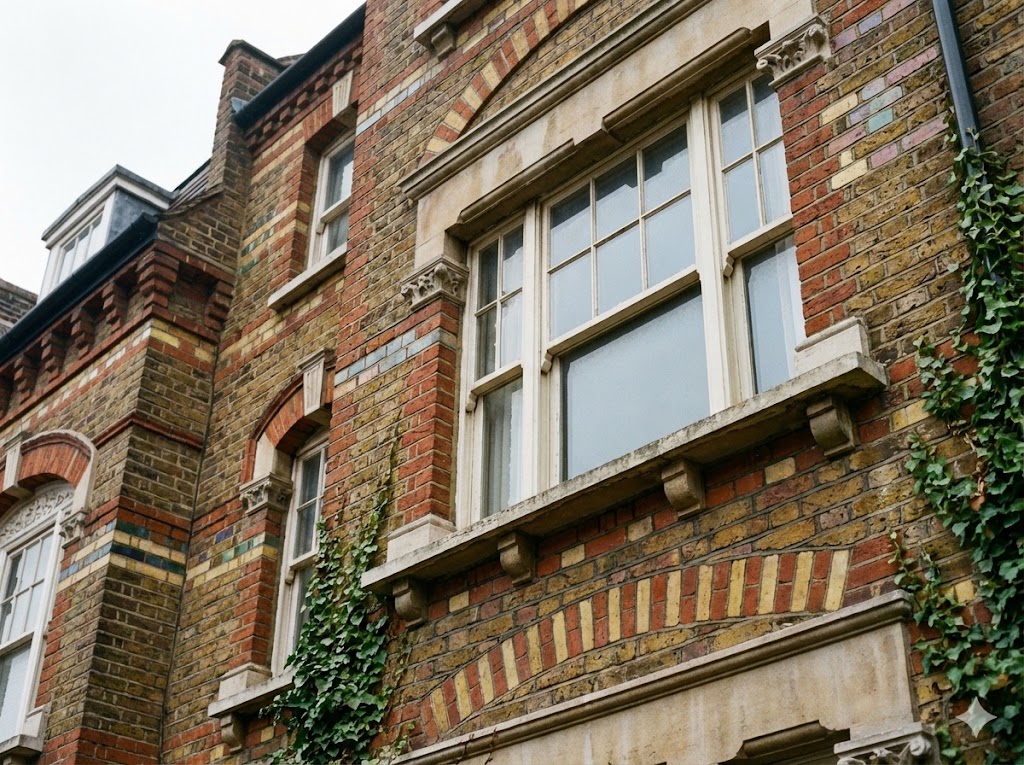
Harm to conservation area character drives many refusals. Richmond's extensive conservation coverage means most proposals face heritage assessment. Extensions using inappropriate materials, proportions that don't relate to the host building, or designs that disrupt streetscape character are commonly refused.
Impact on protected views and settings causes refusals for properties affecting the Thames corridor, Richmond Hill, or the environs of significant green spaces. The council protects views and settings rigorously, and proposals that harm these assets face rejection.
Loss of light and outlook to neighbouring properties leads to refusals in residential areas. Extensions that would materially reduce daylight to habitable rooms or create an oppressive relationship with neighbouring gardens fail amenity assessment.
Overdevelopment of plots causes problems when proposals leave insufficient garden space or appear to maximise development at the expense of residential character. Richmond values spacious settings, and schemes that crowd plots are resisted.
Poor design quality undermines applications that don't engage with local architectural character. The council expects designs tailored to their specific context, not generic solutions imported from elsewhere.
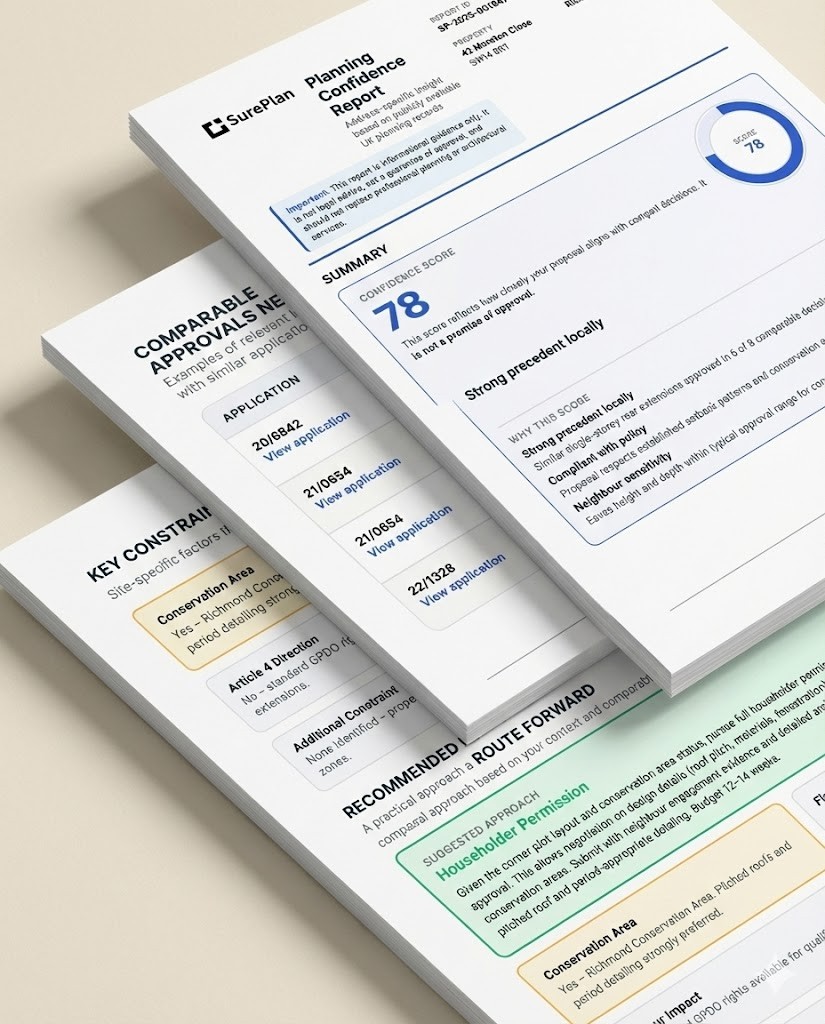

10+
years
Historic planning decisions analysed
300+
Local planning authorities covered
1,000s
Comparable applications reviewed per report
24 hrs
Typical report delivery time straight to your inbox