
Islington Planning Permission
If you're considering an extension in Islington, you're working in a borough known for stringent design standards and extensive heritage protection. The planning approach here reflects the area's architectural quality and dense residential character.
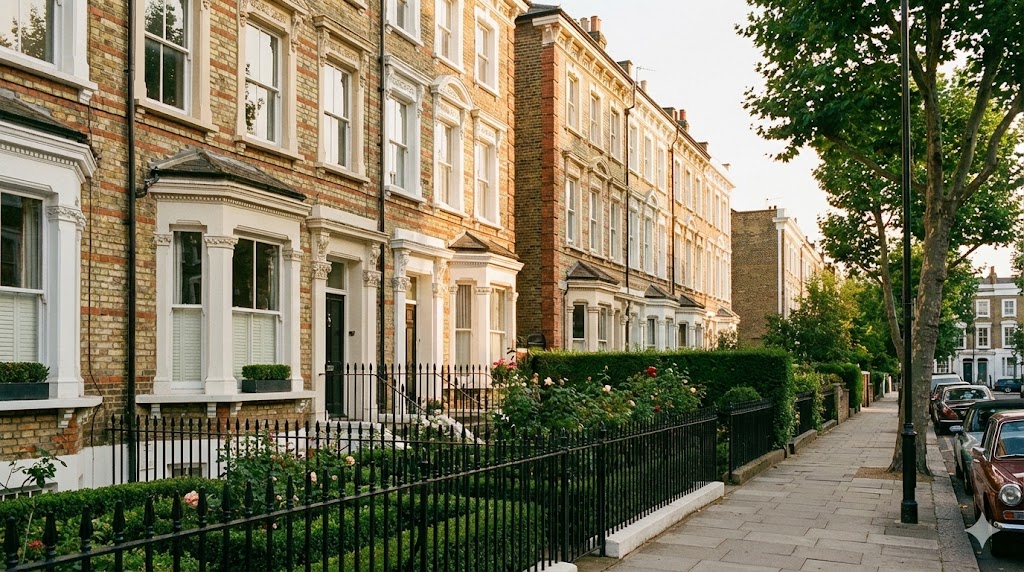
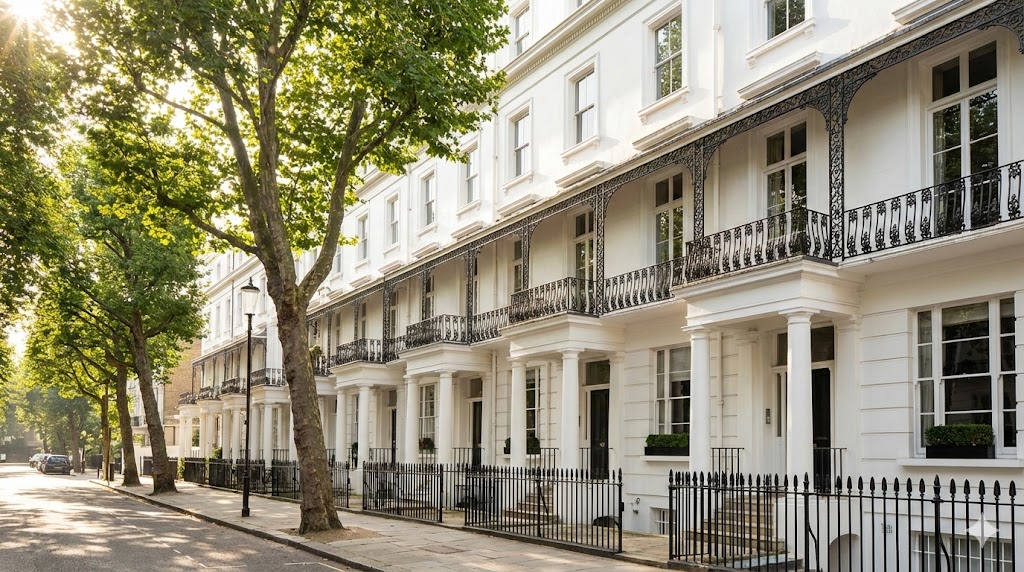
Islington's housing stock is dominated by Georgian and Victorian terraces, many of exceptional quality. Streets in Barnsbury, Canonbury, and Highbury contain some of London's finest period housing, while areas like Holloway and Finsbury offer a mix of Victorian properties and later developments. This consistent architectural character means the council applies careful scrutiny to ensure new work respects established patterns.
What works in suburban London often doesn't translate to Islington. Understanding the borough's particular sensitivities before investing in designs can save considerable time and expense.
Local Planning Context
Conservation areas blanket much of Islington. The borough has more than forty designated zones, making it one of the most comprehensively protected local authorities in London. If your property falls within a conservation area, which many do, permitted development rights are restricted and proposals face additional heritage scrutiny.
Islington has implemented specific basement development policies, recognising the impact major excavation can have on neighbouring properties and local infrastructure. Proposals for new basements or significant basement extensions must satisfy detailed requirements covering structural integrity, construction management, and neighbouring impact.
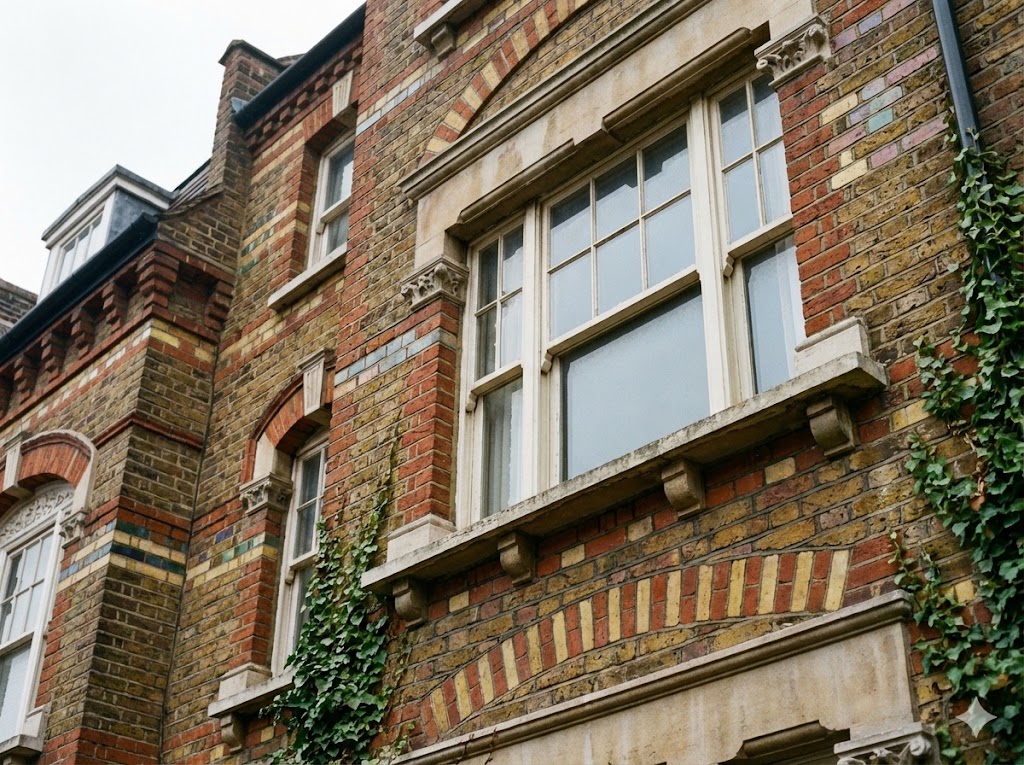
The council maintains strict design standards across the borough. New work is expected to respond to local character, using materials and details that complement rather than contrast with period properties. Generic designs or those that could sit anywhere tend to struggle in Islington's context-sensitive planning environment.
Density shapes many planning decisions here. Victorian terraces often sit close together with compact rear gardens. The council assesses extensions carefully for impacts on neighbours, recognising that what seems a modest addition can significantly affect light, privacy, and outlook for adjacent residents.
What Types of Extensions Usually Get Approved
Extensions gain approval in Islington when they demonstrate genuine design quality and protect neighbouring amenity.
Single-storey rear extensions have good approval prospects when they remain proportionate to the host building and maintain adequate light to neighbours. The council often applies the 45-degree rule from neighbouring windows, so designs need to work within this constraint.
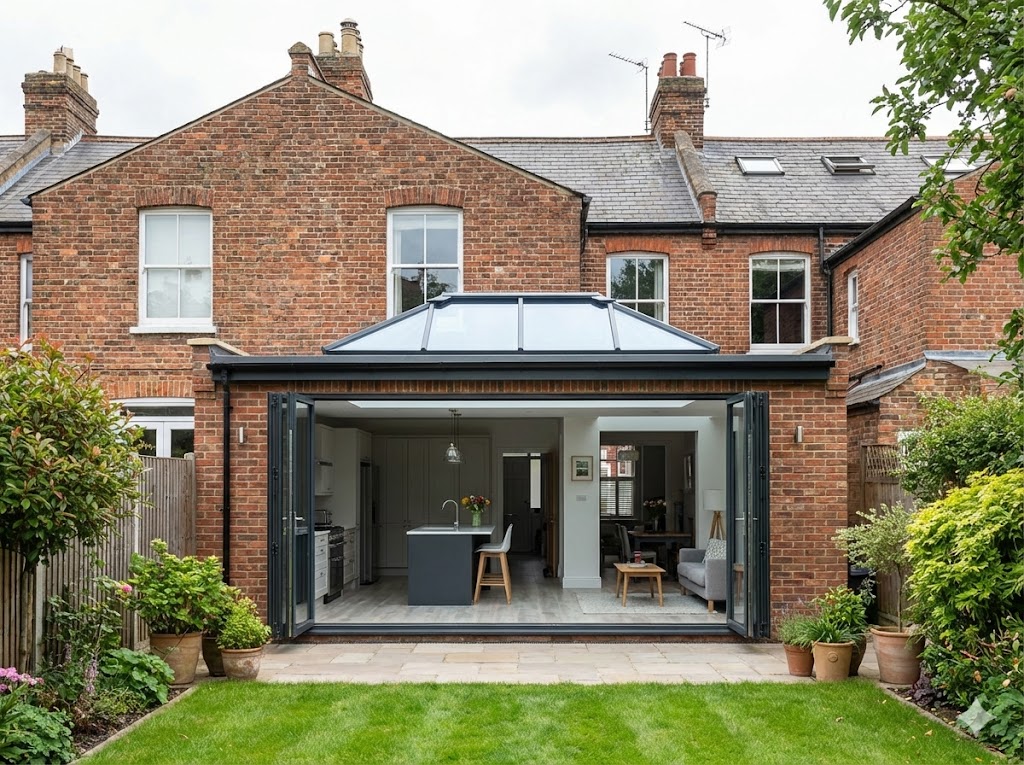
Side return extensions are popular on Islington's Victorian terraces, where narrow passages offer infill opportunities. These typically succeed when they don't disrupt the established building line or introduce prominent features visible from public areas.
Loft conversions are common across the borough, with many terraces having precedents for dormer additions. Rear dormers are generally more acceptable than front-facing alterations. The council prefers designs that maintain the roofline rhythm of the street and don't introduce oversized or boxy additions.
Internal alterations proceed relatively smoothly in Islington, particularly where they don't affect the external appearance. Opening up ground floors, reconfiguring layouts, and improving internal spaces typically raise fewer concerns than extending the building footprint.
Permitted Development in Islington
Permitted development rights are significantly restricted across Islington, and many homeowners have less flexibility than they expect.
Conservation area coverage means most properties face removed or limited PD rights. Roof alterations, prominent extensions, and changes visible from public areas typically require consent in the forty-plus conservation areas covering the borough.
Flats and converted buildings have no permitted development rights for extensions. Given Islington's high proportion of flatted and converted properties, many residents need planning permission for any external alteration.
Article 4 directions further restrict rights in specified locations. Front boundary treatments, window changes, and minor alterations that might be permitted elsewhere require explicit consent in covered areas.
Even where PD rights technically exist, Islington's terraced housing often limits practical options. Compact plots and close proximity to neighbours mean size thresholds can be exceeded quickly.
The safest approach is to verify your rights with the council or obtain a Certificate of Lawful Development before assuming any work is automatically permitted.
Council Process and What Homeowners Usually Miss
Islington's planning department handles applications with attention to design quality and conservation impact.
Pre-application advice is particularly worthwhile in Islington. The council offers detailed pre-app services, and given the strength of local policies, early engagement can identify whether your proposal is fundamentally workable before you commit to full designs.
Householder applications typically target eight-week determination, though conservation area consultations or objections from neighbours can extend timescales. Complex proposals may require additional officer assessment.
Many homeowners discover conservation area restrictions or design concerns only after commissioning drawings. An extension concept that seemed reasonable might not work within the council's established design guidance for your conservation area. Identifying constraints early prevents expensive redesign later.
Application quality matters in Islington. Well-presented submissions with clear design rationale and heritage impact assessments tend to receive more constructive engagement than minimal applications. The council expects applicants to demonstrate they understand local character.


Common Reasons for Refusal in Camden
Islington's refusal patterns reveal the council's priorities. Understanding these helps you design a proposal that addresses key concerns.
Harm to conservation area character is the most common refusal reason. The council expects proposals to demonstrate clear understanding of local architectural character and show how new work will preserve or enhance the conservation area. Designs that introduce incongruous materials, proportions, or details face rejection.
Impact on neighbouring amenity causes many refusals in densely built Islington. Extensions that would reduce natural light to habitable rooms, create overlooking, or produce an overbearing sense of enclosure fail the council's amenity assessment.
Excessive bulk or mass leads to refusals when proposals don't sit subordinately with the host building. Extensions should complement rather than dominate the original property. Schemes that add significant volume or disrupt established proportions struggle to gain approval.
Inadequate design response undermines applications that don't engage with local context. The council wants to see that applicants have considered the specific character of their street and designed accordingly. Off-the-shelf solutions that could work anywhere aren't sufficient for Islington.
Basement development concerns lead to refusals where proposals don't meet the council's detailed policy requirements. Structural assessments, construction management plans, and neighbour impact considerations must all be adequately addressed.

10+
years
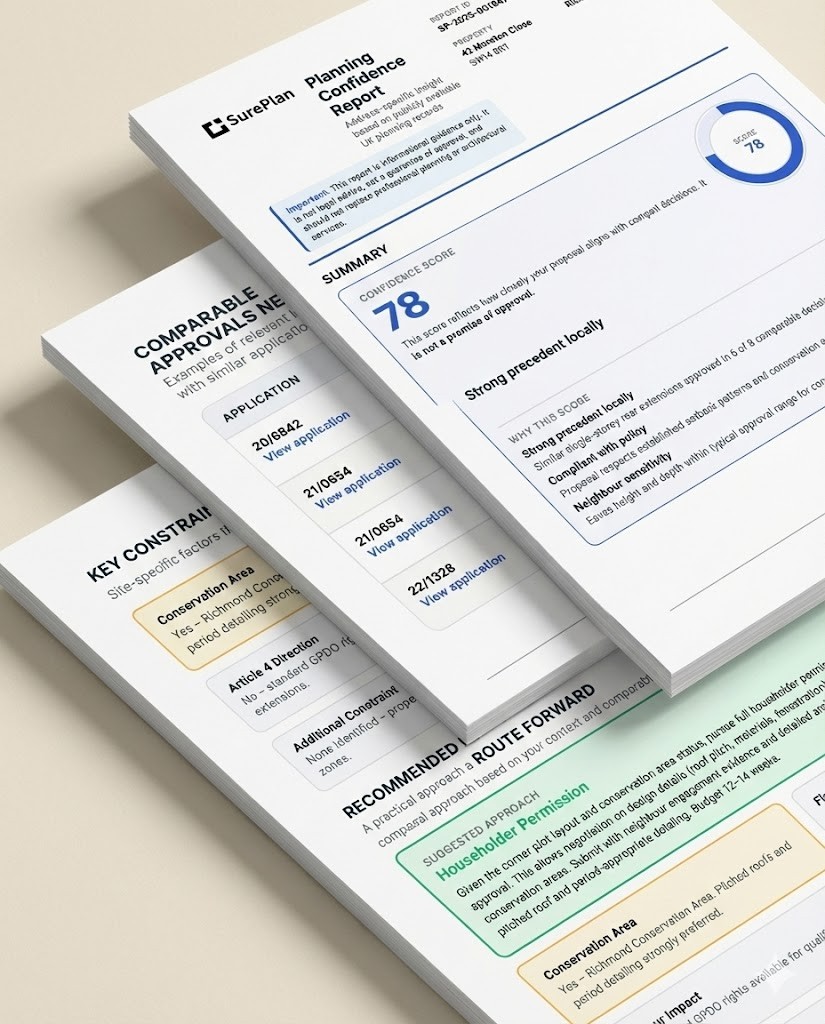
Historic planning decisions analysed
300+
Local planning authorities covered
1,000s
Comparable applications reviewed per report
24 hrs
Typical report delivery time straight to your inbox