
Hackney Planning Permission
Planning an extension in Hackney means working in a borough where design sensitivity meets diverse housing stock. The area's Victorian terraces sit alongside warehouse conversions and modern developments, creating varied planning contexts across different neighbourhoods.
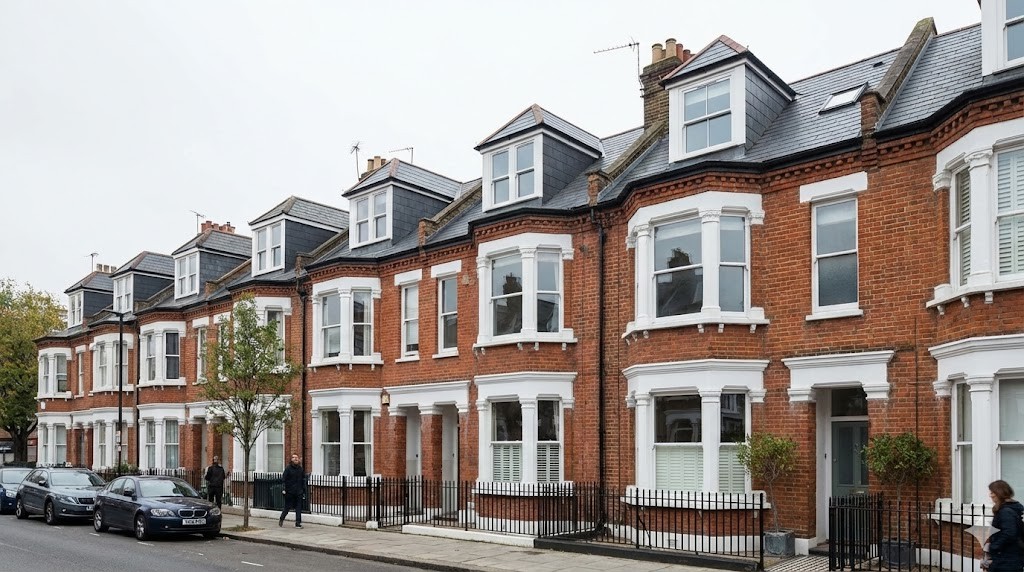
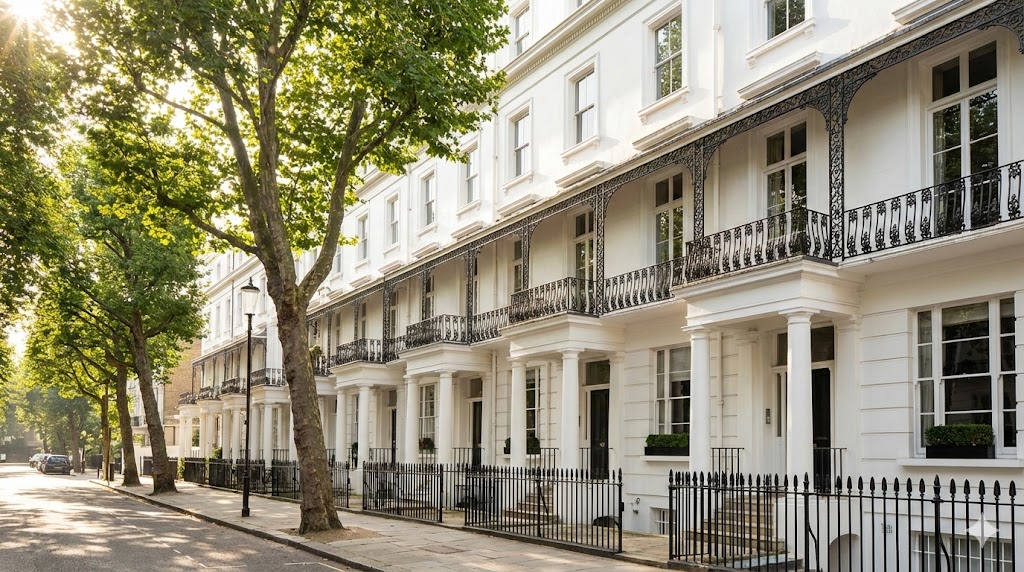
Hackney's residential character reflects its evolution from Victorian suburb to contemporary inner-city borough. Period terraces in Stoke Newington, De Beauvoir, and London Fields remain highly sought after, while areas like Dalston and Shoreditch have seen significant regeneration and new development. This diversity means planning outcomes can differ substantially depending on your specific location.
The borough balances heritage protection with pragmatic approaches to residential improvement. Understanding which policies apply to your property and how the council typically assesses proposals in your area helps you design a project with genuine approval prospects.
Planning in Hackney
Conservation areas cover significant portions of Hackney, particularly in established residential neighbourhoods. Stoke Newington, Clapton, De Beauvoir, and Dalston all contain protected zones where additional scrutiny applies to visible alterations. Many of the borough's most desirable streets fall within conservation areas.
Article 4 directions affect numerous parts of Hackney, removing permitted development rights for alterations that might otherwise proceed automatically. These directions commonly affect roof alterations, window changes, and front boundary modifications. Many homeowners discover their property is covered only when they investigate their permitted development rights.
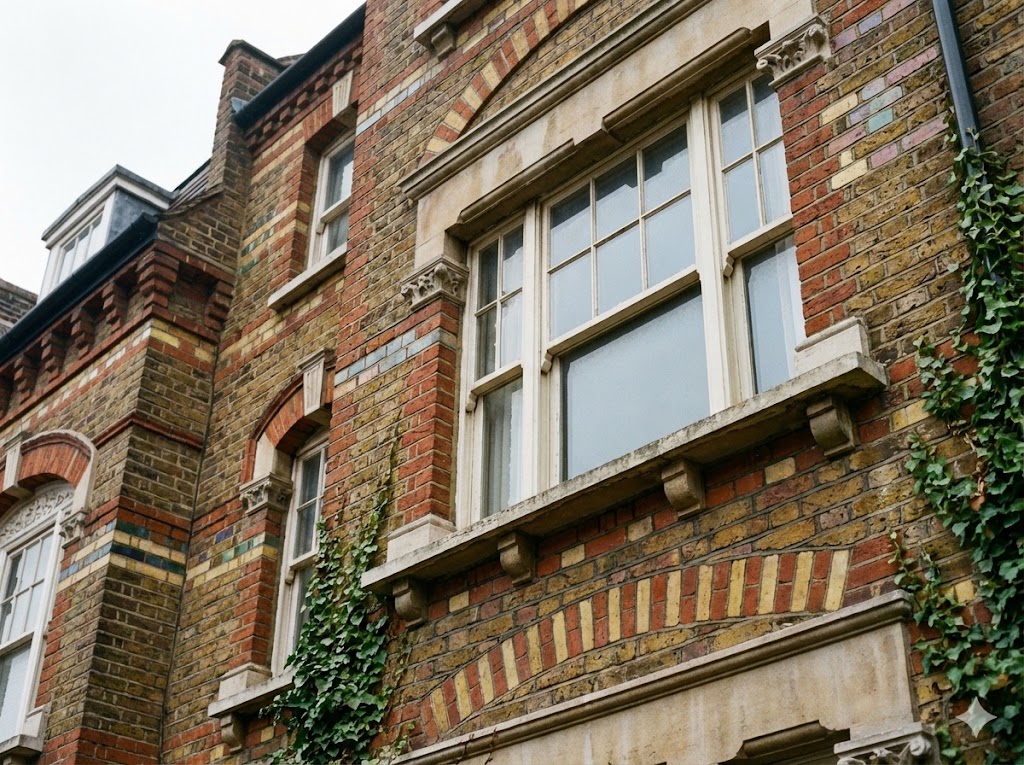
Design sensitivity is a consistent theme across Hackney's planning approach. The council expects proposals to respond to local character, whether that's Victorian terrace detailing, warehouse conversion aesthetics, or contemporary design language appropriate to newer development areas.
The density of Hackney's housing creates important neighbour amenity considerations. Terraced properties share party walls with both neighbours, and rear gardens can be compact. Extensions must demonstrate they won't unacceptably harm light, outlook, or privacy for adjacent residents.
What Types of Extensions Usually Get Approved in Hackney
Extensions in Hackney succeed when they demonstrate design quality and protect neighbouring amenity.
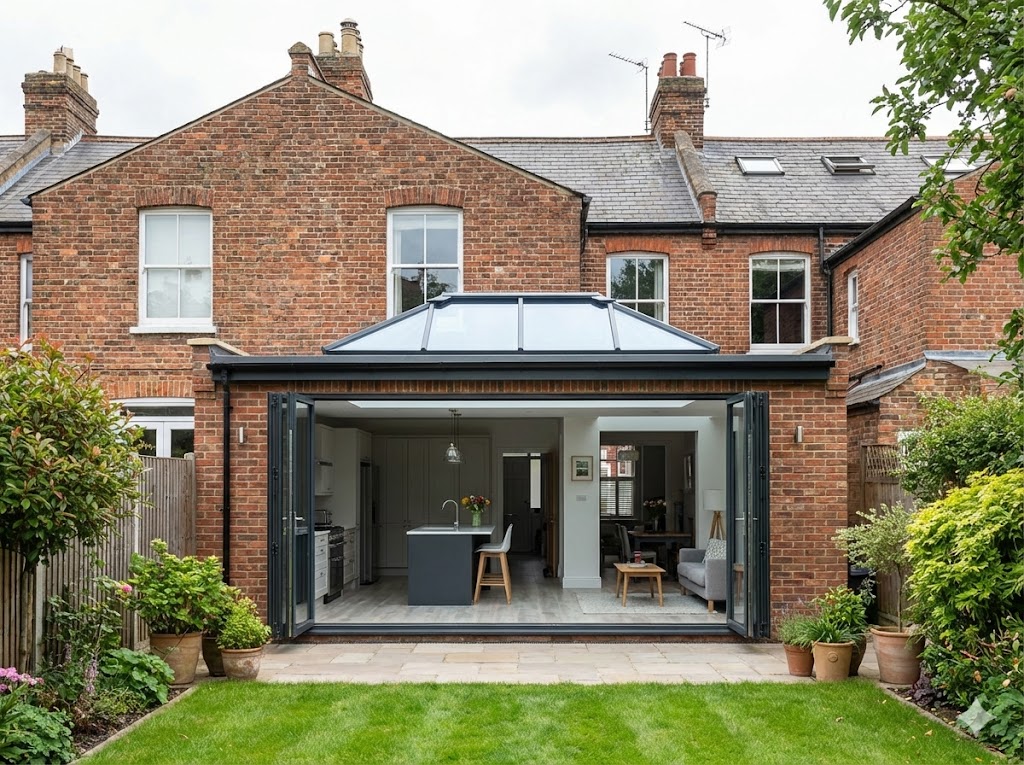
Rear extensions are commonly approved across the borough's Victorian terraced housing. Single-storey additions that respect appropriate depths and maintain adequate light to neighbours have good precedent. The council typically applies the 45-degree rule from neighbouring windows when assessing impact.
Side return extensions work well on Victorian terraces where a narrow passage runs alongside the original building. These infill additions are popular throughout Hackney and tend to gain approval when they don't introduce features that disrupt the established streetscape.
Loft conversions have strong precedent on Hackney's period terraces. Rear dormers are generally more acceptable than front-facing alterations, and many streets have established patterns of dormer additions that guide what's considered appropriate. Hip-to-gable conversions with rear dormers are common on end-of-terrace properties.
Lower-ground floor extensions can work on properties with existing basement or lower-ground accommodation, though proposals affecting structural stability or neighbouring foundations face careful assessment.
Warehouse and conversion properties present different opportunities. Extensions to these buildings need to respect their industrial character while meeting residential requirements.
Permitted Development in Hackney
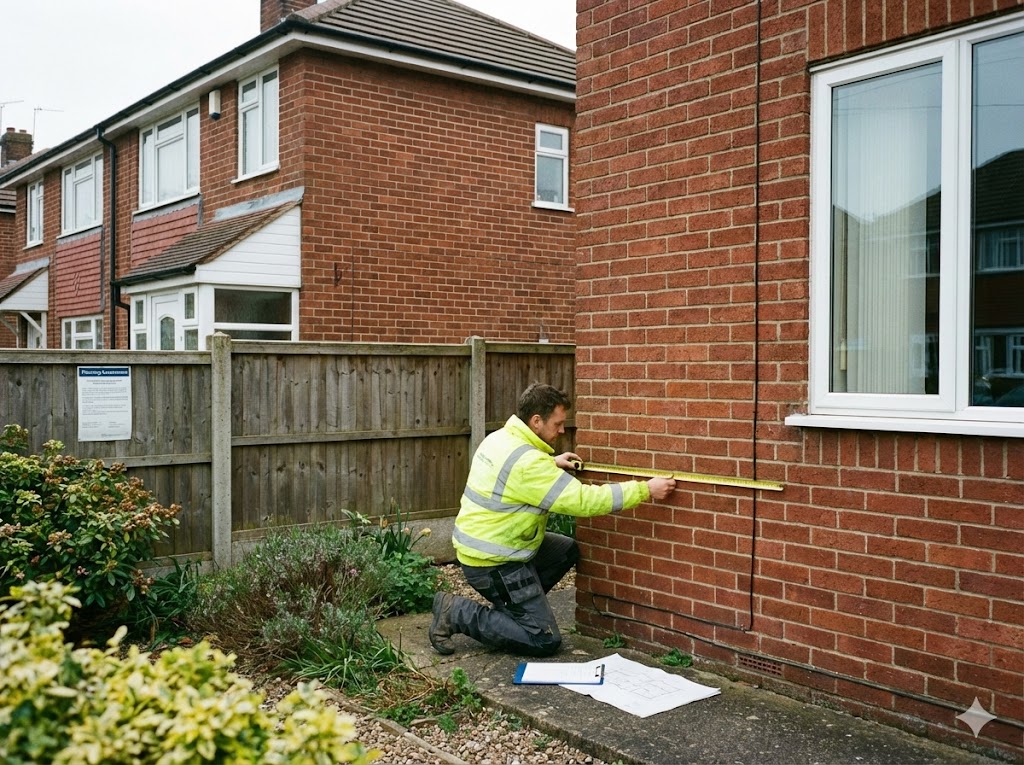
Permitted development rights are substantially restricted across Hackney, and many homeowners have less automatic flexibility than they expect.
Conservation area restrictions affect numerous properties. Roof extensions, cladding changes, and prominent additions typically require consent in the protected zones covering substantial parts of the borough.
Article 4 directions further limit rights in specified areas. Many Victorian terraced streets are covered by directions that remove automatic permissions for roof alterations, window changes, and other external modifications.
Flats and converted properties have no permitted development rights for extensions. Given Hackney's significant stock of flatted and converted buildings, many residents need planning permission for any external work.
Even on houses where some PD rights exist, the tight configuration of Victorian terraces means meaningful extensions often exceed what's automatically allowed.
Before assuming any work is permitted, checking with the council or obtaining a Certificate of Lawful Development provides essential certainty.
Council Process and What Homeowners Usually Miss
Hackney's planning department manages substantial application volumes while maintaining design-focused assessment.
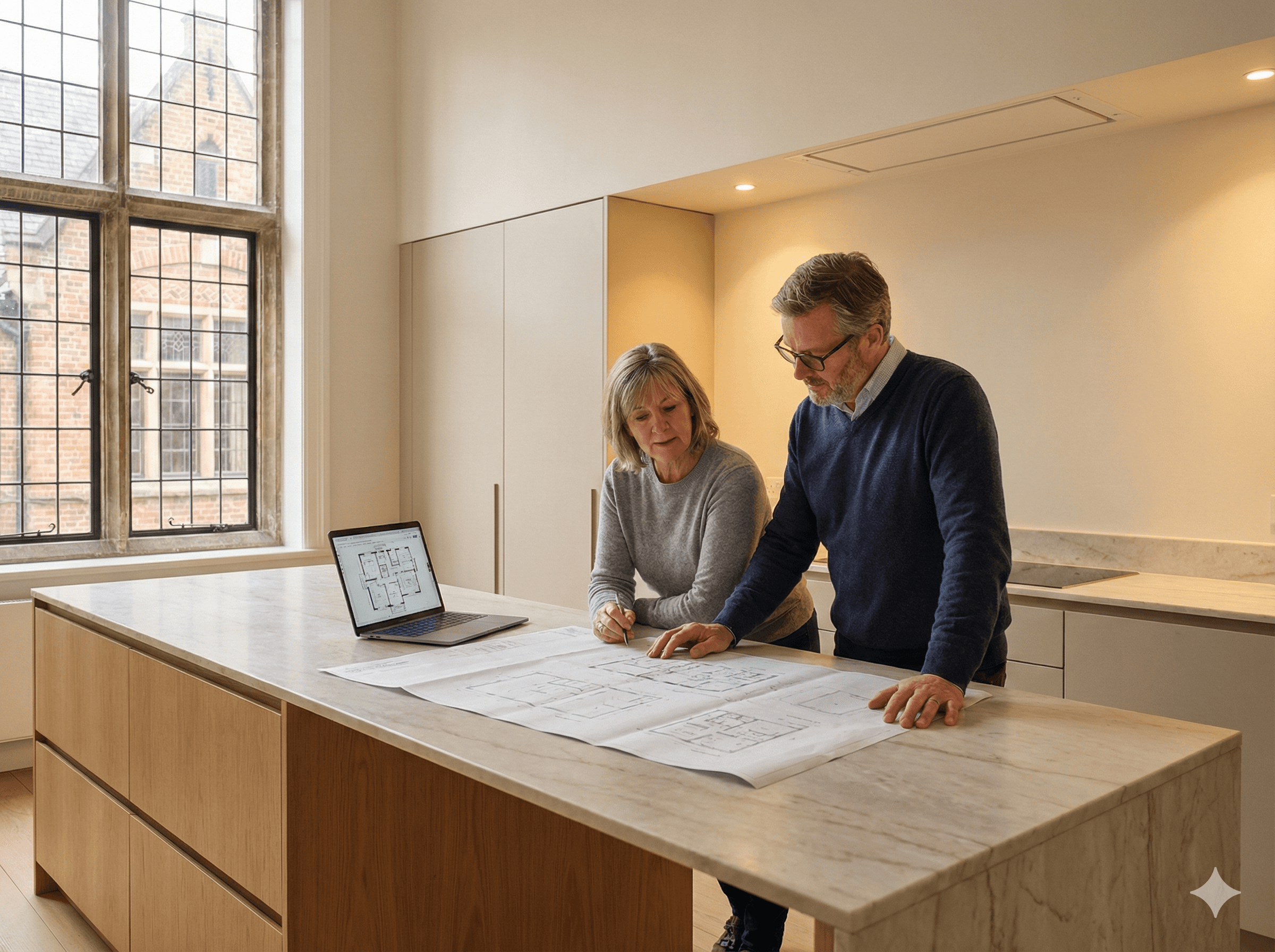
Pre-application advice is available and can be worthwhile for complex proposals or properties in sensitive locations. The council's planners can identify likely issues before you invest in detailed designs.
Householder applications typically aim for eight-week determination, though conservation area consultations or neighbour objections can extend this period. Well-prepared applications tend to proceed more efficiently.
Many homeowners discover Article 4 restrictions or conservation area policies only after commissioning designs. An extension concept that seemed straightforward might conflict with local guidance that wasn't initially apparent. A loft conversion that would be permitted development elsewhere might need full planning permission in Hackney.
The council places value on design quality. Applications that demonstrate genuine understanding of local character and explain how proposals respond to context tend to receive more constructive engagement than minimal submissions.


Common Reasons for Refusal in Hackney
Understanding why applications fail helps you design around the council's concerns.
Loss of light to neighbours is a frequent refusal reason in Hackney's tightly configured housing. Extensions that would materially reduce daylight to habitable rooms in adjacent properties fail the council's amenity assessment. The 45-degree rule is routinely applied.
Harm to conservation area character affects applications in protected zones covering much of residential Hackney. The council expects designs to complement local architectural character, and proposals using inappropriate materials, proportions, or details face refusal.
Overbearing impact causes problems when extensions create an oppressive sense of enclosure for neighbours. In compact terraced streets, even single-storey additions can have this effect if they're positioned too close to boundary windows.
Failure to respond to local character undermines applications that don't engage with their specific context. Generic designs that could sit anywhere don't demonstrate the understanding of place that Hackney's planning policies require.
Impact on Article 4 areas catches homeowners who assume permitted development applies when it doesn't. Proposals for roof alterations or external changes in Article 4 zones require full planning permission and face standard scrutiny.

10+
years
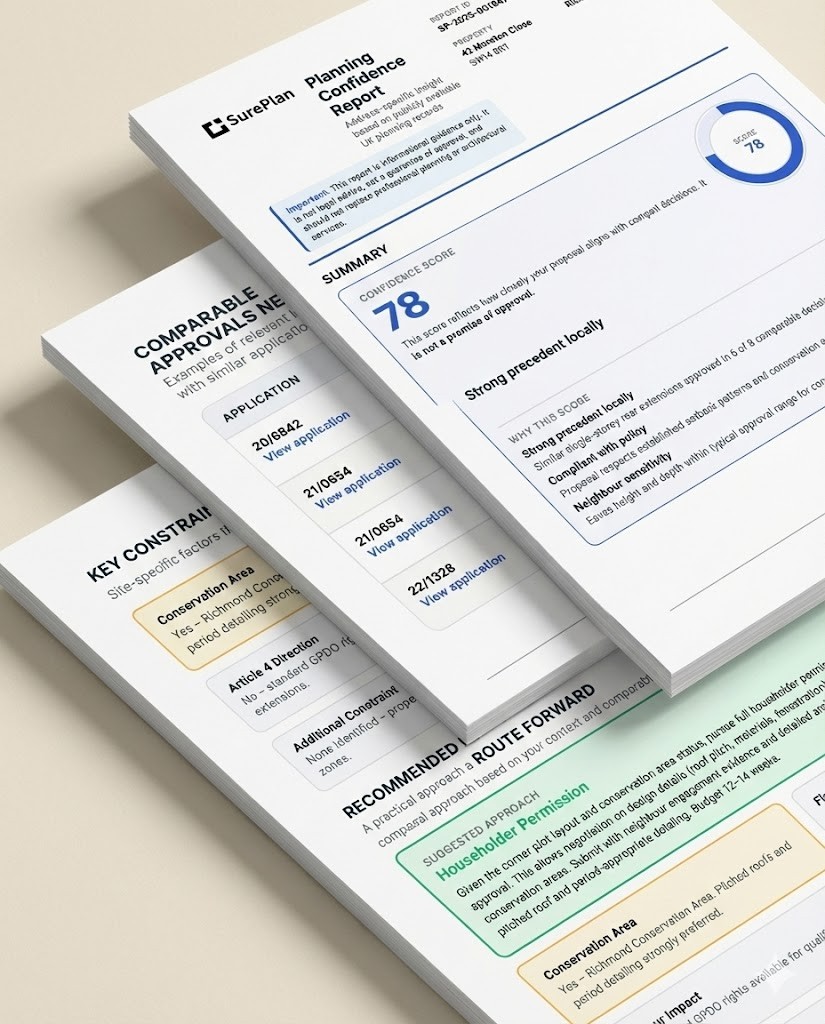
Historic planning decisions analysed
300+
Local planning authorities covered
1,000s
Comparable applications reviewed per report
24 hrs
Typical report delivery time straight to your inbox