
Camden Planning Permission
Extending your home in Camden means working within a borough that balances strong heritage protection with some of London's most diverse housing stock. What gets approved here depends heavily on your specific location and property type.
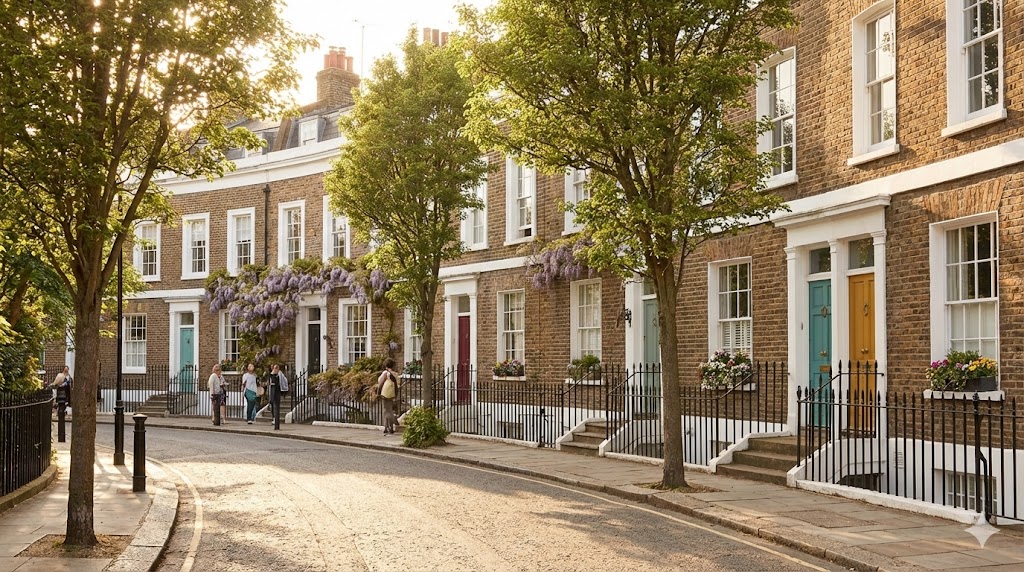
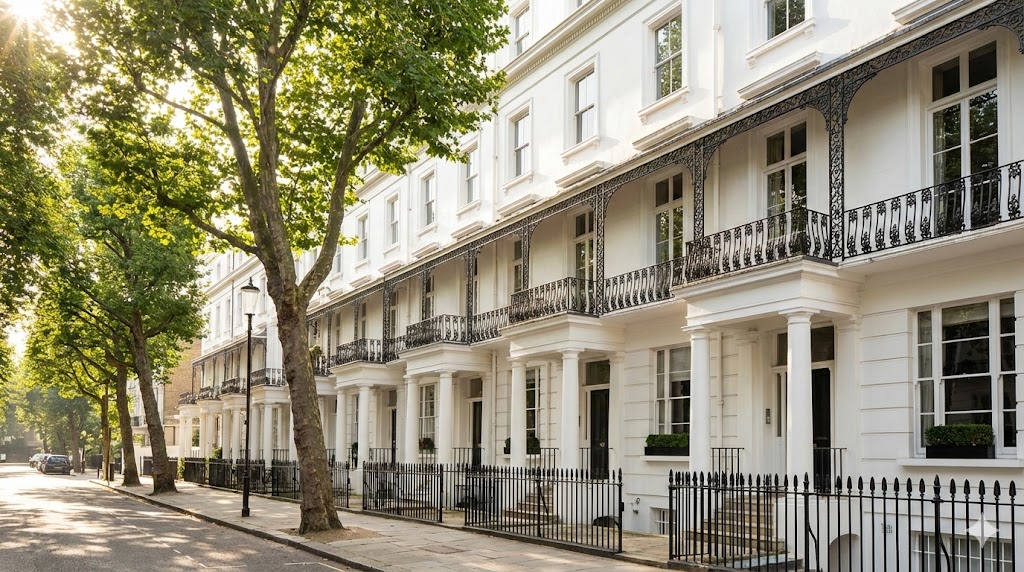
Camden's residential character ranges from elegant Georgian terraces in Bloomsbury and Primrose Hill to Victorian conversions in Kentish Town and modern developments around King's Cross. This variety means planning outcomes can differ dramatically from one neighbourhood to another. The council operates with well-developed local policies that homeowners need to understand before committing to a project.
Many Camden residents assume national permitted development rules give them flexibility to extend, only to discover that local restrictions significantly narrow what's possible. Getting clarity early prevents expensive surprises later.
Local Planning Context
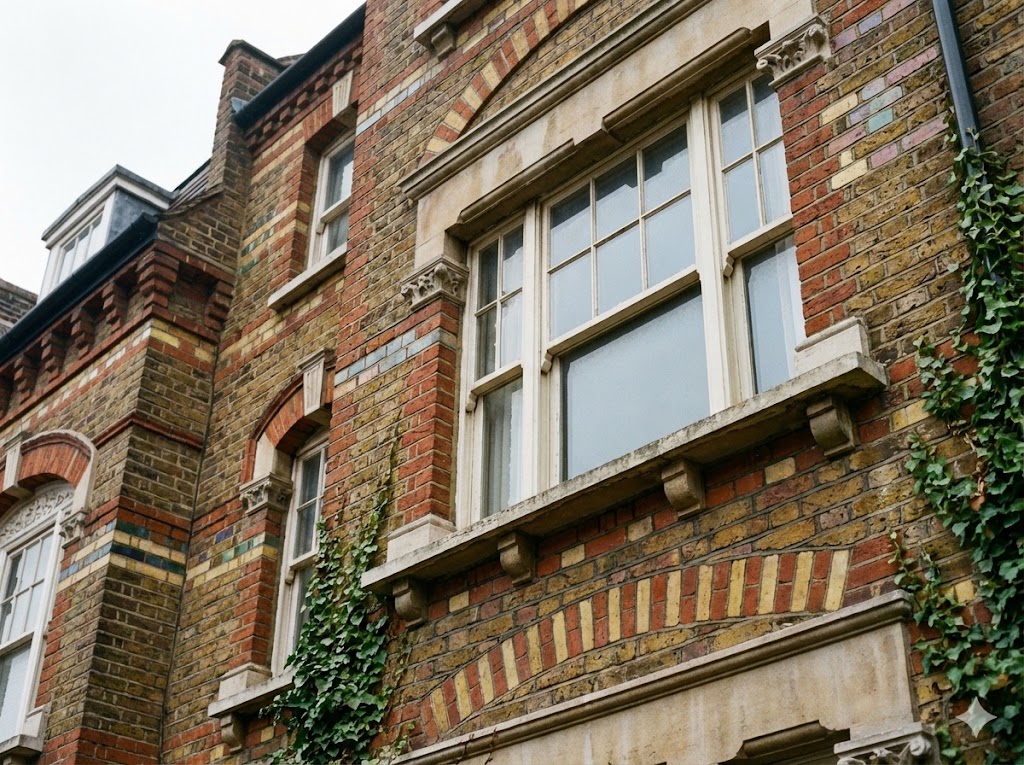
Conservation areas cover extensive parts of Camden, particularly across the south of the borough and established residential areas. Bloomsbury, Hampstead, Belsize Park, and Camden Square all contain protected zones where additional scrutiny applies to any visible alteration. Even properties outside formal conservation areas often sit within the setting of protected buildings or streetscapes.
Camden has implemented specific basement development policies following concerns about the impact of major excavation projects on neighbours and local infrastructure. If you're considering any below-ground work, expect detailed requirements around construction management, structural assessments, and limitations on excavation depth.
Article 4 directions affect various parts of the borough, removing permitted development rights for alterations that might otherwise proceed without consent. Window changes, front boundary alterations, and roof modifications commonly require explicit permission in designated areas.
Density is a key consideration across Camden. Properties often share party walls with neighbours, and rear gardens can be compact. The council assesses proposals carefully for impacts on adjoining residents, particularly regarding light, privacy, and sense of enclosure.
What Types of Extensions Usually Get Approved
Extensions in Camden succeed when they demonstrate sensitivity to local character and protect neighbour amenity. Several project types have established patterns of approval.
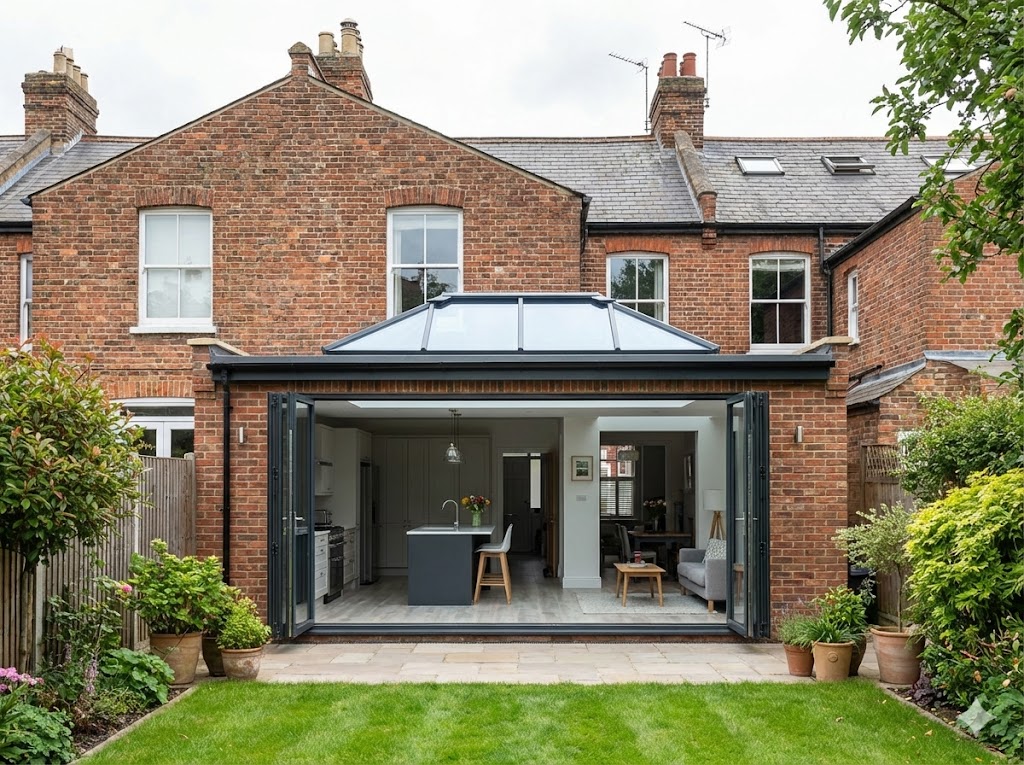
Single-storey rear extensions are commonly approved when they respect depth limits and maintain adequate light to neighbouring properties. In densely built areas like Camden, even modest extensions face scrutiny for their impact on adjoining homes, so keeping proposals proportionate improves prospects.
Side return infill extensions work well on Victorian terraces where a narrow passage runs alongside the original property. These are popular across much of Camden and tend to be approved when they don't introduce prominent features visible from the street and maintain the established building line.
Loft conversions have a strong track record in Camden, particularly on Victorian and Edwardian terraces. Rear dormers are generally more acceptable than front-facing alterations. Where streets have existing dormer precedents, similar proposals tend to be viewed favourably.
Lower-ground floor extensions can work on properties with existing basement or lower-ground accommodation, though the council applies careful assessment to any scheme affecting structural stability or neighbouring foundations.
Permitted Development in Camden
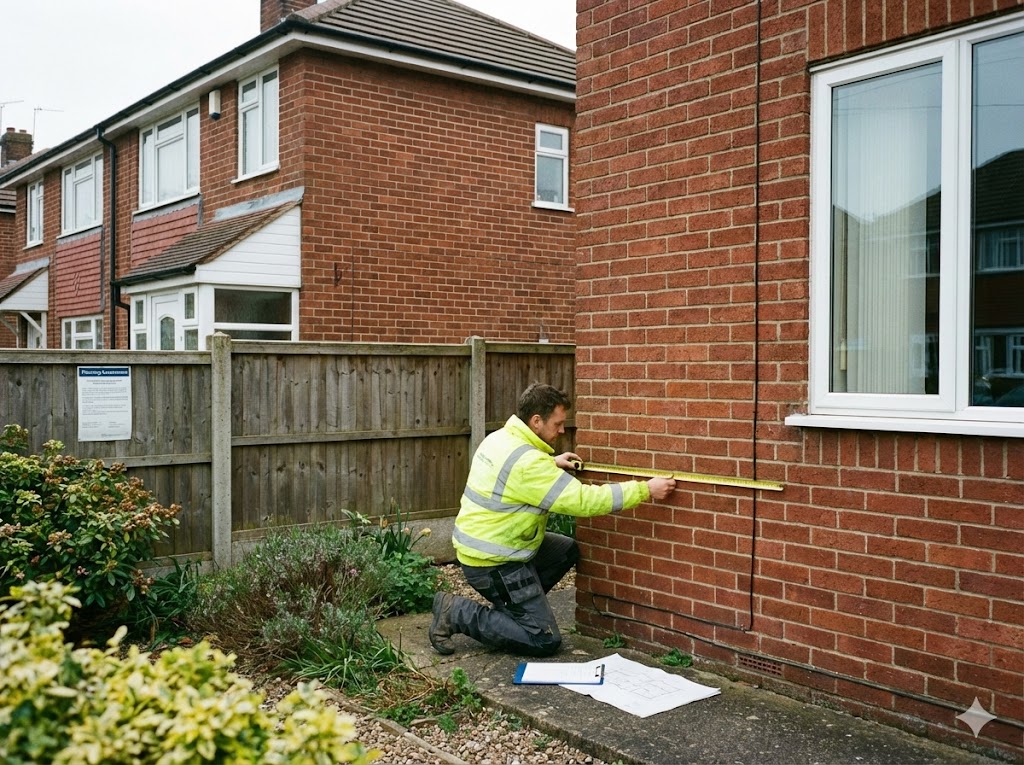
Permitted development rules allow certain works without formal planning permission, but Camden's restrictions mean many homeowners have fewer rights than they assume.
Properties in conservation areas lose many permitted development rights. Roof alterations, cladding changes, and extensions visible from public areas typically require consent in protected zones covering much of the borough.
Flats and converted properties have no permitted development rights for extensions. If your home is a flat, maisonette, or part of a converted building, assume planning permission is required for any external work.
Article 4 directions remove additional rights in specified areas. Front elevation changes, window replacements, and satellite installations commonly need explicit permission where these directions apply.
Even where permitted development rights exist, the size limits for rear extensions in Camden are often tighter than homeowners expect. Properties on smaller plots may find that meaningful extensions exceed what's automatically allowed.
Confirming your actual rights before starting work is essential. A Certificate of Lawful Development from the council provides formal confirmation that your proposed work falls within permitted limits.
Council Process and What Homeowners Usually Miss
Camden's planning team handles applications efficiently but maintains high expectations for submission quality.
Pre-application advice is available and often worthwhile for complex proposals. The council's planners can identify likely issues with your scheme before you invest in detailed designs, potentially saving significant fees if your initial concept faces fundamental obstacles.
Householder applications typically take around eight weeks to determine. However, schemes requiring heritage consultations, neighbour notifications that generate objections, or additional information requests may take longer.
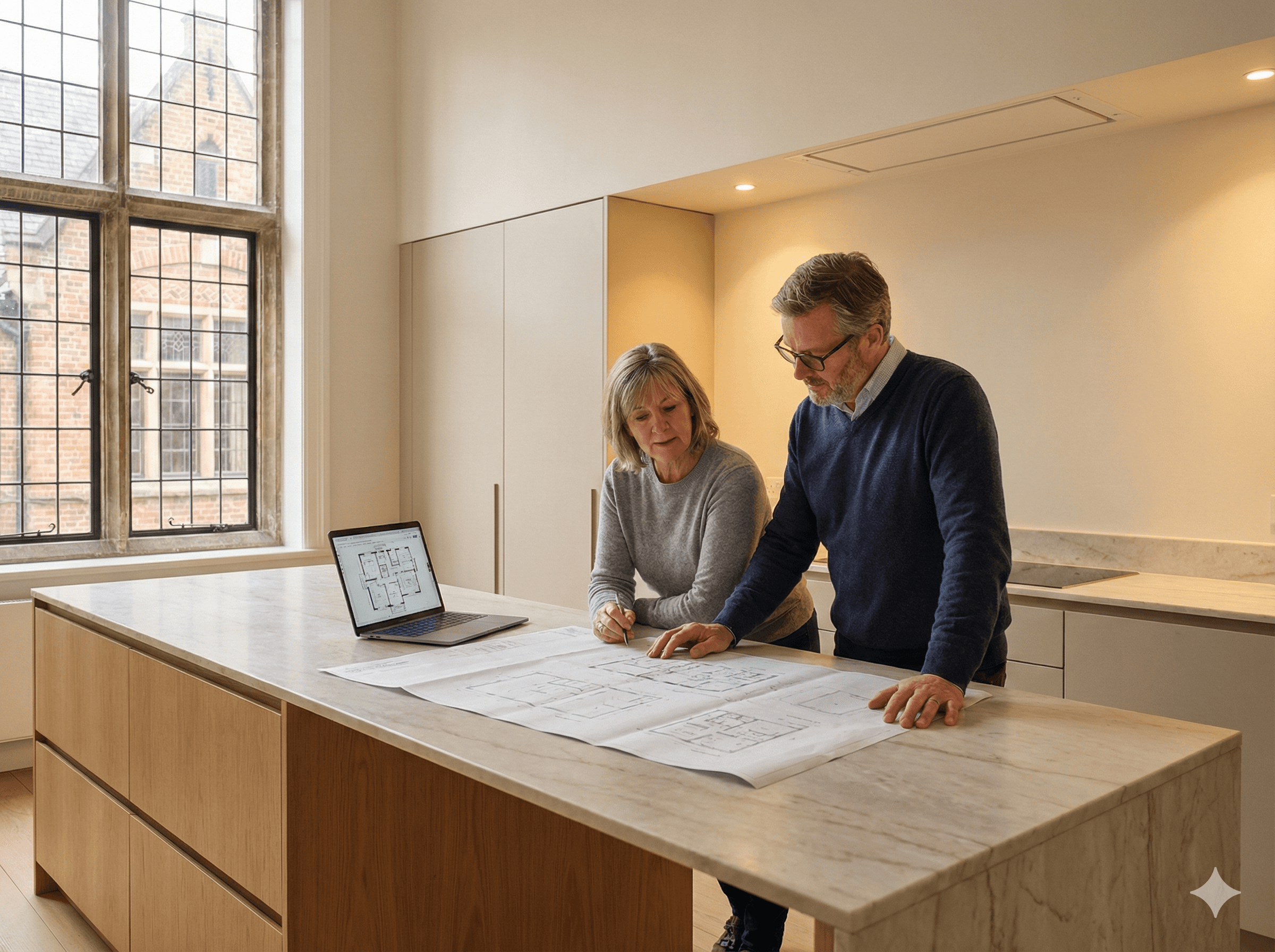
Many homeowners commission architectural drawings before fully understanding the planning constraints affecting their property. A rear extension concept that seemed straightforward might conflict with conservation area guidance, or a loft conversion could face objections from neighbours whose amenity would be affected. Identifying these issues at the outset is far cheaper than redesigning mid-process.
The council values well-presented applications with clear supporting information. Design and access statements that explain how your proposal responds to local character tend to receive more positive officer engagement than minimal submissions.


Common Reasons for Refusal in Camden
Understanding local refusal patterns helps you design a proposal that addresses the council's key concerns.
Loss of light to neighbours is a frequent refusal reason in Camden's tightly spaced housing. Extensions that would materially reduce daylight to habitable rooms in adjacent properties fail the council's amenity assessment. The 45-degree rule is routinely applied.
Overbearing impact causes refusals where extensions create an oppressive sense of enclosure for neighbours. Even single-storey additions can have this effect if they sit too close to boundary windows or dominate compact rear gardens.
Harm to conservation area character affects applications in protected zones. The council expects designs to respect the established architectural language of the conservation area, using appropriate materials and proportions. Generic or overtly modern additions often struggle.
Inadequate basement proposals lead to refusals where applicants haven't addressed the council's detailed requirements for construction management, structural reports, and impact assessment. Camden takes basement development seriously and rejects schemes that don't demonstrate adequate planning.
Poor relationship with the host building causes problems when extensions don't sit comfortably with the original property. The council wants additions to read as subordinate elements that complement rather than compete with the main structure.

10+
years
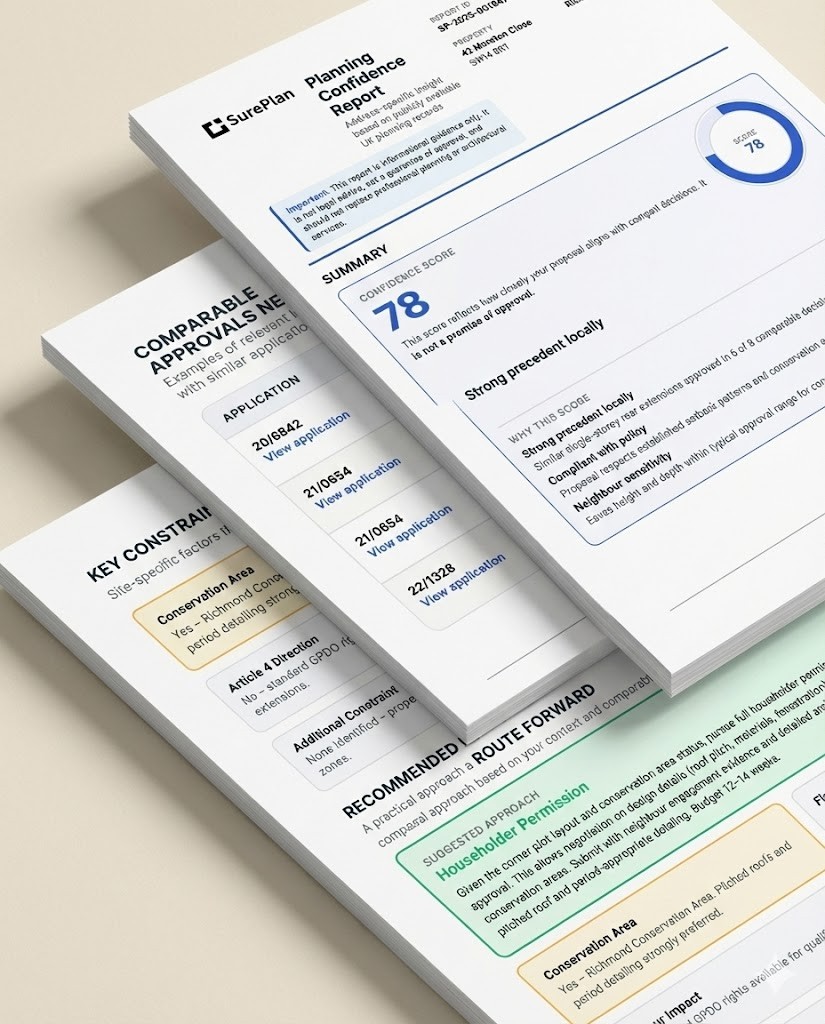
Historic planning decisions analysed
300+
Local planning authorities covered
1,000s
Comparable applications reviewed per report
24 hrs
Typical report delivery time straight to your inbox