
Feb 18, 2026
Have you built something without planning permission? This guide explains how a Section 73A application can make the work legal and stop the council from ordering you to tear it down. Ignoring the problem could cost you thousands and make your home impossible to sell.
This process is your formal route to fix a planning mistake. It is often called retrospective planning permission. Trying to ignore it is a gamble that can lead to serious trouble. You could be forced to demolish work you have already paid for.
What Section 73A Means for Your Home
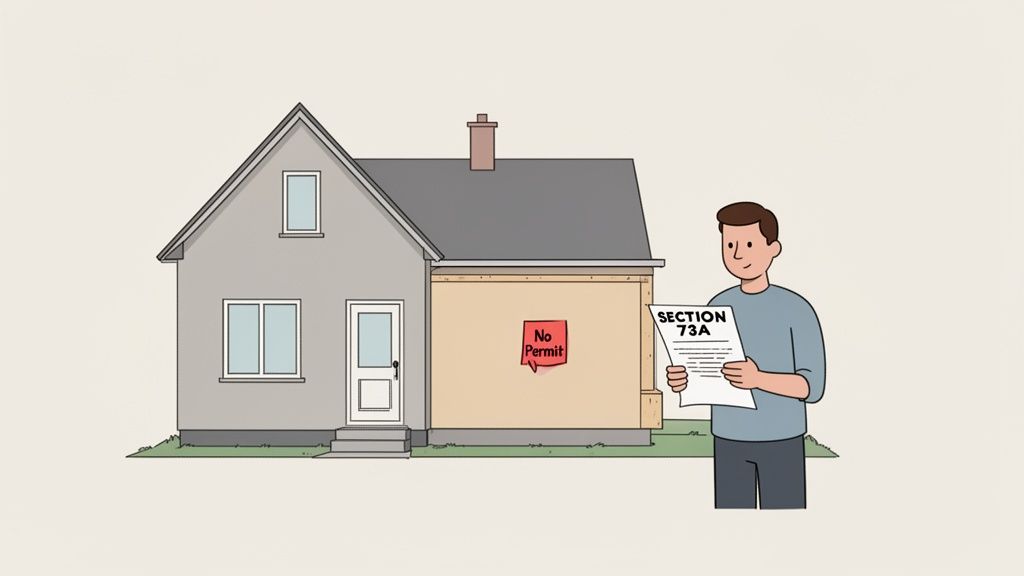
Imagine you have just finished a new conservatory. Then you realise you should have received planning permission first. This is a common situation. A Section 73A application is designed to solve this exact problem.
Think of it like forgetting to buy a train ticket. You are already on the journey. Now you need to find the conductor and pay. This avoids a fine or being removed from the train. For your home, this application is your chance to make the work legal and stop the council taking action.
Why You Cannot Ignore Unauthorised Work
Hoping the problem goes away is a risky strategy. If the council discovers your unauthorised extension, they can issue an enforcement notice. This is a legal order. It could demand you undo all the work. That means demolishing a structure you have already spent thousands on.
Unauthorised work also creates major problems when you try to sell your home. It can stop buyers from getting a mortgage. It can seriously reduce your property's value. Dealing with the issue with a section 73a planning application is the only way to protect your investment.
The Legal Background of Section 73A
This process is a formal part of UK planning law. The option for retrospective permission comes from the Planning and Compensation Act 1991. This created Section 73A of the Town and Country Planning Act 1990. It gives homeowners a clear way to legalise work built without consent. You can see the origins of this legislation on the official government register.
A successful application gives you three vital outcomes.
It Makes Your Build Legal: The work gets the formal planning permission it was missing.
It Stops Enforcement Action: The council can no longer force you to tear the work down.
It Secures Your Property's Value: It removes a major problem for future buyers and their mortgage lenders.
The process can be complicated. But it is the proper way to fix a planning mistake. This guide will show you how to handle it correctly and secure your home’s future.
When You Should Use a Section 73A Application
Knowing if a Section 73A application is right for you can save you stress and thousands in wasted fees. This process is for one specific situation. It is for work that has already been built without planning permission. It is a way to fix a problem from the past, not to get approval for future changes.
This happens more often than people think. Maybe you bought a house and later discovered the conservatory never had consent. Or perhaps your builder started your loft conversion before the planning permission arrived. In these cases, a Section 73A application is the formal route to make the work lawful.
The Problem with the Four and Ten Year Rules
You might have heard about rules that can protect you from council action after a certain time. These are widely misunderstood. They can create a false sense of security.
The 'four year rule' applies to building a new house or a major change to an existing one. The 'ten year rule' applies to breaking a planning condition or changing the use of a property. But here is the critical part. While these time limits might stop the council forcing you to tear the work down, they do not make the work lawful.
This distinction is important. Unlawful work creates a legal problem. When you sell your home, your buyer’s solicitor will find the issue. Mortgage lenders often refuse to provide finance. This can cause your sale to collapse or force you to reduce your property’s value. To learn more about what needs formal approval, check our guide to permitted development and planning permission.
Deciding on the Best Planning Route
Choosing the correct application is vital. A Section 73A application is only for making an unauthorised development legal. It is not for changing a project that already has permission. That needs a different application. Getting this wrong guarantees a refusal and means you will lose your application fee. This is typically £258 for a home extension in England.
To help you get it right, we have a quick comparison table. It gives you clarity on which path to take.
Choosing the Right Planning Route
Your Situation | Best Option | Why This Is The Right Choice |
|---|---|---|
Work is already built without permission. | Section 73A Application | This is the only formal process to get retrospective planning permission and make the work lawful. |
You have permission but want to make a minor change. | Non-Material Amendment | This is for very small alterations that do not change the core approval, like moving a window slightly. |
You want to change an approved planning condition. | Section 73 Application | This is used to change or remove a condition attached to an existing planning permission. |
You are planning a new project from scratch. | Full Planning Application | This is the standard route for getting permission before any building work begins. |
A Section 73A application is your official way to fix unauthorised building work. It gives you protection from council enforcement. It secures your home’s market value. It ensures you can sell your property without legal problems. You fix the problem properly now to avoid much bigger and more expensive issues later.
How a Section 73A Application Differs From a Standard One
Understanding this is key to managing your money and stress. With a standard planning application, you ask for permission to build something in the future. With Section 73A, the work is already done.
That one fact changes everything.
It means the council judges your finished building against today's planning rules. They do not use the rules that were in place when you did the work. This is a critical point that many homeowners miss. Local policies on design, materials, or neighbour impact might have become much stricter. Your structure is judged by this tougher, modern standard.
The Stakes Are Higher
The process is similar to a normal application. But the risk is much greater. You will still need to get accurate drawings. You must fill out the forms and pay an application fee. This is often £258 for a home extension in England. But the consequences of the decision are very different.
You are spending hundreds or thousands of pounds on an application. But the work might have to be torn down or changed if it gets refused. You are not just trying to get an idea on paper approved. You are trying to make legal a real structure you have already paid for.
A refusal is not just a 'no' for a future plan. It is a formal rejection of something that already exists. This can trigger the council to start costly enforcement action against you.
Section 73A Versus Section 73
It is also easy to mix up a Section 73A application with a Section 73 application. They do completely different jobs.
Section 73A is for work that’s already been built without any permission. This is the retrospective route.
A Section 73 application is for projects that already have planning permission. You use it when you want to change one of the planning conditions.
Both routes come from the Town and Country Planning Act 1990. But if you have already started or finished the work without any prior consent, Section 73A is your only option. You can read an expert guide on retrospective permissions to learn more. Getting this right saves you from a guaranteed rejection and losing your application fee.
A Step-By-Step Guide to Your Section 73A Application
Submitting a Section 73A application can be stressful. But if you follow a clear process, you can avoid costly mistakes. Giving the council exactly what they need gives you the best possible chance of getting your unauthorised work approved.
This is your roadmap. We will break it down into simple actions. We will explain what you need to do at each stage.
Step 1: Get Your Evidence and Drawings in Order
Before you fill out a form, you need accurate drawings. A Section 73A application requires professional ‘as-built’ drawings. They must show the work precisely as it stands today. This is not optional.
These drawings must be accurate. If they are not, the council can refuse to look at your application. This means you have wasted your application fee and the money spent on the drawings. Expect to pay between £500 and £2,000 for a surveyor or architectural technician to produce these for you.
This flowchart shows the crucial difference between a standard application and a Section 73A.
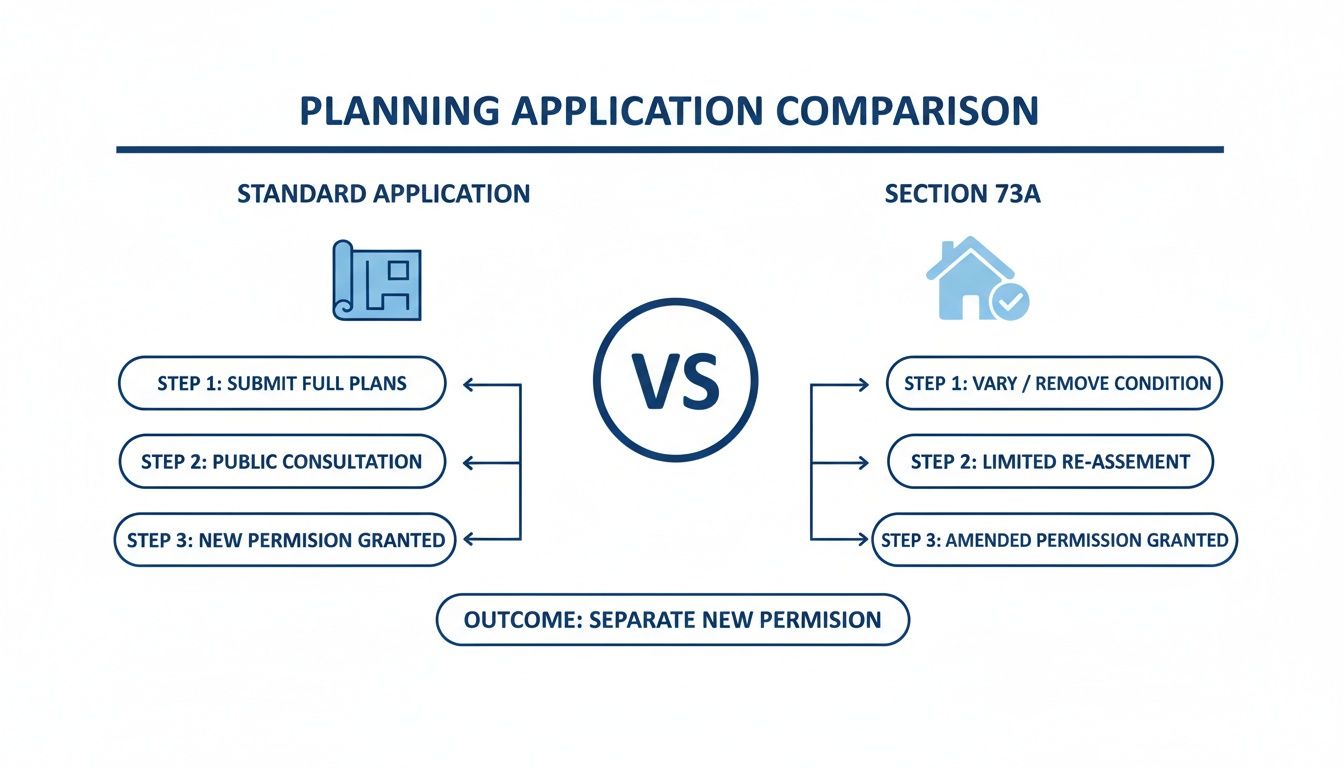
As you can see, the process starts with what is already built. The accuracy of your 'as-built' drawings is the foundation of your entire case.
Step 2: Complete the Application and Write a Strong Supporting Statement
Once you have your drawings, you can tackle the application forms. This is usually done online through the official Planning Portal. You will need to find the form for a ‘retrospective planning application’.
Your application must also include a supporting statement. This is your chance to explain the development. You can build a solid argument for why it deserves permission. A well written statement is critical to your success.
Keep your statement factual and polite. Explain why you believe the work follows local planning policies. Address potential concerns like the impact on neighbours or the local area. Avoid emotional arguments. Focus on the planning merits of the case.
To understand what makes a strong case, it helps to see how others have done it. You can learn more about how to prepare a strong planning application in our detailed guide.
Step 3: Submit and Wait for the Decision
After you submit the application and pay the fee, the council begins its validation process. They will check you have provided all the required documents. If anything is missing, they will contact you, but this will delay everything.
Once validated, a planning officer takes over the application. The council will typically consult with your neighbours. They might also put up a site notice.
The standard timeframe for a decision on a householder application is eight weeks. During this time, the planning officer assesses your project against local and national planning policies. They then make their recommendation to approve or refuse it. Knowing this timeline helps you manage your expectations.
Common Mistakes That Lead to a Refusal
Getting a Section 73A application wrong is an expensive and stressful mistake. Knowing why councils refuse these applications gives you an advantage. It helps you avoid common traps that lead to rejection and enforcement action. A refusal means you lose your application fee and you are back where you started.
The most common reasons for refusal relate to the real world impact of the work. Planners carefully assess how your finished building affects its surroundings.
Overlooking Your Neighbours
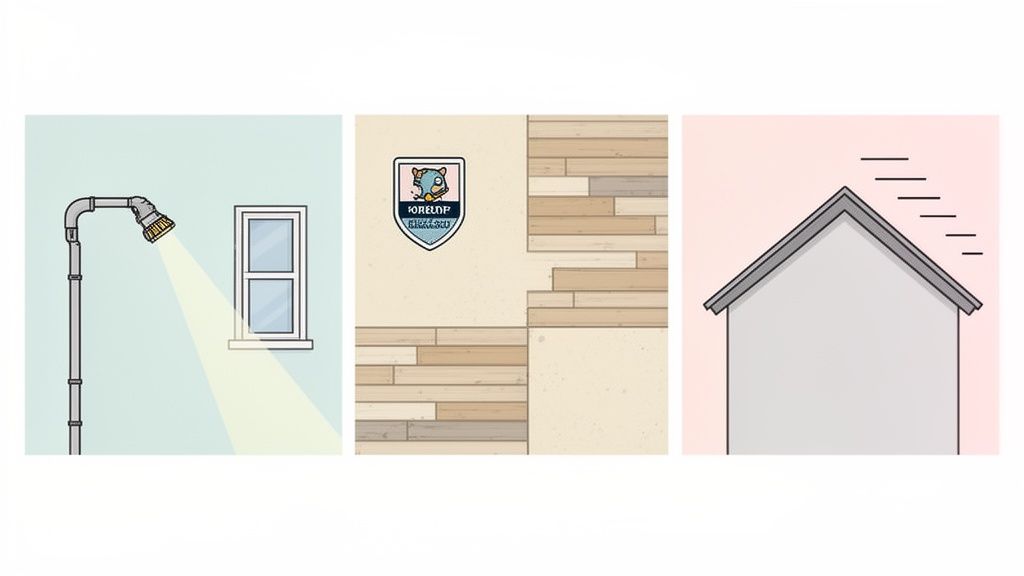
A major problem for any planning officer is loss of privacy for neighbours. A poorly placed window or a new balcony that looks directly into a neighbouring garden is a classic reason for refusal.
For instance, one homeowner built a two storey side extension. A large bedroom window looked straight into next door’s living room. The council refused the retrospective application. The owner had to pay over £3,000 to replace the window with obscure glazing and make it non opening before a later application was approved.
Using the Wrong Materials
What your extension is built from matters, especially in certain locations. If your property is in a conservation area or is a listed building, the council will have very strict rules about materials.
Common mistakes include:
Using modern uPVC windows instead of traditional timber frames in a historic street.
Choosing bright red roof tiles that clash with the muted slate roofs on every other house.
Building with bricks that do not match the existing house, creating a disjointed look.
These might seem like small details. But they can be enough for a planning officer to refuse your section 73a planning application. The cost to replace a full set of windows or re-tile a roof can easily be tens of thousands of pounds.
The Extension Is Simply Too Big
Councils have clear policies on how big an extension can be. This relates to the original house and the size of its garden. A structure that dominates its plot or casts a large shadow over a neighbour’s property is a frequent cause for refusal.
A refusal often happens when a building is 'out of character' with the area or harmful to the 'amenity' of neighbours. These terms simply mean it harms the look of the street or spoils a neighbour's enjoyment of their own home.
Gaining planning permission is becoming tougher. In the year to March 2025, for example, permissions were granted for just 235,000 homes in England. This was a 3% drop from the previous year.
Understanding these common problems is the first step to building a stronger case. For a deeper look, check out our guide on the top reasons planning permission gets refused.
Your Section 73A Questions Answered
Starting a Section 73A application brings up real worries. It is a high stakes process. Let's tackle the most common questions homeowners have. This will give you the clarity you need before you commit your time and money.
Does Applying for Section 73A Mean I’m Admitting Guilt?
No, not in a criminal sense. Submitting a retrospective application is the proper way to fix a planning breach. It shows the council that you want to make the development lawful.
While it confirms the work was done without permission, this is the formal process designed for this exact situation. It is far better than hoping the problem goes away. Ignoring it could lead to an enforcement notice, forcing you to remove all the work at your own expense.
How Much Does a Section 73A Application Cost?
The fee you pay to the council is usually the same as a standard householder application. In England, that is currently £206. But that is just the start.
You will also need to pay a professional to create 'as-built' drawings. This can cost anywhere from £500 to £2,000, sometimes more, depending on the project's complexity. The biggest financial risk is paying these fees only to have the application refused. This is why checking your chances of success beforehand is so important.
What Happens If My Section 73A Application Is Refused?
If the council refuses your application, they must give you written reasons why. These are usually based on planning policy. From there, you have a few options.
First, you can appeal the decision to the Planning Inspectorate. This can be a long and expensive route with no guarantee of success. Your second option is to discuss amended plans with the council. You can then see if you can fix their concerns and submit a new application.
If neither of those routes works, the council may issue an enforcement notice. This is the worst case scenario. It will require you to alter or even demolish the unauthorised work. It highlights how important it is to get the application right the first time.
Can I Sell My House If I Have Unauthorised Work?
You can try, but it is very difficult. Any unauthorised work will be found during the legal process when the buyer's solicitors do their searches. Crucially, it can make the property unmortgageable for a potential buyer.
This usually means you are limited to cash buyers. That reduces your number of potential purchasers. It will almost certainly force you to accept a lower final sale price.
Most buyers will insist you either get retrospective permission through a Section 73A application or buy an indemnity insurance policy. An insurance policy is not always possible. It might not satisfy the buyer's mortgage lender. Sorting out the planning status is the safest way to ensure a smooth sale.
Before you commit hundreds or thousands of pounds to drawings and application fees, you need to know where you stand. A SurePlan Planning Confidence Report gives you evidence-based insight into your project's chances of success. For £49, we analyse your council's recent decisions for similar projects to give you a clear, honest assessment in plain English, so you can avoid costly mistakes and move forward with confidence. Learn more at https://www.getsureplan.co.uk.