
Feb 21, 2026
Thinking about an extension? Knowing how much drawings will cost is the first step to a realistic budget. Get this wrong and you risk spending thousands on plans that can never be used.
For a simple UK extension, expect to pay £1,000 to £3,000 for planning drawings alone. If you need a full set of plans for builders, that cost often rises to £3,000 to £6,000.
Understanding these costs now helps you create a sensible budget. It also helps you avoid expensive surprises later on.
The Real Cost of Architect Drawings Before You Build
Getting your vision onto paper is your first major expense. So how much should you set aside for architect drawings? Getting this number right stops you from overspending before a single brick is laid.
These fees are for more than just lines on a page. You are paying for a professional's expertise. They turn your idea into a plan a builder can follow. Crucially, it must also be a plan your local council will approve. Without this step, your project cannot start.
What Are You Actually Paying For?
When you hire an architect, you usually buy two different sets of drawings. They are sometimes sold together as one package. But they are often priced separately. Knowing the difference helps you compare quotes fairly.
The two main types are:
Planning Drawings: These are the plans for your council. They show what your project will look like from the outside. They detail its size and the materials you will use. Their purpose is to get you permission to build.
Building Regulations Drawings: These are much more detailed. They are technical blueprints. They specify exactly how the extension must be built to meet UK safety standards. Your builder needs these to build your project correctly and legally.
This infographic gives you a rough idea of the typical cost split for a standard project.
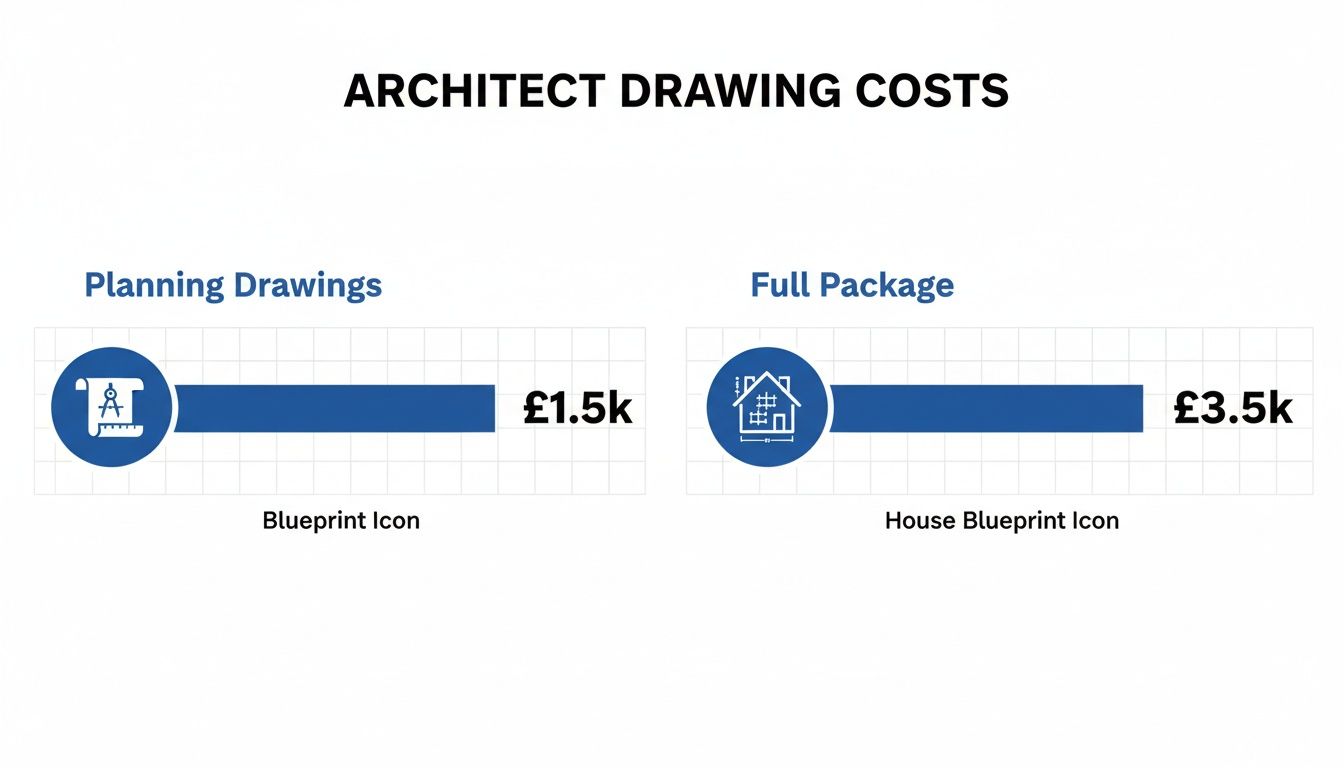
As you can see, a full drawing package is often more than double the cost of planning drawings. This is because creating the technical building regulation plans takes a lot more time and specialist knowledge.
Why Do These Fees Exist?
An architect's fee covers their time, skill, and the professional responsibility they take on. Good drawings are your best insurance against expensive mistakes during construction.
They are also a legal requirement. You need them to get planning permission and building control approval.
Paying for drawings is an unavoidable part of the process. The real risk is not the fee itself. The risk is spending thousands on plans for a project that the council was never going to approve.
This is why you need to know if your project is feasible from day one. Do this before you commit to any large expense. The cost of drawings is just one piece of the puzzle. You also need to factor in separate council fees. You can learn more in our guide on how much planning permission really costs.
Why Your Drawing Costs Can Vary So Much
Have you received two quotes for drawings where one is double the other? This is common. It does not mean someone is trying to overcharge you. Understanding why prices vary helps you spot fair value.
Not all projects are the same. So the answer to "how much do architect drawings cost?" is never a single number. A few key factors drive the price up or down. Once you know what they are, you will be in a much stronger position when you speak to architects.
Project Size and Complexity
This is the most important factor. A simple, single storey extension will always be cheaper to draw than a complex, two storey extension. It takes less time and less complex design work.
But complexity is not just about size. It also covers:
Unusual Shapes: A standard rectangular extension is simple. One with curved walls or multiple roof angles is much harder.
Internal Changes: If your project involves removing several walls or moving a staircase, that adds design time.
Difficult Ground: A sloped garden or poor soil may require more detailed foundation plans. This increases the drawing workload.
A simple project might take 20 to 30 hours to draw. A very tricky one could easily take over 100 hours.
Think of it like this. Drawing a simple box is quick. Drawing an intricate sculpture takes much longer. The more complex your vision, the more time and expertise are needed to get it right on paper.
Location and Property Constraints
Where you live matters. Architects in London or the South East generally charge more than those in the North of England. This reflects their higher business costs. Planning complexity varies too — see planning permission in your London borough.
Specific constraints on your property can also increase drawing costs. These are red flags that your design will face more checks from the council. This demands more detailed plans.
A classic example is living in a Conservation Area. If your property is in one, your architect must produce extra documents. This can add £500 to £1,500 to your bill.
Likewise, if your home is under an Article 4 Direction, your normal building rights are removed. You will need to apply for full planning permission for jobs that might otherwise not need it. Your architect must then create a full set of planning drawings. This lands you with a cost you might not have expected.
Level of Service You Choose
The final major variable is what you ask the architect to do. Their work can range from a basic drawing package to a full project management service.
Here is a quick breakdown of common service levels:
Drawings Only: This is your cheapest option. The architect produces the plans and hands them over. You are responsible for submitting the application and managing the build.
Application Management: For an extra fee, the architect will also handle the planning application. They will deal with the council planner and make any minor changes needed. This can save you a lot of hassle.
Full Project Management: This is the most expensive option. The architect oversees the entire project. They help you find builders, inspect work, and manage contracts. This service is often priced at 10 to 15 percent of the total build cost.
Understanding these factors is the first step to controlling your budget. It helps you ask the right questions and avoid being surprised by a high quote.
What a Single Storey Extension Really Costs in Drawings
Let's look at the real numbers. The single storey extension is a very popular UK project. Understanding the costs here will show you how architect fees work and help you avoid under budgeting.
For a simple rear extension, if you only need drawings for a planning application, budget between £1,000 and £2,500. That is the starting point.
But if you want the full package including detailed technical drawings for building regulations, that figure will climb to between £3,000 and £5,000. These numbers give you a solid baseline. You can get more detail on how architects work out their fees from Checkatrade.com.
But wait. Before you spend any money on drawings, you need to be sure your project is viable. A SurePlan Planning Confidence Report costs £49. It checks your property's planning history for risks like Article 4 restrictions. It also analyses your council’s past decisions. It flags problems that could stop your project, saving you from spending thousands on drawings that are doomed to be rejected.
Fee Structures: Fixed vs. Percentage
When you get quotes, you will notice architects charge in different ways. The two most common methods are a fixed fee or a percentage of the total build cost. Understanding the difference is vital for managing your budget.
A fixed fee is a single, upfront price for a clear set of drawings. This is common for smaller projects like a standard extension. The big benefit is cost certainty. You know exactly what you are paying from day one. The only catch is that if you make big design changes, you will likely face extra charges.
The alternative is a percentage fee. Here the architect’s cost is a percentage of the final construction bill, typically between 5 and 12 percent. For a £50,000 extension, this would mean a fee of £2,500 to £6,000 just for the drawings. This model is more common for larger projects where the final scope is not certain. It means your drawing costs will rise if your build budget increases.
For most standard single storey extensions, a fixed fee offers the best financial clarity. It stops the fee from increasing if your material choices or builder costs go up.
The Hidden Costs in Your Quote
Here is the biggest mistake homeowners make. They assume the initial quote for drawings covers everything. It often does not. Several essential services are frequently billed as separate items. They can be a nasty surprise if you have not budgeted for them.
Always check if your quote includes these common extras:
Measured Survey: Before drawing, the architect needs accurate measurements of your home. Some do this themselves, but many use a specialist surveyor. This can cost between £400 and £800 and might not be in the initial quote.
Structural Engineer Fees: Your architect designs the space. But a structural engineer does the critical calculations for steel beams and foundations. Their drawings are essential and can add £500 to £2,500 to your bill.
Application Fees: Remember the architect’s fee never includes money you pay to the council. A planning application in England costs £206. Building control fees can add another £500 or more.
By asking about these extras upfront, you can build a realistic picture of your pre construction costs. This clarity is key to keeping your project on track.
Cost Breakdown for a Loft Conversion
Turning your loft into a new room is a great way to gain space without losing your garden. But the cost of architect drawings for this type of project is often different from a ground floor extension. Knowing why will help you set a realistic budget.
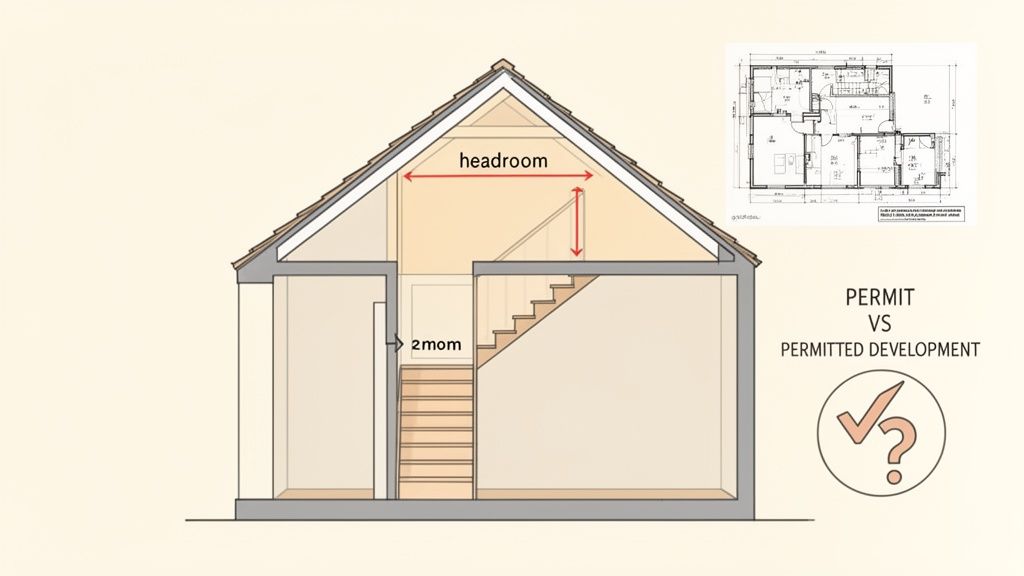
Loft conversions are almost always more complex to design than a simple extension. Your architect must work within your existing roof. This means dealing with tricky calculations for headroom, stairs, and structural support. This extra complexity takes more time and skill. This is reflected in the price.
Permitted Development vs Full Planning
The biggest factor affecting your drawing costs is whether your loft conversion needs a full planning application. Many loft projects fall under Permitted Development (PD) rights. This is good news. It means you can build without formal council permission, as long as you follow a strict set of rules. This route can save you a lot of money.
Drawings for a PD loft conversion are usually simpler and cheaper. Your architect will focus on the detailed technical drawings needed for Building Regulations and your builder.
But if your design is outside those PD rules, you will need a full planning application. This requires a more extensive set of drawings, which pushes your costs up.
Here is a rough guide to what you can expect:
PD Loft Conversion Drawings: For a project that qualifies for Permitted Development, you will likely pay between £1,200 and £2,000 for the necessary drawings.
Full Planning Application Drawings: If you need to go through the full planning process, the initial planning drawings alone could cost £1,500 to £2,500. That is before you have paid for the more detailed technical plans.
This difference is important. Paying for expensive drawings for a design that needs planning permission when a simpler PD option was available is a common mistake. For a detailed breakdown of your project costs, explore our loft conversion cost calculator.
Why Loft Drawings Can Be So Expensive
A few technical challenges make loft conversion drawings more demanding and therefore more expensive. An architect has to plan carefully around these issues.
They need to consider:
Structural Integrity: Adding a new floor means reinforcing the existing ceiling joists. This requires a structural engineer, which is a separate cost.
Staircase Design: Fitting a compliant staircase without ruining the layout of the floor below is a major design puzzle.
Fire Safety: Plans must show clear and safe escape routes. This often means adding fire doors and linked smoke alarms.
Headroom: Getting the minimum required headroom, usually 2 metres, is essential. It can dictate the entire design.
The most painful cost is not the drawing fee. It is paying thousands for plans that the council rejects. This happens often, with 15 to 25 percent of loft applications getting refused.
Confirming Your Route Before You Spend
Before you hire an architect, you must know which path your project will likely take. This knowledge alone can save you thousands. For UK homeowners, drawing costs for a planning pack typically range from £1,500 to £2,500. This climbs to over £3,000 when Building Regulations are included. Full architectural services for a loft needing planning permission can start at £5,000 to £7,000.
Spending a small amount upfront to check your planning position is the smartest first step. A SurePlan report analyses your council's recent decisions and checks your property for red flags. This shows if Permitted Development is a realistic option. It stops you from paying for expensive planning drawings you might not need.
How to Avoid Paying for Drawings You Cannot Use
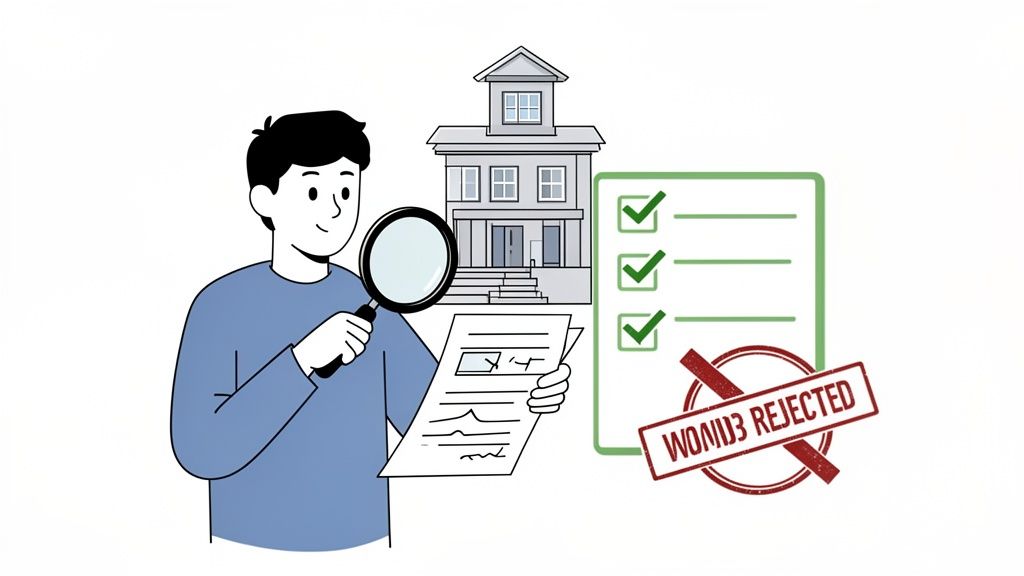
It is the number one fear for any homeowner. You spend thousands of pounds on architect drawings, only for the council to reject the application. This is the most expensive mistake you can make. It leaves you with a huge bill for worthless plans.
Planning permission is never guaranteed. No matter how good your architect is, the local council makes the final decision. Paying for a full set of drawings before you know your chances of success is a massive financial gamble.
Check Viability Before You Commit to Drawings
There is a much smarter way to do this. Before you hire an architect, check if your project idea is viable. This means looking into the specific planning rules for your property. See how your local council has treated similar applications nearby.
This early research is the best way to protect your money. You are no longer guessing. You are making a decision based on evidence. You also get a warning about any potential problems before they cost you a fortune.
This simple check gives you two massive advantages:
Spot Problems Early: You can find major roadblocks like Article 4 Directions or conservation area rules that could kill your project before it starts.
Understand Your Council: You get a feel for what kinds of designs and sizes are typically approved or refused in your neighbourhood.
This knowledge is powerful. It lets you create a realistic brief for your architect that has a much higher chance of success.
How a Planning Confidence Report Works
This might sound complicated, but it does not have to be. Services like SurePlan’s Planning Confidence Report do all this work for you. For a small fraction of an architect's fee, you get a clear look at your project's real chances.
A report like this analyses actual planning decisions from your local council for projects just like yours. It compares your idea against what has genuinely been approved and refused in your area.
A Planning Confidence Report gives you the evidence to move forward with clarity. It helps you avoid the £258 council fee for a refused application. More importantly, it saves you from wasting thousands on drawings for a project that cannot be built.
The report explains complex planning jargon in plain English. It gives you a simple confidence score. It also explains common reasons for refusal in your area and flags any red flags for your property. For more details, check our guide on what to check before paying for drawings.
With this information, you can have a much better first chat with an architect. You can tweak your plans to avoid known issues. It is a small upfront step that gives you the clarity you need to avoid the most common and costly mistake in home renovation.
Smart Ways to Compare Quotes and Reduce Costs
Knowing the risks and costs is a great start. Now it is time to get practical. Getting quotes for drawings can be a minefield. But a few simple tactics will help you compare them fairly and find the best value.
The goal is to get quotes you can compare side by side. If one quote includes building regulation drawings and another does not, you are not comparing the same service. This is a common trap that can lead you to choose a quote that seems cheap but costs more later.
Getting Quotes You Can Actually Compare
To compare apples with apples, you need to be clear about what you are asking for. When you contact an architect, do not just ask "how much for drawings?". Give them a clear brief. Ask for a detailed fee proposal that breaks down all the costs.
Your request should ask for the following to be listed as separate items:
A measured survey of your property.
Initial design concepts (usually 2 or 3 options).
Planning application drawings.
Building regulation drawings.
Structural engineer’s fees.
Council application fees.
Asking for this level of detail forces clarity. It quickly shows you what is included in the main price and what is an extra. This prevents surprises down the line.
Proven Tips to Reduce Your Drawing Fees
You can lower your architect's bill without cutting corners. A bit of preparation can make their job easier and quicker. This directly translates into cost savings for you. A well prepared client is always cheaper to work for.
Consider these simple steps:
Create a Clear Brief: The more detailed your brief, the less time an architect has to spend guessing what you want. Collect images from websites like Pinterest. Make a list of your must haves. Be honest about your budget.
Do Your Own Research: Use tools like a SurePlan report to understand your property’s planning constraints before you speak to a professional. This stops them from spending billable hours discovering an issue you could have spotted earlier.
Handle Simple Admin Yourself: If you feel confident, you can manage the planning application submission yourself through the Planning Portal. This saves you paying your architect for what is mainly administrative work.
The single biggest red flag in any quote is vagueness. If a fee proposal just says "architectural services" with a single price, you must ask for a detailed breakdown. Unclear quotes are often where extra costs hide.
Negotiating with Confidence
With a clear brief and comparable quotes, you are in a much stronger position. You can see who offers the most comprehensive service for the price. You can confidently question any unclear or unusually high costs.
This is not about aggressively haggling. It is about ensuring you understand exactly what you are paying for and getting fair value. By being prepared and asking the right questions, you can choose the right professional and start your project on a solid financial footing.
Got Questions About Drawing Costs? We’ve Got Answers.
Here are some straightforward answers to the questions homeowners ask us all the time.
Are Those Super-Cheap Online Drawing Services a Good Idea?
You have probably seen them. Websites offering architectural drawings for just a few hundred pounds. The price is tempting. But that low initial cost often hides a much bigger one later.
These services usually provide generic, one size fits all plans. They are not designed for your specific property or your local planning rules. The result? You could end up with a design that is impractical to build or gets refused by the council. This means you have wasted your money completely.
A local architect or designer costs more because you are paying for a personal service. They visit your home. They listen to what you need. They create a design that is built for your specific circumstances. This gives you a much better chance of getting your plans approved.
Do I Really Need a Fully Qualified Architect for My Extension?
Not always. For a simple home extension or loft conversion, you do not necessarily need a fully qualified, ARB registered architect. An experienced architectural technologist or technician is often more than capable of producing excellent plans.
Their fees are usually a bit lower than a chartered architect's. The most important thing is their experience with similar projects and their knowledge of your local planning authority. Always ask to see their portfolio before you commit.
The key is not the professional's title, but their track record. A good architectural technician with years of local experience can be more valuable for a simple extension than an architect who mainly designs commercial buildings.
What Happens if My Planning Application Gets Refused?
First, do not panic. If your application is refused, you have a few clear options. Read the council’s refusal notice carefully to understand their reasons. You can often work with your designer to change the drawings, address the council's issues, and resubmit. This is usually free if you do it within 12 months.
Your other option is to appeal the decision to the Planning Inspectorate. Be warned, this is a long and often expensive process with no guarantee of success. Your best defence is to avoid a refusal in the first place by doing your homework upfront.
Before you spend a single pound on drawings, get the evidence you need to move forward with confidence. A SurePlan Planning Confidence Report analyses your council's actual decisions to show you what gets approved and refused in your area, helping you avoid costly mistakes.