
Feb 22, 2026
Ignoring building rules could force you to undo expensive work years later. This guide explains the new 10 year enforcement period so you can avoid a costly mistake that could make your home unsafe and difficult to sell.
Why The 10-Year Rule Is A Big Deal For You
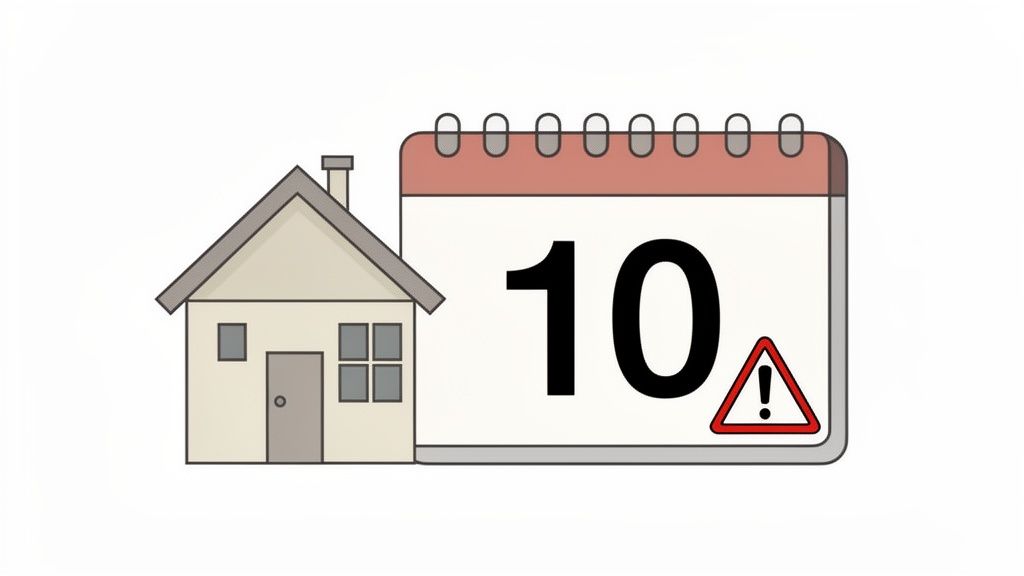
A recent change in the law raises the stakes for homeowners. The risk of getting caught with unapproved building work now hangs over you for a full decade. If your project does not meet safety standards, your local council has more power to act.
For years, the council could only take action within one year of work finishing. This loophole meant dangerous work often went unnoticed. But in October 2023, the law changed. The building regulations enforcement period stretched from 12 months to 10 years for any work finished after that date.
This update to the Building Act 1984 gives councils a much longer time to find and deal with unauthorised projects. It means a poorly built extension could cause you serious legal and financial trouble almost a decade after your builders have left.
What This Means For You
You are now exposed to risk for a much longer time. A casual attitude to getting building control sign off is no longer a smart option.
Here is what you need to know:
Selling Your Home: A buyer’s solicitor will ask for a completion certificate for any alterations. Without it, your sale could collapse. Or you might have to accept a much lower offer. The 10-year window makes this check more critical than ever.
Costly Fixes: If the council finds a problem, they can order you to fix it at your own cost. This is called an enforcement notice. It could mean ripping out walls or redoing foundations, which can be very expensive.
Insurance Problems: Your home insurance could be invalid if you claim for an incident related to unapproved work. For example, if a fire is caused by faulty wiring in an uncertified extension, your insurer might refuse to pay.
A final completion certificate is not just a piece of paper. It is your proof that the work is safe and lawful. It protects your property's value for the next decade.
This is a separate process from planning permission. Learn about the approvals your project needs in our guide on the next steps after getting planning permission.
Planning Permission vs Building Regulations
It is easy to mix up planning permission and building regulations. This can be a costly mistake. You could face financial and legal problems even if you have one type of approval. They are two separate processes that check different parts of your project.
Think of it like building a car. Planning permission is about whether you can park that car on your street. It looks at the car's size, its appearance, and if it will affect your neighbours. It is about the principle and appearance of your project.
Building regulations are like the car’s MOT. The inspectors do not care what colour it is. They care that the brakes work and the structure is sound. This is about the technical safety and construction of your build.
Different Rules for Different Jobs
You need to understand what each process controls. You will often need building regulations approval even when your project does not need planning permission.
Planning Permission: This focuses on the bigger picture. Does the extension overlook a neighbour’s garden? Is the design suitable for the local area? It is about how your project impacts the community around it.
Building Regulations: This process is technical. It checks if foundations are deep enough. It ensures insulation meets energy standards. It makes sure there are proper fire safety measures. Its job is to ensure the building is safe and healthy for people.
A common trap is thinking planning permission is a green light for everything. You could have full planning permission but still get an enforcement notice for breaking building regulations years later.
Why You Need to Care About Both
Imagine you build a small rear extension. You might not need to apply for planning permission because of permitted development rights. But you still need building regulations approval. This ensures the structure, electrics, and insulation are all correct.
Failing to get this approval is a major risk. The council can inspect the work during the building regulations enforcement period. They can order you to fix anything that does not comply. This could mean pulling down a new wall to prove a steel beam was installed correctly. This is a hugely expensive and disruptive job you want to avoid.
Here is a simple breakdown:
Aspect | Planning Permission Controls | Building Regulations Control |
|---|---|---|
Main Goal | Impact on the area and aesthetics | Safety, health, and energy efficiency |
Typical Focus | Size, appearance, location, use | Structural stability, fire safety, drainage |
Common Trigger | Building a new extension | All structural work, new windows, electrics |
Getting one type of approval does not give you the other. Learn more about what planning permission involves in our complete guide. Getting both right from the start protects your investment and avoids future problems with the council.
How Councils Enforce The Building Rules
What happens if the council finds work that was never signed off? They do not have inspectors roaming the streets. An investigation usually starts when someone flags an issue. A neighbour might complain, or a surveyor might raise questions during a house sale.
This starts a formal process you cannot ignore. Understanding these steps shows you what is at stake. It shows why getting a final completion certificate is critical to protect yourself from huge costs and legal problems.
The Investigation And Initial Contact
You will likely first hear of a problem in a letter from the council’s Building Control department. This is a serious warning. The letter will say the council believes work was done without approval and will ask for more information.
A Building Control officer will probably schedule a visit to inspect the work. Their job is to assess if the construction meets technical building regulations. This includes everything from structural safety and fire protection to insulation.
This infographic shows the typical journey your project should follow.
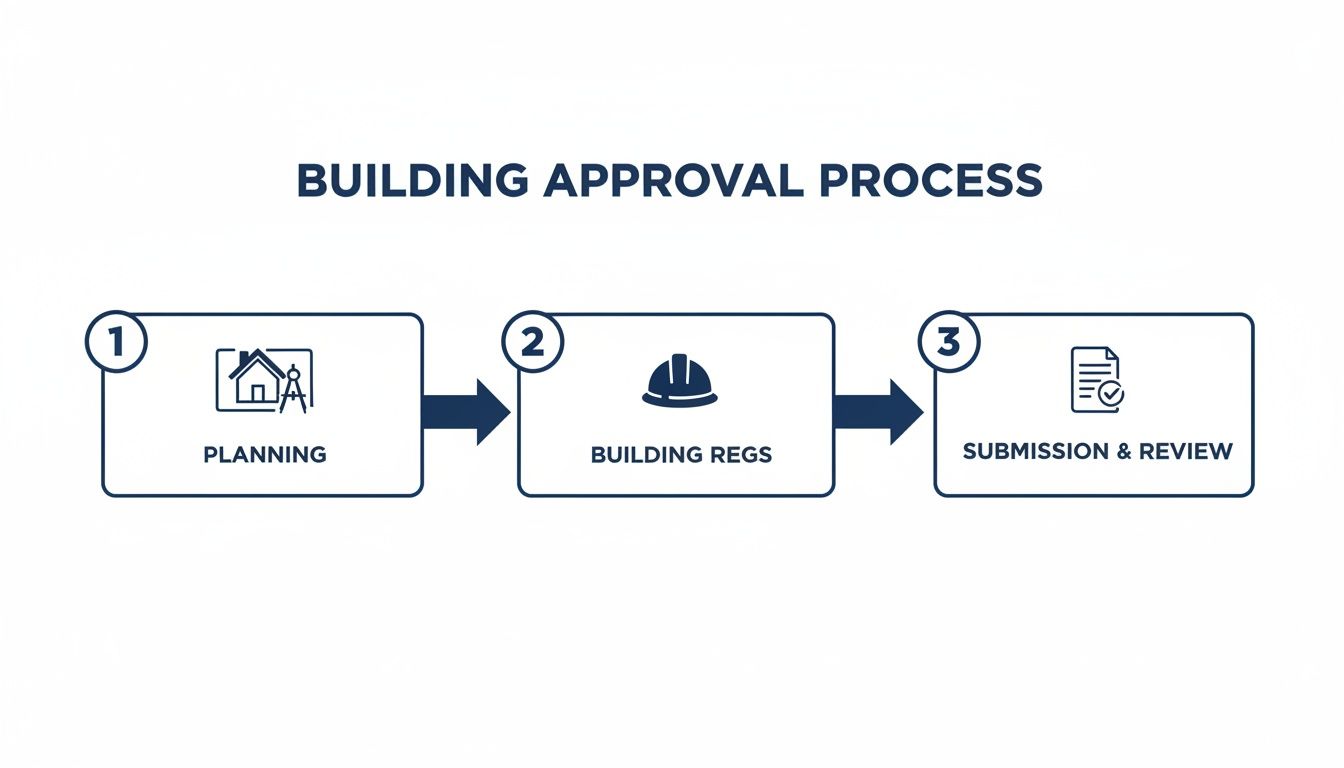
Following this process avoids the stress and expense of enforcement later.
Receiving A Formal Enforcement Notice
If the officer confirms the work does not comply, the council can issue a Section 36 enforcement notice. This is a legal document. It requires you to fix the problem within a set time, usually 28 days. It will clearly state what is wrong and what you must do.
Ignoring this notice is a criminal offence. The council can take you to court where you could face an unlimited fine. The court can also order you to do the required work.
Possible outcomes include:
Minor Fixes: You might need to make small changes, like upgrading insulation.
Major Remedial Work: This could involve expensive jobs, like digging up foundations for inspection.
Demolition Order: In the most serious cases, the court can order you to pull the whole thing down at your own cost.
Once an enforcement notice is served, the problem will not go away. You will be legally forced to spend whatever it takes to make the work compliant or remove it.
The New, Tougher Legal Landscape
The Grenfell Tower fire was a wake up call. It led to a complete overhaul of building safety laws. The government toughened the rules and gave councils more power. They extended the building regulations enforcement period from one year to 10 years. You can find more detail on this overview of UK building regulations.
This is part of the Building Safety Act 2022, which created a much stricter system. For homeowners, it means the risk of being caught with unapproved work lasts for a full decade. This makes getting that final completion certificate more important than ever.
The Real-World Risks Of Unapproved Work
Ignoring building regulations can lead to more than a letter from the council. You could face real financial and safety risks that affect your family and your home.
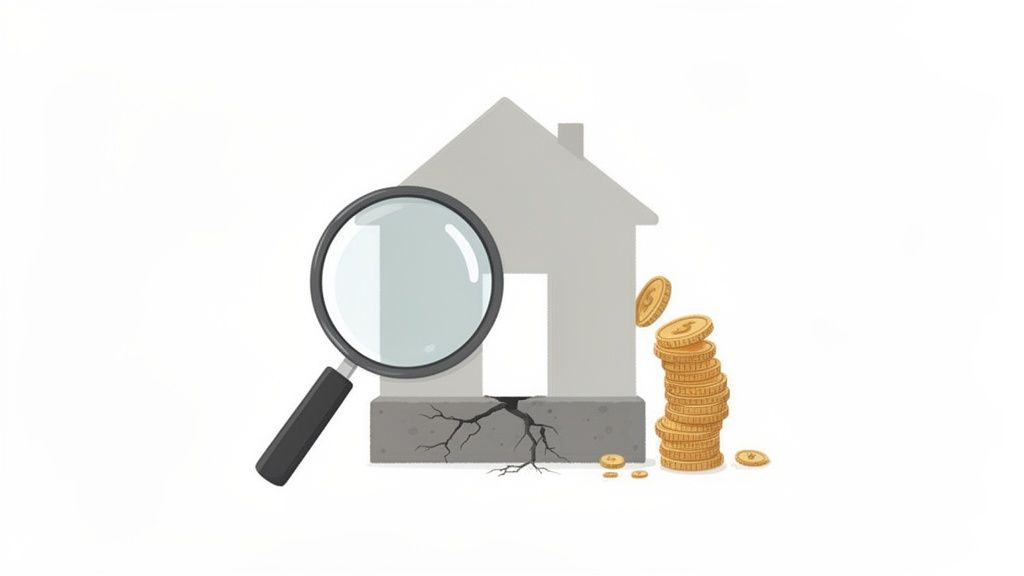
The most immediate danger is financial. If the council issues an enforcement notice, you are legally required to fix the problem. This means spending your own money to undo and redo work. It can easily cost thousands of pounds.
The Problem When You Try To Sell
A huge problem appears when you try to sell your home. A buyer’s solicitor will check for the correct paperwork for any changes. They will ask, "Where is the building regulations completion certificate?".
If it is missing, it is a red flag. No solicitor will advise their client to buy a property with potentially unsafe or illegal work. This single missing document can make your sale collapse.
Even if a buyer is still interested, they have huge negotiating power. You might be forced to accept a lower offer to reflect the risk they are taking on. You could lose £15,000 or more from your asking price.
Insurance And Safety: Your Biggest Concerns
The risks go beyond a failed property sale. Unapproved work can also affect your home insurance.
If a serious incident happens, like a fire, your insurer will investigate. If the problem is traced back to work that was never signed off, they could declare your policy void. This would leave you facing the cost of rebuilding all by yourself.
This is why building regulations matter. They exist to protect you and your family.
These rules ensure foundations are strong, the roof will not leak, and wiring will not cause a fire. Bypassing them means gambling with the safety of your home and the people inside it.
The building regulations enforcement period means this gamble lasts for a decade.
The Hidden Costs Of Non-Compliance
The financial drain does not stop at forced repairs. Consider other hidden costs:
Legal Fees: If you end up in a dispute with the council, legal costs can grow quickly.
Surveyor Costs: You may need to hire an engineer to assess the work and design a solution, adding hundreds or thousands to your bill.
Regularisation Fees: Applying for approval after the work is done has its own council fee. This can be higher than the original application cost.
The short term saving of avoiding the building control process is small compared to the long term financial and safety risks.
How To Make Unauthorised Building Work Legal
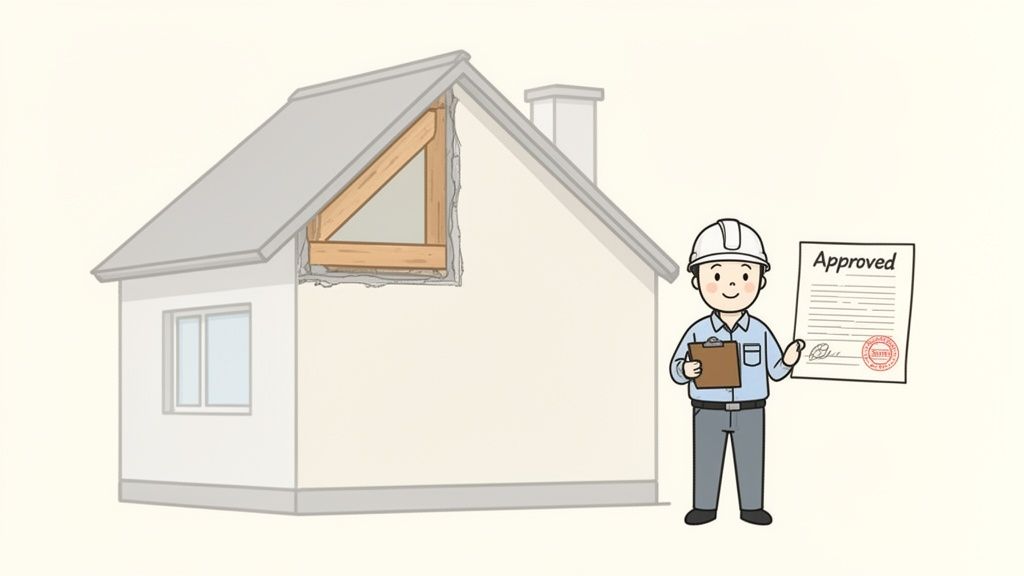
It is a bad feeling to discover work on your property was never signed off. Suddenly you are responsible for a problem you did not create. The fear of huge costs or a failed house sale can be overwhelming.
But do not panic. There is a way forward. You can make unauthorised work legal by applying for a regularisation certificate from your council. This is the formal process for getting approval for work that is already finished.
The Regularisation Process Explained
Think of regularisation as a delayed inspection. A building control surveyor will visit to check if the work meets the standards that were in place at the time of construction. This can be complicated and expensive.
Because the work is finished, the surveyor cannot see things like foundations or steelwork. To check them, you will have to expose parts of the structure at your own cost.
This could mean:
Digging trial holes next to an extension to inspect foundations.
Cutting into ceilings or walls to check steel beams.
Removing plasterboard to verify insulation.
You must fix any problems the surveyor finds before they will issue a certificate. The bill for this work lands with you, the current homeowner.
A regularisation certificate is the only official way to prove that older work is safe and compliant. It is often the only way to satisfy a buyer's solicitor and let a property sale go ahead.
Weighing Your Options and Costs
You have a few choices when faced with unauthorised work. Each has its own cost and risk. The regularisation route is the best solution for making your property safe and sellable.
The council sets the cost of a regularisation application. It can be much higher than the fee for an application made at the right time. For example, some councils charge 150% of the standard fee.
Here is a breakdown of your main options.
Your Options For Unauthorised Work
Action | What It Involves | Potential Cost | Best For |
|---|---|---|---|
Apply for Regularisation | Council inspects finished work. May require exposing foundations or structure. | Application fees (£300-£1000+) plus the cost of any remedial work. | Securing a permanent, official solution that makes the property safe and sellable. |
Buy Indemnity Insurance | A one-off policy that protects against council enforcement action. | A few hundred pounds. | Pushing a sale through quickly. It does not fix any safety issues or make the work compliant. |
Do Nothing | Ignoring the problem and hoping it is not discovered within the building regulations enforcement period. | Potentially thousands in forced repairs or a collapsed sale. | No one. This is a high-risk strategy that rarely pays off. |
Choosing regularisation is an investment in your property's safety and value. It solves the problem properly. You can see what regulations apply to your project with SurePlan's building regulations checker.
For years, many homeowners got away with unapproved building work. A casual attitude was common. Councils often did not have the resources to check every project. But relying on that old belief today is a dangerous trap. The game has changed.
The turning point was the Grenfell Tower fire. This disaster showed the fatal results of poor building standards. It put pressure on the government and local councils to get serious about building safety.
This led to the Building Safety Act 2022. This new law was designed to overhaul the system. A key part was extending the building regulations enforcement period to ten years. This gives councils much more power.
The End Of Patchy Enforcement
Building control in the UK has a history of being inconsistent. This is not a new problem. After the Great Fire of London in 1666, just three Surveyors were appointed to oversee the city's rebuild. By 1936, 60 local authorities had not adopted a single building rule. You can read more in this paper on the history of UK building standards.
The new law is designed to end this inconsistent oversight. Councils are now expected to enforce the rules properly for the full ten year period. What might have been overlooked in the past is now a primary focus.
The crucial takeaway is that the relaxed approach is over. The risk of getting caught is higher than ever. That risk now lasts for a full decade.
What Has Changed For You
This shift to a stricter culture has direct consequences for homeowners. The days of pleading ignorance or hoping the council will not notice are gone.
Here is what this new reality means:
Higher Scrutiny: Building control departments are now more likely to investigate potential problems. A neighbour's complaint is more likely to trigger an inspection.
Greater Accountability: You, the homeowner, are responsible for proving your project is compliant. The burden of proof is on you, not on the builder who may have disappeared.
Reduced Wiggle Room: The extended 10-year timeframe means there is almost no chance of a project "timing out". A problem found in year nine is just as serious as one found in year one.
The law now has sharper teeth. Compliance is an essential step to protect your family's safety and your home's value.
Frequently Asked Questions
Building regulations can be confusing. Here are straightforward answers to the most common questions homeowners have about enforcement.
Does The 10-Year Rule Apply To Old Work?
No, and this is a crucial point. The 10-year enforcement period is not retrospective.
For any building work finished before 1st October 2023, the old time limit of one year still applies. This makes proving the exact completion date of old work very important. Documents like final invoices from builders or dated photos of the finished project are excellent evidence.
What Is a Completion Certificate And Why Is It Important?
A completion certificate is the official document from your council’s building control department. It is your project's seal of approval. It confirms the work meets all relevant health and safety standards.
It is very important. When you sell your home, a buyer’s solicitor will ask for this certificate for any structural changes. Without it, they may advise their client that the work is unsafe. That can stop a sale or force you to accept a much lower offer.
Can I Use Indemnity Insurance Instead of Getting Approval?
You can, but it is a risky shortcut. An indemnity insurance policy protects you from the financial cost if the council takes enforcement action.
However, it does not fix the problem or confirm the work is safe. The policy becomes void if you contact the council about the issue. It is often used to push a property sale through, not as a real solution. It offers financial protection, not protection against a structural failure.
How Can I Check If a Property Has Approvals?
You can often find out yourself. Most local councils have online portals for their planning and building control records. You can search these databases by property address to see past applications and any issued certificates.
If the online records are incomplete, you can contact the building control department directly. When you are buying a property, your solicitor should always perform these checks.
Before you commit thousands to plans and builders, you need to know where you stand. The first step is often checking whether your idea is even possible. For just £49, SurePlan provides an evidence-based report that analyses real planning decisions in your area to give you clarity on your project's chances. Understand the red flags and likely outcomes before you spend a penny more. Get your Planning Confidence Report at getsureplan.co.uk.